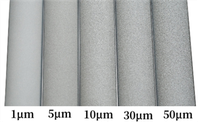


Chemical Vapor Deposition (CVD) coating technology stands as a cutting-edge method for enhancing the properties of titanium alloys. By converting chemical substances in gases into solid materials at high temperatures and low pressures, CVD forms coatings on titanium alloy surfaces. These coatings offer significant advantages including improved wear resistance, corrosion resistance, and thermal fatigue resistance, crucial for applications subject to high temperatures and mechanical stress.
In the realm of cutting tools, CVD-coated hard alloy tools exhibit lower wear rates and extended lifespans when milling titanium alloys at high speeds. This not only enhances tool durability but also reduces production costs and maintenance frequencies. Moreover, CVD technology finds application in the biomedical field, where coatings deposited on titanium alloy surfaces enhance biocompatibility, wear resistance, and corrosion resistance of biomedical implants.
The specific chemical reaction processes involved in titanium alloy CVD coatings are achieved through the CVD technique, a thin-film process depositing solid films on substrate surfaces via gas-phase chemical reactions. The preparation of titanium alloy CVD coatings typically involves precursor selection, introduction of precursor gases into the reaction chamber, surface-mediated reactions, and film deposition to form uniform titanium alloy films on substrates.
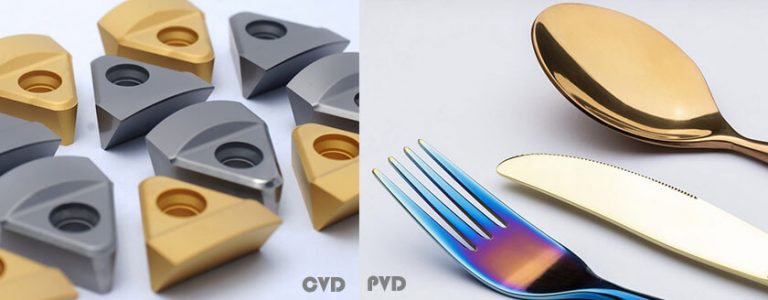

Comparing the advantages and disadvantages of CVD coatings against Physical Vapor Deposition (PVD) coatings reveals several key points. CVD coatings excel in step coverage, allowing uniform film deposition even on complex-shaped surfaces. They typically offer thicker coatings ranging from 10-20μm, compared to PVD coatings at 3-5μm, providing an advantage in applications requiring thicker protective layers. CVD technology is versatile, and applicable to various film depositions, including doped or undoped films.
However, CVD processes operate at high temperatures (800-1000°C), necessitating materials with good high-temperature resistance. In contrast, PVD processes at lower temperatures around 500°C are more suitable for coating precision tools. While PVD processes are considered environmentally friendly with low pollution and higher deposition rates than CVD, they may lack the step coverage and thickness control that CVD coatings offer.
In conclusion, titanium alloy CVD coating technology enhances the performance and applicability of titanium alloys across aerospace, biomedical, and industrial processing sectors. Its ability to provide exceptional wear resistance, corrosion resistance, and thermal stability underscores its significance in various industries, showcasing its pivotal role in advancing material capabilities and functionalities.