

Products
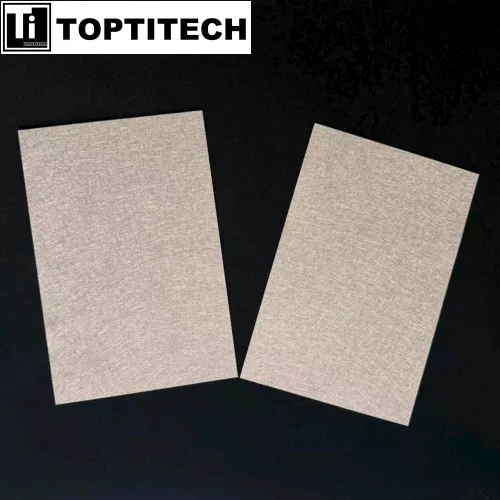




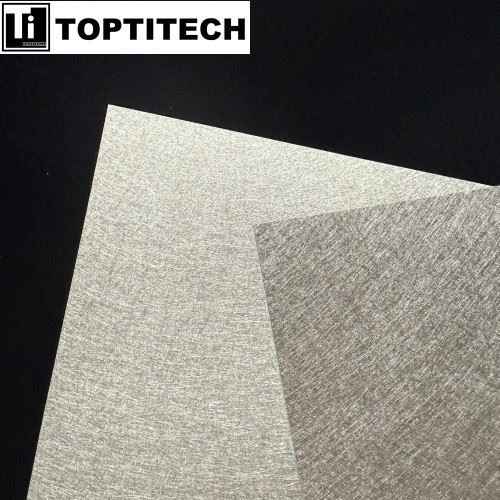
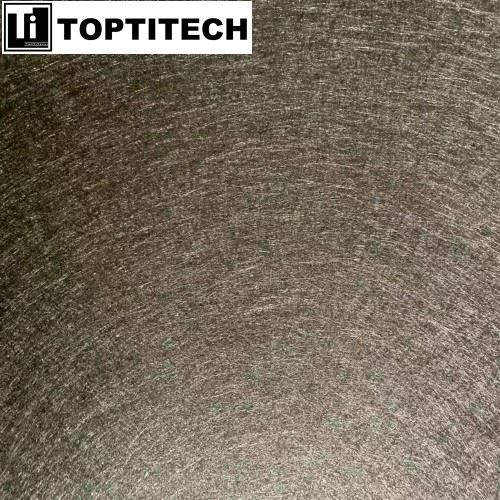

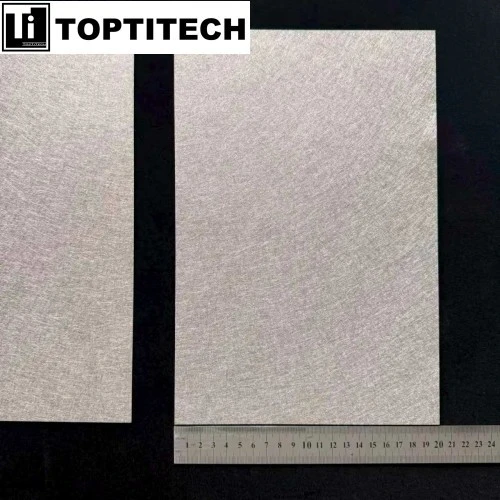
Sintered Nickel Fiber Felt GDL For AEM Electrolyzers
Continuous Metal Skeleton Through the Thickness
Flexible Conforming and Even Compression Load
Catalyst Layer Penetration and Multi-Point Interface Contact
Structure and Contact Stability on the Cathode Hydrogen Side
Fiber Skeleton Strength for Cutting, Plating and Assembly
Send Inquiry
Product Introduction
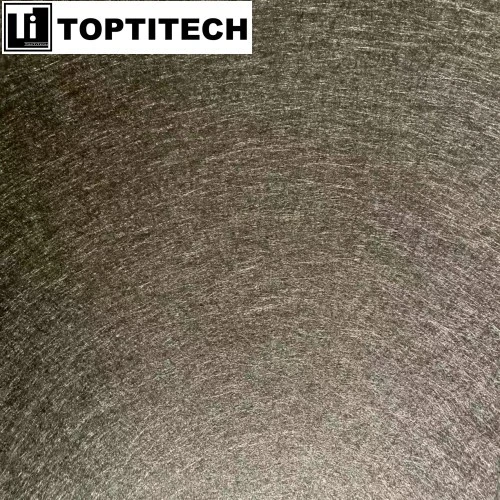
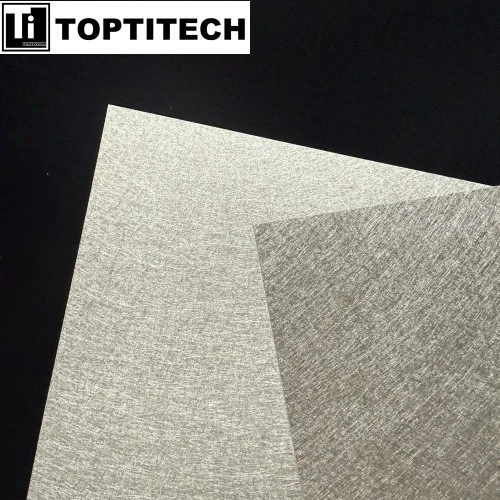
Nickel fiber felt starts with high-purity nickel fibers. Workers lay these fibers into a nonwoven mat. They use vacuum sintering to bond the fiber crossing points. This process turns the loose mat into a 3D conductive sheet. Its open porosity ranges from 70% to 80%. Pores run straight through the sheet from one side to the other. Hydrogen gas passes out easily. Electrolyte spreads evenly across the material surface. Sintered fiber bonds run through the full sheet thickness. These bonds carry electric current. They also take compression force from the stack. The material has a tensile strength of 5–8 MPa. This value is much higher than 0.1–1.5 MPa, the typical strength range of nickel foam. Our standard sheet size is 200 × 300 mm with 0.6 mm thickness. We cut other sizes to match customer drawings. We can provide quotes for custom metal plating with defined thickness, if buyers ask. Porosity, fiber diameter and sheet thickness are locked in during production. We select these parameters to match stack compression requirements. We also balance gas-liquid flow and contact resistance for the target operating current density.
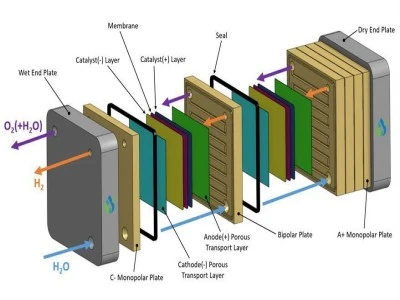
This felt sits on the cathode of an AEM water electrolyzer. The bipolar plate and catalyst layer hold the sheet in between, where it does double duty as both gas diffusion and porous transport medium. It has three core tasks in this location. First, it transfers current from the bipolar plate to the catalyst layer. Second, it removes hydrogen through the pores across its thickness. Third, it distributes stack compression force. This force keeps steady pressure on the membrane electrode assembly. Hydrogen bubbles move out through these open pores. Linked pore channels carry bubbles away from the catalyst surface. Catalyst and ionomer enter gaps inside the fiber network. They touch nickel fibers at many points across the material thickness. This contact lowers interfacial resistance. The pore structure and contact resistance stay stable in concentrated KOH or standard AEM electrolyte. The test current density sits at 1–2 A/cm². The material keeps steady performance during running, shutdown and restart cycles. Carbon diffusion layers break down from oxidation at high anode voltage. Stiff nickel foam changes shape after repeated compression. It contains no carbon on the hydrogen cathode side. It avoids both of these two failure issues.
Products Specifications

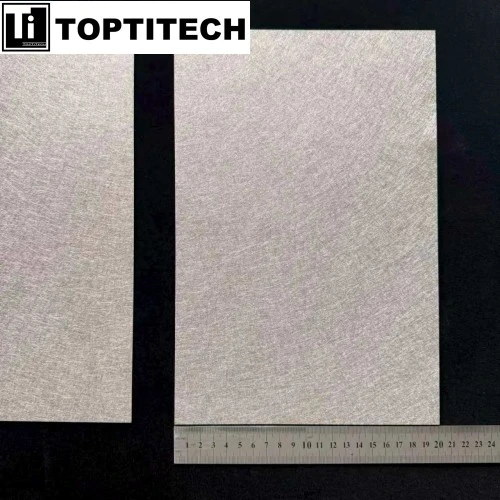

|
Product |
Sintered nickel fiber felt |
|
Standard sheet size |
200 × 300 mm |
|
Thickness |
0.6 mm |
|
Porosity |
70–80% |
|
Custom sizes |
Cut to drawing on request |
|
Surface plating |
Optional, plated per specification |
|
Typical duty |
Cathode GDL / PTL, electrode substrate |
Products Features
Through-Thickness Pores Handle Two-Phase Flow
Pores run straight from one side of the felt to the other. Hydrogen takes the shortest route out. This setup cuts bubble buildup and related overpotential at 1–2 A/cm². Electrolyte wets the inner pore walls at the same time. The three-phase reaction zone stays active across the whole felt thickness. Its 70–80% open porosity separates gas removal and liquid flow into independent channels.
Continuous Metal Skeleton Through the Thickness
Vacuum sintering locks crossed fiber points together. These bonded points form a metal path that runs the full depth of the sheet. Through-plane resistance depends on these sintered joints. Extra compression does not create this conductive path. Stack compression sits between 10% and 30% during assembly. More fiber contact points form under this pressure. The interface between bipolar plate, felt and catalyst layer keeps low resistance after repeated assembly. The 0.6 mm sheet thickness keeps the conductive path short.

Flexible Conforming and Even Compression Load
The felt bends to match uneven surfaces of clamped plates. Compression force spreads evenly across the full 200 × 300 mm working area. Hard perforated plates often create local high current spots at low surface areas. This material removes that problem. Internal support fibers run through the thickness. They apply steady pressure on the membrane electrode assembly. They lower the chance of areas with too much or too little compression.
Catalyst Layer Penetration and Multi-Point Interface Contact
Catalyst layers can enter the fiber network. Common methods include electrodeposition, spraying or plating. Catalyst touches fiber surfaces at many points across the sheet thickness. The reaction zone is not limited to one flat boundary between felt and catalyst. Total contact area rises. Interfacial resistance drops. The attached catalyst stays firmly in place. It does not peel off during cell shutdown and restart.
Structure and Contact Stability on the Cathode Hydrogen Side
The fiber network uses pure nickel material. It works in concentrated KOH or standard AEM electrolyte at 1–2 A/cm². Its pore shape and contact resistance stay stable. The material handles repeated running, shutdown and restart cycles. Carbon diffusion layers oxidize under high anode voltage. Hard nickel foam changes shape after repeated compression. This nickel fiber felt avoids both of these issues.
Fiber Skeleton Strength for Cutting, Plating and Assembly
This felt has tensile strength from 5 to 8 MPa. Standard nickel foam only reaches 0.1–1.5 MPa. The sheet resists tears and loose fiber loss. It stays intact during cutting, plating pre-treatment and stack tightening. We cut sheets to match customer drawings. Custom plating with selected metal and target thickness is available. This option fits special sizes and large-batch assembly work.
Product Applications
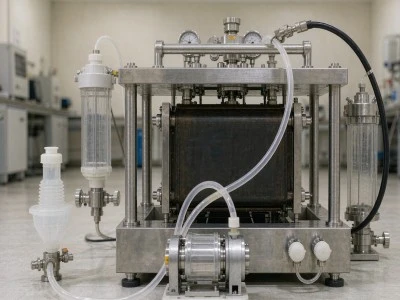
Cathode GDL for AEM Water Electrolyzers
This nickel fiber felt goes right between the cathode catalyst layer and bipolar plate. It contacts AEM electrolyte directly. Nickel handles alkaline conditions well, matching what the membrane sees. You won't need extra anti-corrosion coating here. It moves current, vents hydrogen, and takes stack compression all in one spot.
Three-Dimensional Electrode Substrate for Alkaline Water Electrolyzers
We use this felt as a 3D electrode substrate in KOH setups. You can load Raney nickel, NiMo or NiFe catalysts inside its pore network. Reactions happen inside the whole sheet, not just the outer surface. It works well for alkaline stacks built around 3D electrodes. It can double as the stack's current collector too.
Diffusion Layer for Anion Exchange Membrane Fuel Cells
This felt works as a diffusion layer inside AEM fuel cells. Fuel reaches the catalyst layer by way of the sheet's pores. It also pulls out water made during operation. It keeps its shape under clamping pressure over time. The nickel fiber structure stays stable in alkaline fuel cell environments.
Working Electrode for Electrolysis Flow Cells
CO₂ reduction, nitrate reduction and organic electrosynthesis all need an alkali-proof porous cathode. We cut the felt to match your flow cell fixture size. It can be used straight as a working electrode for lab flow tests. Researchers mostly use it to screen catalysts and run short performance checks.
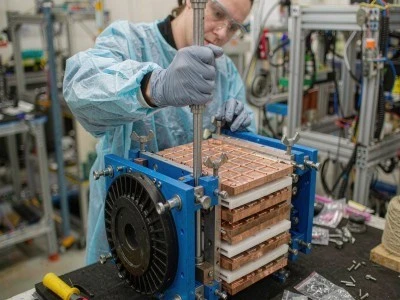
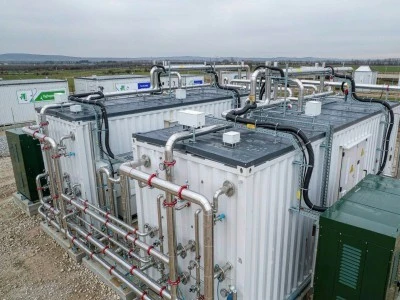
Anode-Side Oxygen Evolution Support Layer for Alkaline Electrolyzers
Fit this felt on the anode side of KOH electrolyzers. It acts as porous backing and current collector for the oxygen evolution catalyst. Open through-pores let electrolyte reach the catalyst and carry oxygen away fast. The sintered nickel skeleton holds up under regular anode potential.
Flexible Contact Layer in Stack Assembly
Lay this felt between the bipolar plate and catalyst layer. This soft fiber mat bends to follow uneven plate surfaces. Clamping pressure spreads evenly across the whole active area. Every part of the MEA gets consistent pressure. Hard perforated plates often create local current hotspots. This fiber felt prevents that.
Common Problem
Where does this nickel felt go in an AEM electrolyzer, and what does it do there?
This nickel felt installs on the cathode side. It sits between the cathode catalyst layer and the bipolar plate. Electric current travels through the felt. Hydrogen moves out through its pores. Stack compression transfers to the membrane electrode assembly via this material. Hydrogen bubbles leave the catalyst surface through these straight through-pores. Bubbles do not get trapped inside the felt. Electrolyte coats the inner pore walls. The three-phase reaction zone stays active across the full felt thickness.
With 70–80% open porosity, is the sheet strong enough to survive assembly without tearing or shedding?
Sintered fiber joints give the sheet its strength. High porosity does not reduce this mechanical performance. Its tensile strength hits 5–8 MPa. Regular nickel foam only reaches 0.1–1.5 MPa. The sheet stays whole during custom cutting, plating preparation and stack tightening. This reliability works well for custom sizes and mass assembly.
What separates through-thickness pores from open porosity, and what does that mean for gas removal?
Open porosity only calculates the total pore volume. Pore connectivity is a different property. The pores on this felt run all the way from one surface to the other. Gas flows straight through these linked channels. Gas will not get stuck inside the material. This feature cuts bubble buildup and keeps overpotential low at 1–2 A/cm².
Can it handle the anode side, or long service in concentrated KOH?
This nickel felt is built for the cathode hydrogen side. The pure nickel skeleton works in concentrated KOH and AEM electrolyte. Its pore shape and contact resistance stay stable during run cycles, shutdown and restart. It will not oxidize like carbon materials. The anode works at high potential with oxygen evolution. You need separate testing to confirm long-term use here.
Contact us

Tel: 0917-3873009

Phone: +86 18992731201

Email: zhangjixia@bjygti.com

Fax: 0917-3873009

Address: No. 195, Gaoxin Avenue, High-tech Development Zone, Baoji City, Shaanxi, China

Whatsapp: +86 18992731201
Hot Tags: sintered nickel fiber felt gdl for aem electrolyzers, China, suppliers, manufacturers, customized, usage, pricelist, for sale, in stock, free sample, porous material, Pure NI200 Nickel Foil, pure nickel alloy tube, Pure Tungsten Boat, sintered wire mesh filter, Stainless steel plain weave sintered wire mesh, Super Smooth Tungsten Crucible
Send Inquiry
You Might Also Like
-
![0.2mm Thickness Sintered SS316L Fiber Felt For AEM Electrolyzer]() 0.2mm Thickness Sintered SS316L Fiber Felt For AEM Electr...view more>
-
![2um SUS304 Sintered Multilayer Wire Mesh Filter Element ]() 2um SUS304 Sintered Multilayer Wire Mesh Filter Element view more>
-
![Sintered SUS316L Wire Mesh Filter Tube With Perforated Support Layer]() Sintered SUS316L Wire Mesh Filter Tube With Perforated Su...view more>
-
![Stainless Steel Mesh Filter With Various Interface]() Stainless Steel Mesh Filter With Various Interfaceview more>
-
![Multi-layer Metal Sintered Mesh Filter Element]() Multi-layer Metal Sintered Mesh Filter Elementview more>
-
![Ni201 Pure Nickel Bar]() Ni201 Pure Nickel Barview more>


