

Drilling processes in titanium alloy machining have always presented technical challenges due to the unique physical properties of titanium alloys. In this article, we will explore the key challenges faced during titanium alloy drilling and discuss innovative solutions to overcome them. From selecting the right drill bits to addressing chip evacuation issues, we will delve into effective strategies for efficient and high-quality drilling in titanium alloys.
Optimal Drill Bit Selection
Choosing suitable drill bit materials is crucial for drilling titanium alloys. Common options include high-speed steel and hard alloys, known for their high hardness and wear resistance, which can withstand the hardness and abrasiveness of titanium alloys.
Drill Bit Design
Careful consideration should be given to the design of drill bits for titanium alloy drilling. Optimal designs with double angles, such as 118° or 90°, effectively break the chips, making them easier to evacuate and improving drilling efficiency.
Chip Evacuation
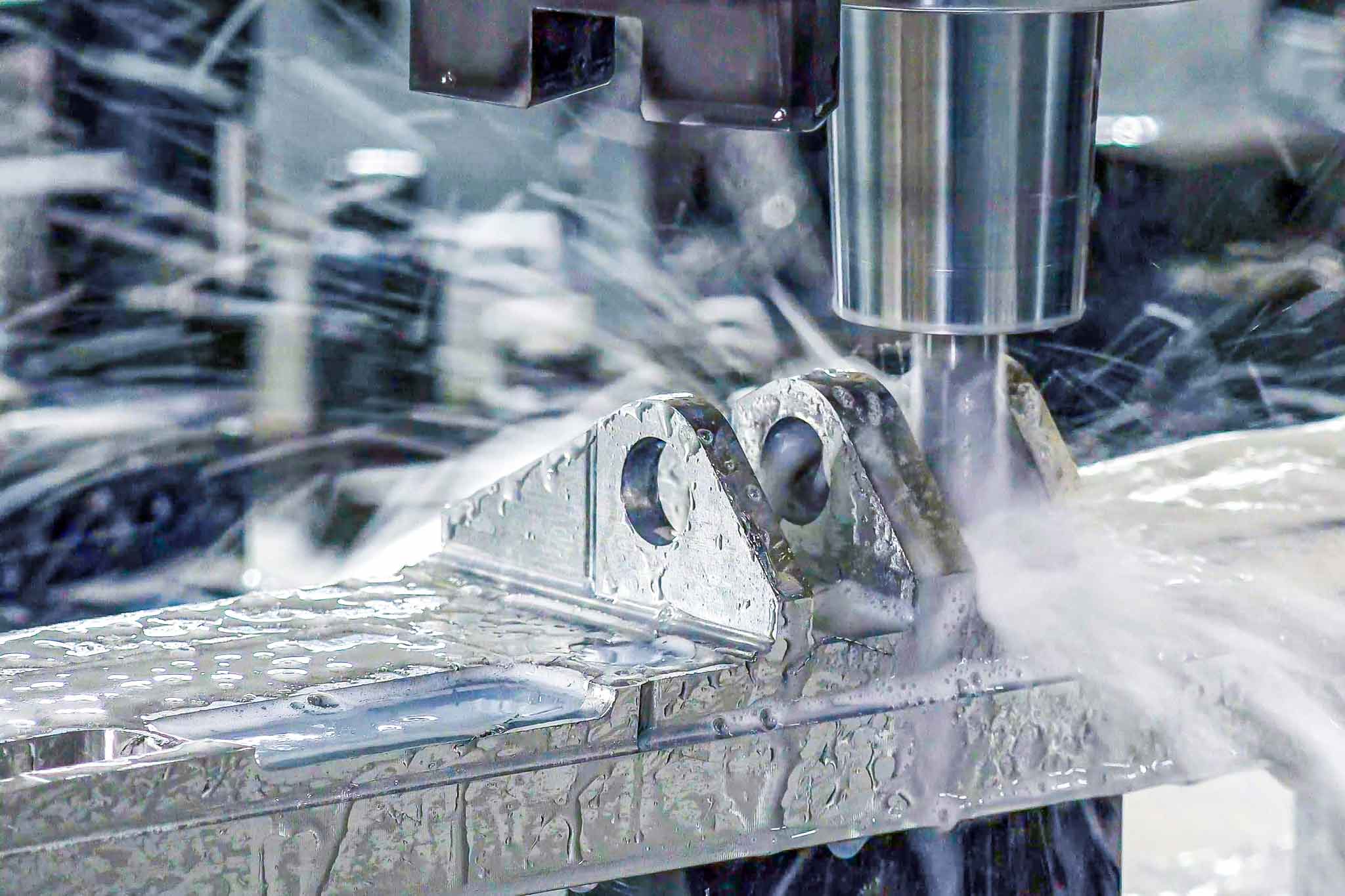
Chip evacuation is a critical consideration during the drilling process. If chips are not promptly removed, drill bits can become stuck, break, or become adhesive, hindering the entire drilling process. Proper chip evacuation techniques must be employed, such as optimizing cooling fluids, feed rates, and speeds.

Mitigating Adhesion and Tool Wear
High temperatures and pressure during drilling create strong adhesion between titanium alloys and cutting tools, leading to rapid tool wear and potential issues such as non-circular holes, deviation, or uneven hole perimeters. These problems can further compound during subsequent threading processes or result in broken taps within the holes.
To address this, the following measures can be taken:
Use short and sharp drill bits to reduce contact area and mitigate adhesion.
Apply sufficient cooling fluids in the cutting zone to lower temperatures and reduce tool wear.
Implement low-speed forced feed and sturdy workpiece support to ensure stability and accuracy during drilling.
Surface Finish and Burr Formation
To prevent burr formation at the exit point, fine adjustments and control of drill bits are crucial to ensure smooth drilling. For thicker workpieces, heavy-duty short-length machine drills are recommended, while for deep-hole drilling, oil-supply drills or a series of short-length drills with varying lengths can be used. Throughout the drilling process, maintaining a low and consistent drilling speed is vital.
Careful Hole Penetration
Before the actual installation,we will communicate with the customer to understand the installation needs and requirements,and develop the insta..
Adequate Coolant Usage
Sufficient coolant should be used to carry away chips. Regular removal of chips is necessary if coolant is insufficient or chip accumulation becomes excessive, ensuring the drill bit remains in optimal working condition.