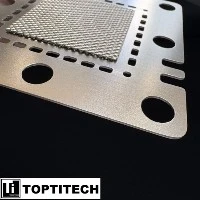

When selecting the filtration precision of a filter element, it is important to find the right balance. Higher precision is not always better, and lower precision is not necessarily preferable either. The appropriate filtration precision should be chosen based on the specific working conditions at hand. This ensures optimal filtration effectiveness and better protection for the equipment.
Allowing larger impurity particles to enter the system can lead to increased wear on the fuel injection nozzle or even blockage, affecting the fuel system. In the case of a lubrication system, it can result in increased wear on components such as the crankshaft, piston, and cylinder block, consequently reducing the engine's lifespan.
In the intake system, the entry of large particles into the combustion chamber and cylinder block intensifies engine wear. Similarly, for hydraulic systems, it exacerbates the wear on the oil cylinder and hydraulic valve, compromising the system's performance and leading to severe valve sticking.
At TopTiTech, we advise considering the following factors:
Filtration efficiency: Higher filtration precision in a stainless steel filter element improves impurity interception during filtration and enhances fluid cleanliness. However, this must be evaluated in light of specific requirements and working conditions.
System operation and maintenance: If the filter element's size and filtration area are limited, excessively high filtration precision may not be necessary to meet system needs while maintaining adequate flow. Overly high precision can result in insufficient flow, causing operational issues.
Application-specific considerations: Certain applications, like alcohol or fruit juice drinks, require high filtration precision. However, excessively high precision can filter out substances beneficial to the human body, affecting taste and nutritional quality. Balancing filtration precision with the specific application is crucial.
Now let's take a look at the vacuum pump filter element:
The filtration accuracy of the vacuum pump filter element significantly impacts filtration effectiveness. The accuracy primarily depends on the quality of the glass fiber filter paper used. A filter with excellent accuracy can capture smaller oil mist particles and remove more impurities, thereby improving vacuum pump performance and saving oil.
Typically, the vacuum pump filter element should capture oil mist particles as small as 0.3 microns. However, higher accuracy is not always better. If the filter element's accuracy is excessively high, it can lead to increased exhaust resistance. Conversely, if the accuracy is too low, the desired filtering effect will not be achieved. Striking the right balance is crucial for optimal vacuum pump performance.
By considering these factors, you can make informed decisions when selecting the filtration precision for different types of filter elements.