

Titanium alloys are widely used in various industries, including aerospace, medical devices, and chemical engineering, making them one of the most commonly used metallic materials. The forging of titanium alloys requires strict adherence to quality standards due to their high demand. The choice of cooling method during titanium alloy forging plays a crucial role in determining the quality of the forged parts.
Natural Cooling
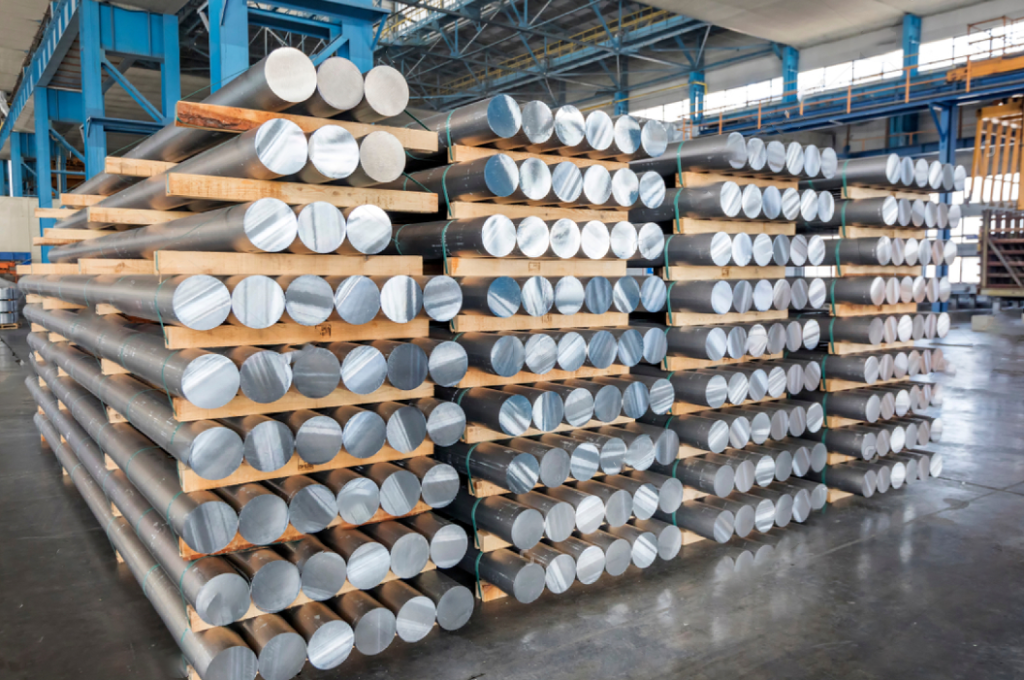
Natural cooling is a simple and commonly used method. After the forging process, titanium alloy components are left to cool gradually in ambient air, utilizing natural convection and radiation heat dissipation. The advantages of this method are its simplicity and the absence of additional equipment and energy consumption. However, the slow cooling rate associated with natural cooling can result in uneven internal microstructure, potentially impacting the performance of the final product.
Forced Air Cooling
Forced air cooling involves the use of fans or blowers to accelerate the cooling of titanium alloy forgings. This method effectively reduces the temperature of the components, minimizing thermal stress and enhancing product performance. However, it is important to control the cooling rate and distance between the forging and the airflow properly to avoid surface oxidation and hardening phenomena.


Water Quenching
Water quenching is a rapid and efficient cooling method. By immersing titanium alloy forgings in water, their temperature can be rapidly decreased, resulting in higher strength and hardness. Nonetheless, water quenching also poses the risk of cracking and distortion, necessitating careful control of the cooling rate and temperature gradient during the process.
Oil Quenching
Oil quenching involves cooling the forged titanium alloy components in oil at a specific temperature. Compared to water quenching, oil quenching offers a slower cooling rate, reducing the risk of cracking. Additionally, it can improve the surface quality of the forgings to some extent. However, strict control of the oil temperature is crucial to prevent defects caused by excessively high oil temperatures.

Vacuum Cooling
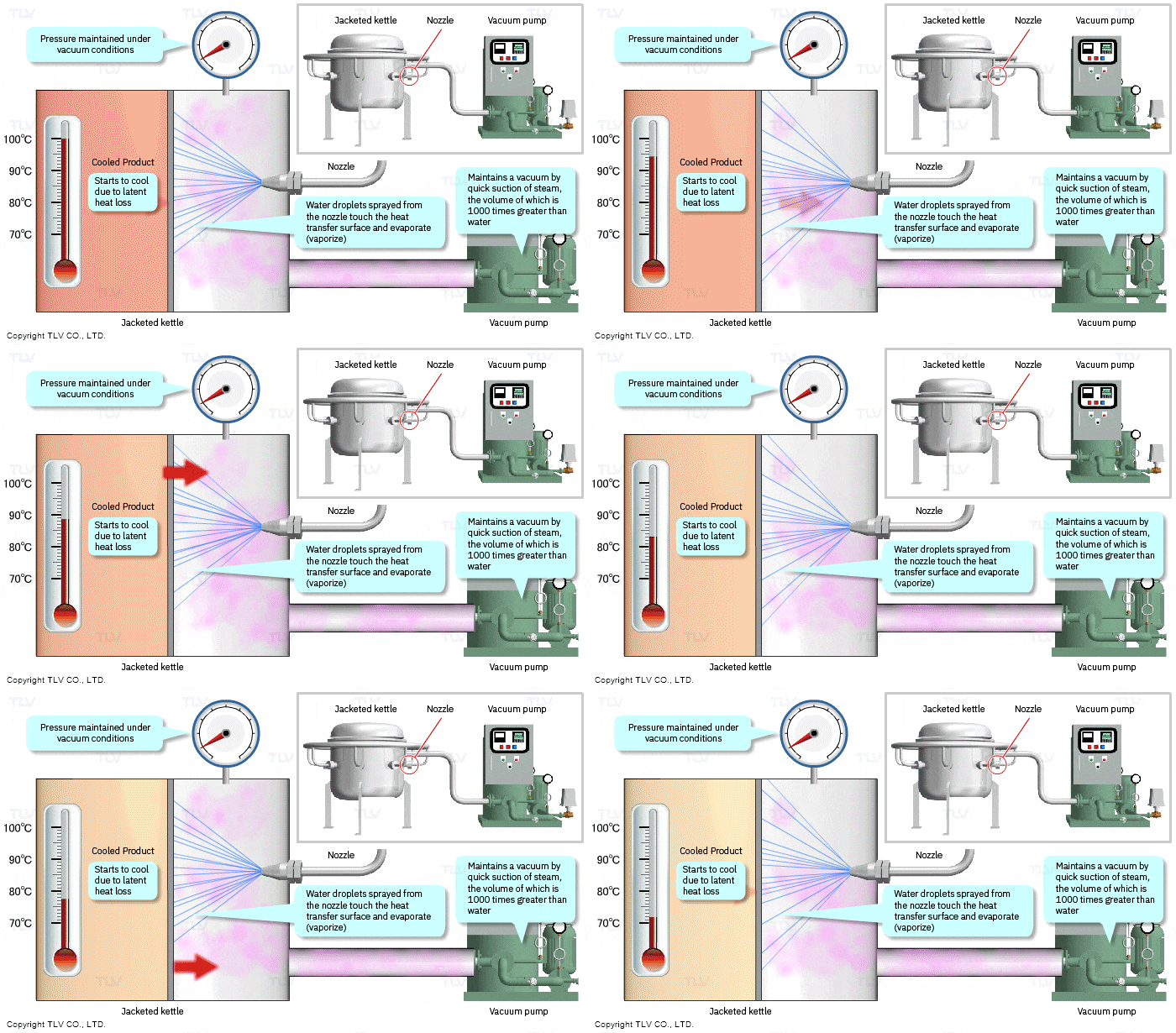
Vacuum cooling entails cooling the titanium alloy forgings in a vacuum environment. The high thermal conductivity of the vacuum accelerates the cooling rate. Moreover, the absence of oxygen and contaminants in the vacuum environment helps maintain the purity and performance of the product. However, vacuum cooling equipment is relatively expensive, and the operation is more complex, requiring careful consideration in practical applications.


