
The rapid advancement of 3D printing and biocompatible materials has revolutionized the hearing aid industry, with titanium alloy emerging as a game-changer in the development of custom hearing aids. Titanium's exceptional properties, including high strength-to-weight ratio, biocompatibility, and corrosion resistance, make it an ideal material for crafting hearing aid shells. Unlike traditional materials, titanium alloy ensures durability, comfort, and long-term safety for users, particularly those with sensitive skin or allergies. Its low density allows for lightweight designs that reduce wearer fatigue, while its ability to withstand mechanical stress ensures the device maintains its structural integrity over time.
The manufacturing process of titanium alloy custom hearing aids begins with precise ear canal modeling. Using advanced 3D scanning technology or traditional ear mold casting, audiologists capture the unique geometry of the user's ear canal. This data is then processed through CAD software to create a customized shell design that optimizes fit, comfort, and acoustic performance. For patients with complex ear anatomy, such as post-surgical reconstruction cases, medical imaging techniques like CT scans can be employed to generate highly accurate 3D models. This level of customization ensures a perfect seal, which is critical for sound amplification and feedback reduction.
Selective Laser Melting (SLM), a cutting-edge additive manufacturing technique, is employed to fabricate titanium hearing aid shells. This process involves layer-by-layer fusion of medical-grade titanium powder using a high-energy laser beam. SLM not only ensures precise replication of the CAD design but also produces a dense, pore-free structure that enhances the shell's mechanical properties. Post-printing, the shells undergo surface finishing processes such as polishing to achieve a smooth, hypoallergenic surface that minimizes irritation during prolonged use. The use of titanium in this process guarantees a product that is both robust and biocompatible, meeting the stringent requirements of medical device standards.

Acoustic performance testing is a critical phase in the production of titanium alloy hearing aids. Advanced tools like real-ear analyzers and coupler-based measurement systems are used to evaluate the device's sound amplification, frequency response, and noise reduction capabilities. Pure-tone audiometry and impedance testing are conducted in soundproof environments to ensure the hearing aid meets the user's specific auditory needs. These tests, combined with professional fitting and calibration, guarantee optimal performance across various listening environments, from quiet rooms to noisy public spaces.
Maintenance of titanium alloy hearing aids is straightforward yet essential for ensuring longevity and performance. Regular cleaning with specialized tools, such as magnetic brushes, prevents earwax buildup and maintains acoustic clarity. Moisture control is equally important; the use of desiccant drying boxes helps preserve the internal electronics and prevents corrosion of metal components. Additionally, periodic professional adjustments are recommended to adapt the device to any changes in the user's hearing profile, ensuring consistent auditory support.
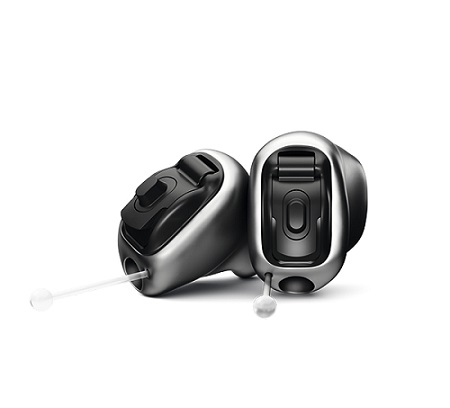
In conclusion, the integration of titanium alloy in custom hearing aids represents a significant leap forward in audiological technology. Its superior material properties, combined with advanced manufacturing techniques like SLM, enable the creation of highly personalized, durable, and comfortable hearing solutions. As the industry continues to innovate, titanium alloy is poised to play an even greater role in enhancing the quality of life for individuals with hearing impairments, setting new standards for performance and user satisfaction in the field of hearing healthcare.