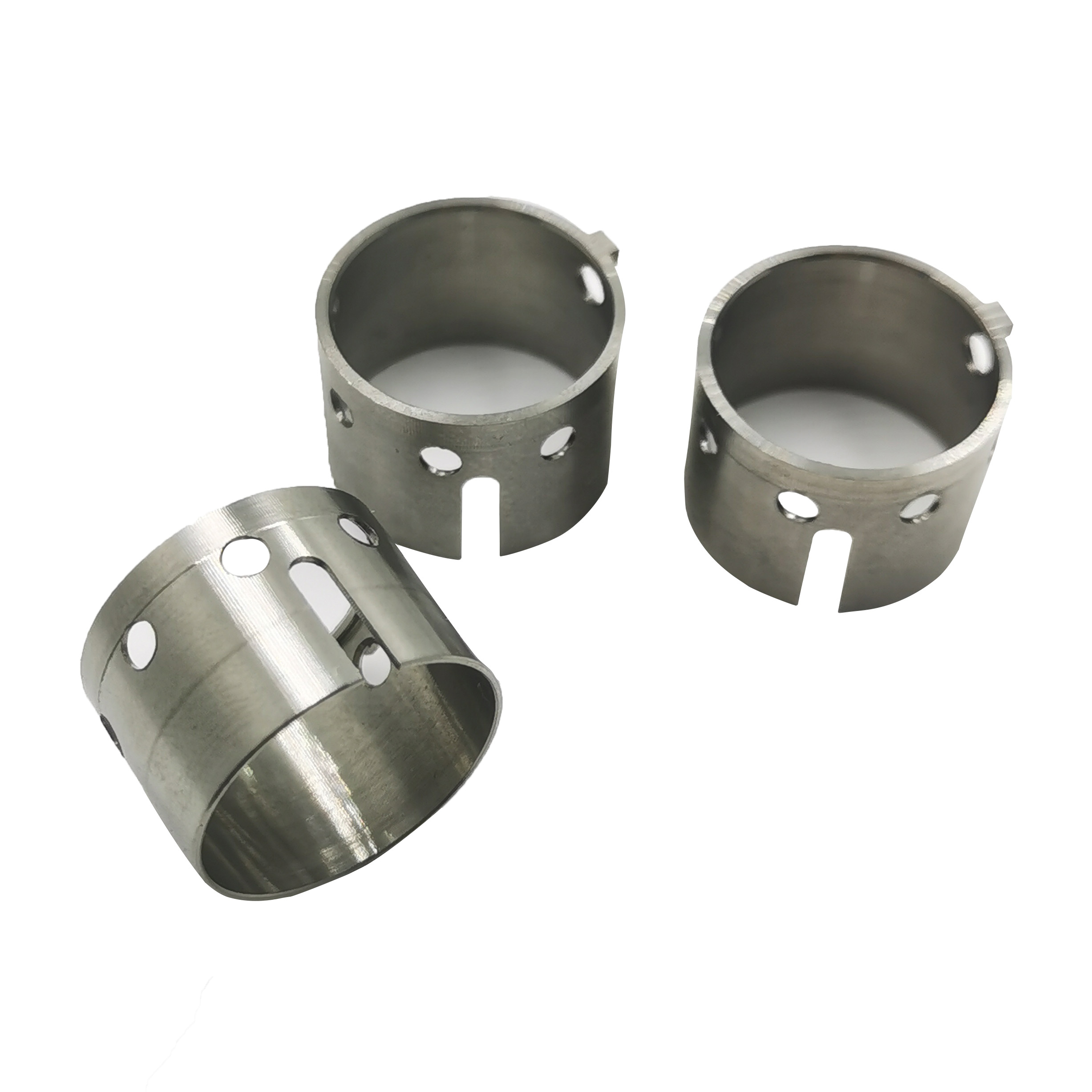


This article delves into the analysis and machining process of titanium alloy thin-walled cavity components. These components feature a visually appealing large curved surface design, with a uniform wall thickness of 2mm and 6mm thick shoulders at both ends. Achieving a seamless seal between the cover plate and the housing necessitates meticulous attention to detail, including a focus on precision and professionalism throughout the machining process.
The machining of titanium alloy thin-walled cavity components presents specific challenges that require careful consideration
Vibration Concerns
Due to the high hardness and poor thermal conductivity of titanium alloys, vibrations can arise during machining, negatively impacting accuracy and surface quality.
Deformation Risks
Thin-walled structures are prone to deformation during the machining process, mandating the implementation of suitable machining techniques and fixture designs to mitigate this issue effectively.
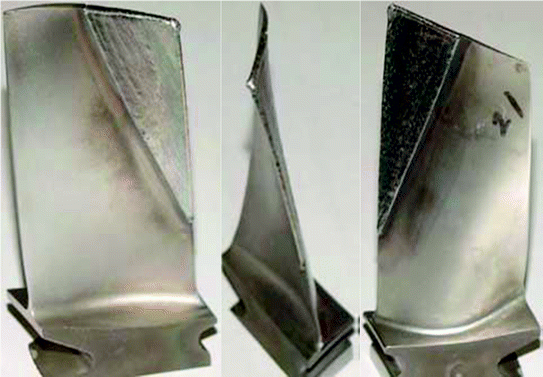
To overcome these challenges and achieve optimal results, the following key machining steps are recommended:
- Convex Cavity Machining:
Utilize a four-flute end mill with a higher cobalt content for rough milling, ensuring sufficient cutting fluid for extended tool life. For precision milling, employ a polycrystalline cubic boron nitride ball-end mill, utilizing a streamlined surface machining method to keep errors within 0.012mm.
- Concave Cavity Machining:
Precise alignment between the cover component and fixtures is crucial to mitigate vibration and minimize deformation. After rough machining, perform natural relaxation treatment to release internal stress and prevent deformation. During precision machining, ensure multiple exchanges of contact surfaces between the cover component and fixtures to maintain accurate positioning.
- Mounting Surface Precision Machining:
Select appropriate reference planes and clamping surfaces for precise positioning. Initiate with precision milling, followed by grinding and polishing. Continuous monitoring and inspection throughout the process ensure that the mounting surface achieves the required flatness and surface quality.