
 A fuel cell is an electrochemical device that uses fuel (typically hydrogen) and oxygen to generate electricity and heat. Unlike traditional engines, they achieve this without the need for fuel combustion, making them typically cleaner and more efficient.
Fuel cells generate electricity through an electrochemical reaction where oxygen and a hydrogen-rich fuel combine to form water. Unlike internal combustion engines, the fuel is not burned but rather releases energy through electrocatalysis. This high energy efficiency is achieved, especially if the heat generated by the reaction is also utilized for space heating, hot water, or driving a cooling cycle.
Fuel cells, like batteries, convert chemical potential energy into electrical energy through electrochemical reactions. Both batteries and fuel cells convert this energy while producing heat as a byproduct. However, batteries store enclosed energy internally, and once depleted, they must be discarded or recharged by using an external power source to drive the reverse electrochemical reaction. On the other hand, fuel cells use externally supplied chemical energy and can operate indefinitely as long as a hydrogen source and an oxygen source (typically air) are provided.
Gas diffusion layers and bipolar plates are important components in fuel cells, playing a crucial role in their operation.
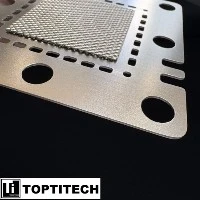
The gas diffusion layer is positioned between the cathode and anode electrodes, aiding in the uniform distribution and transfer of gases. It is typically made of a porous titanium plate with high gas permeability and suitable electrical conductivity. The porous titanium plate provides numerous channels for hydrogen and oxygen to flow evenly across the electrode surface. Additionally, the gas diffusion layer is coated with a platinum catalyst to facilitate the electrochemical reaction between hydrogen and oxygen.
Bipolar plates are located on both sides of the gas diffusion layer and serve as support and connection structures. They are usually made of conductive materials such as carbon fiber composites or metals. Bipolar plates are also coated with a platinum catalyst to promote electrochemical reactions. The design and manufacturing quality of bipolar plates are crucial for the performance and lifespan of the fuel cell.
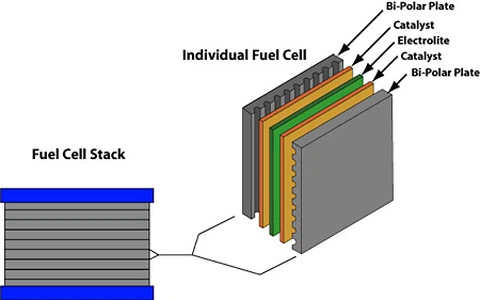
In a fuel cell, the combination of gas diffusion layers and bipolar plates plays a critical role. The gas diffusion layer provides uniform gas distribution and transfer, enabling the fuel cell to efficiently utilize the fuel. The porous titanium plate structure allows gases to flow evenly across the entire electrode surface, increasing the active reaction area. The platinum catalyst coating on the gas diffusion layer and bipolar plates facilitates the electrochemical reaction between hydrogen and oxygen, resulting in the generation of electric current.
As a manufacturer of fuel cell components, such as gas diffusion layers and bipolar plates, TOPTITECH produces high-quality products to ensure the performance and reliability of fuel cells. By utilizing porous titanium plates and platinum catalyst coatings, TOPTITECH's products help improve the efficiency of fuel cells and ensure their long-term stable operation.