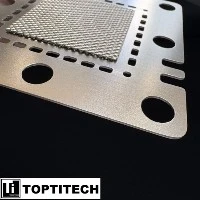

Wire mesh is a versatile material utilized in various industries due to its strength and durability. The welding process is crucial in fabricating wire mesh, ensuring its structural integrity. In this article, we will delve into the different methods used for welding wire mesh, including spot/resistance welding, tungsten inert gas (TIG) welding, plasma welding, and soldering.
Spot/Resistance Welding:
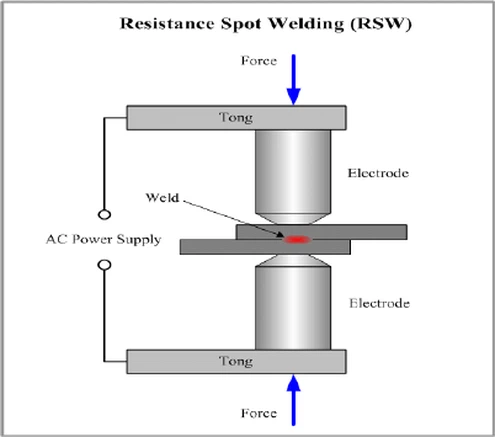
Spot welding, also known as resistance welding, is a widely employed technique for joining wire mesh. This method involves applying pressure and an electric current to specific points where the wires intersect. The electric current passes through the wires, generating heat that melts the metal at the contact points. As the metal cools, it solidifies, forming a strong bond between the wires. Spot welding is highly efficient, making it suitable for mass production of wire mesh.
Tungsten Inert Gas (TIG) Welding:

TIG welding, or gas tungsten arc welding (GTAW), is another popular method for welding wire mesh. It employs a non-consumable tungsten electrode and an inert gas, typically argon, to shield the welding area from atmospheric contaminants. The tungsten electrode produces an electric arc that heats the wires, causing them to melt. As the molten metal cools, it solidifies, creating a strong joint. TIG welding offers precise control over the welding process, making it suitable for intricate wire mesh designs.
Plasma Welding:

Plasma welding is a versatile technique used for welding various materials, including wire mesh. This method utilizes a highly ionized gas, known as plasma, to generate an intense heat source. The plasma arc melts the wires at the welding point, and as the metal solidifies, it forms a robust bond. Plasma welding provides excellent control over the heat input and allows for high welding speeds, making it suitable for large-scale wire mesh production.
Soldering:

Soldering is a distinct method of joining wire mesh that involves melting a filler material, known as solder, to create a bond between the wires. Unlike welding, soldering does not melt the base metal of the wires. Instead, it relies on the solder's lower melting point to form a connection. Soldering is commonly used for delicate wire mesh applications, such as electronic circuits or decorative mesh.
In conclusion, wire mesh can be welded using various methods, each offering unique advantages depending on the application requirements. Spot/resistance welding provides efficiency and strength, TIG welding offers precision, plasma welding enables high-speed production, and soldering is suitable for delicate applications. Understanding these welding techniques is essential for producing reliable and durable wire mesh products across different industries.