Deformation is a common and challenging issue in the production process of CNC titanium machined parts. This article aims to explore the causes of deformation in titanium parts and provide professional solutions to help reduce or eliminate this problem.
Understanding the Causes of Deformation
- Thermal Stress: Due to the low thermal conductivity of titanium alloys, exposure to high temperatures during machining can result in rapid localized temperature increases, leading to thermal stress and subsequent deformation.
- Cutting Forces: Titanium alloys possess high strength and hardness, resulting in significant cutting forces during machining, which can cause part deformation.
- Residual Stress: Internal residual stresses may exist in titanium parts, which can be released during cutting or heating processes, contributing to deformation.
- Tool Selection and Wear: Inappropriate tool selection or excessive tool wear can increase cutting forces, leading to part deformation.

Effective Solutions
- Optimize Process Design: When designing and planning the manufacturing process for titanium parts, consider the material's thermal expansion coefficient and mechanical properties. Set appropriate cutting parameters, use coolant effectively, and optimize tool paths to minimize the impact of thermal stress and cutting forces.
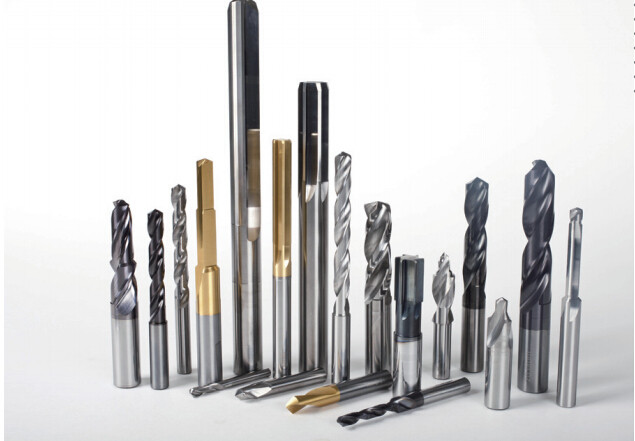
- Optimize Cutting Strategies: Select suitable cutting tools and techniques to reduce cutting forces and the affected heat zone. High-rigidity tools and techniques like climb milling can help reduce cutting forces, thus minimizing the risk of deformation.
- Advanced Cooling Systems: Employ efficient cooling systems, such as direct coolant jetting onto the cutting zone, during titanium machining. This helps lower temperatures and thermal stress, reducing the likelihood of deformation.
- Secure Workpiece Fixturing: Utilize proper fixtures and workholding methods to ensure workpiece stability and rigidity, minimizing the risk of deformation during machining.
- Adequate Allowance Design: When designing titanium parts, consider the material's thermal expansion coefficient and incorporate appropriate machining allowances to compensate for potential deformation during the process.
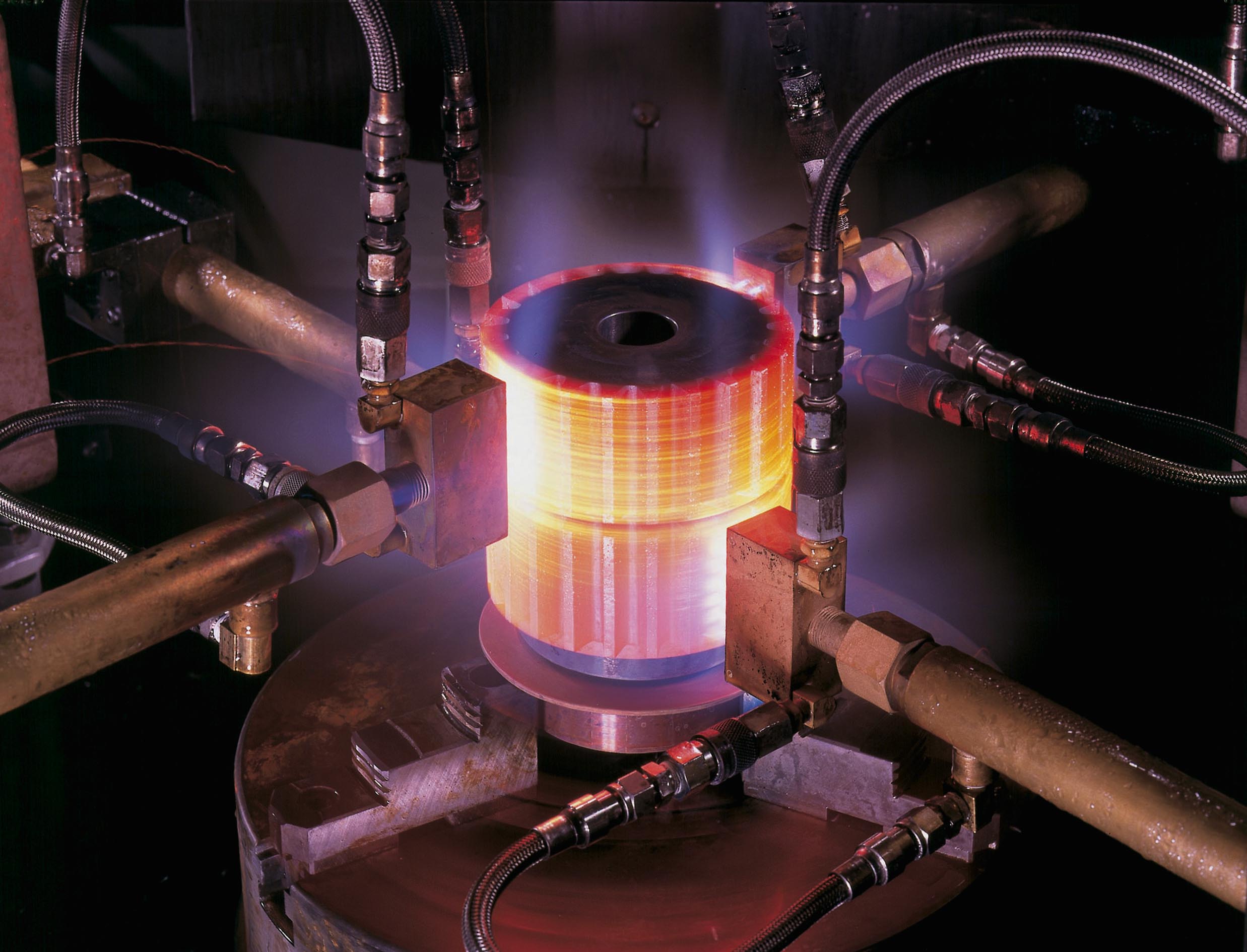
- Controlled Heating Processes: For operations involving heating, such as welding or heat treatment, employ controlled heating methods to avoid rapid or uneven heating that can cause deformation. Techniques like preheating, slow heating, and uniform heating can reduce thermal stress and deformation risks.
- Inspection and Corrective Measures: Monitor and measure the dimensions and shape of the machined parts regularly during the process. Employ precise measurement methods to identify any deformation. If deformation is detected, implement appropriate corrective measures such as heat treatment, thermal correction, or mechanical trimming.
In the production process of CNC titanium machined parts, addressing and preventing deformation is crucial. By implementing effective solutions such as optimizing process design, cutting strategies, cooling systems, workpiece fixturing, allowance design, controlled heating processes, and inspection with corrective actions, the risk of deformation can be significantly reduced or eliminated. Ensuring the quality and precision of titanium machined parts is paramount for the performance of the final products. Therefore, it is essential to remain vigilant and take appropriate measures throughout the production process to guarantee the quality and stability of titanium-machined parts.