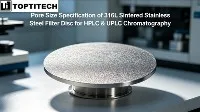

Filtration under extreme temperature and pressure presents critical challenges in industrial processes including petrochemicals, pharmaceuticals, and energy generation. Conventional filter media often undergo structural failure above 300°C or experience deformation and rupture under pressures exceeding 5 MPa. SS316L sintered stainless steel filter elements address these limitations through advanced powder metallurgy, delivering reliable high-temperature stability and precise particulate retention where traditional materials degrade.
Selecting SS316L sintered metal filters for severe service requires analysis of operational parameters and material specifications. Key technical considerations include austenitic stainless steel's corrosion resistance, controlled porosity for consistent micron-rated filtration, and sintered structure integrity under thermal cycling and high differential pressure. Performance validation under simulated operating conditions-assessing long-term stability beyond 400°C and resistance to creep at pressures over 5 MPa-is essential for optimal media selection in complex filtration systems.
This article examines the critical selection criteria for SS316L sintered metal filter elements, establishing a comprehensive technical framework based on material properties and performance validation for high-temperature, high-pressure filtration applications.
1. Key Selection Parameter Comparison
316L Sintered Filter Element Selection Parameter Reference
| Parameter Category | Specific Parameters | Selection Considerations | Common Misunderstandings |
|
Operating Conditions |
Working Temperature | Select specifications with temperature margin ≥50°C | Ignoring the impact of temperature fluctuations on materials |
| Working Pressure | Consider pulse pressure peaks, not just steady-state pressure | Underestimating the destructive power of pressure impacts | |
| Fluid Properties | pH value, corrosive components, particle characteristics | Neglecting long-term effects of trace corrosive components | |
| Performance Parameters | Filtration Precision | Determine based on downstream sensitive component requirements | Excessive pursuit of high precision leading to frequent clogging |
| Permeability/Flow Rate | Match system flow requirements with allowance | Sizing based on maximum flow rate without adjustment space | |
| Dirt Holding Capacity | Determine based on contaminant concentration | Ignoring the impact of dirt capacity on pressure drop | |
| Structural Parameters | Dimensions | Consider installation space and maintenance convenience | Overlooking space required for disassembly and replacement |
| Connection Type | Match existing system interfaces | Ignoring temperature resistance of sealing materials | |
| Structure Type | Flat end, threaded, flange, etc. | Ignoring stress caused by thermal expansion |
2. Strategies for Special Operating Conditions
-
High-Temperature Fluctuation Conditions
For applications with significant temperature fluctuations, we recommend selecting filter elements with high porosity design (45-65%) to provide sufficient buffer space for thermal expansion. Additionally, thermal cycle stability should be considered, with high-quality 316L sintered filter elements capable of withstanding over 1000 thermal cycle tests without performance degradation.
In systems with temperatures above 500°C and significant temperature differences, gradient pore structure is recommended. This structure disperses thermal stress through different thermal expansion coefficients of various pore size layers, reducing structural damage risk.
- High-Pressure Differential Environments
In continuous high-pressure differential environments, the anti-creep performance of the filter element is crucial. 316L stainless steel's anti-creep capability at high temperatures is significantly better than ordinary materials, with less than 0.5% creep under 600°C, 5MPa stress conditions for 1000 hours.
For systems with pressure pulsations, the structural design of the filter element affects its service life more than the material itself. Filter elements with reinforced rib design or composite support structure can improve impact resistance by over 30%.
-
Corrosive Environments
In media containing chloride ions, acids, or alkalis, the low carbon content (≤0.03%) of 316L effectively reduces intergranular corrosion susceptibility. However, for extremely corrosive environments (such as strong acids with pH<2, high chloride ion concentration >1000ppm), surface modification treatments such as plasma-sprayed alumina should be considered to further enhance corrosion resistance.
- Brand and Quality Assessment
The market has numerous brands of 316L sintered filter elements with varying quality. The following core quality indicators should be considered during selection:
Porosity and Pore Size Distribution: High-quality products have uniform pore size distribution, verifiable by bubble point test
Material Certification: Ensure genuine 316L material with material certification
Sintering Quality: No unsintered areas, uniform and consistent structure
Performance Consistency: Stable performance across different production batches
3. Application Case Studies: Successful Practices in High-Temperature and High-Pressure Environments
Petrochemical Application
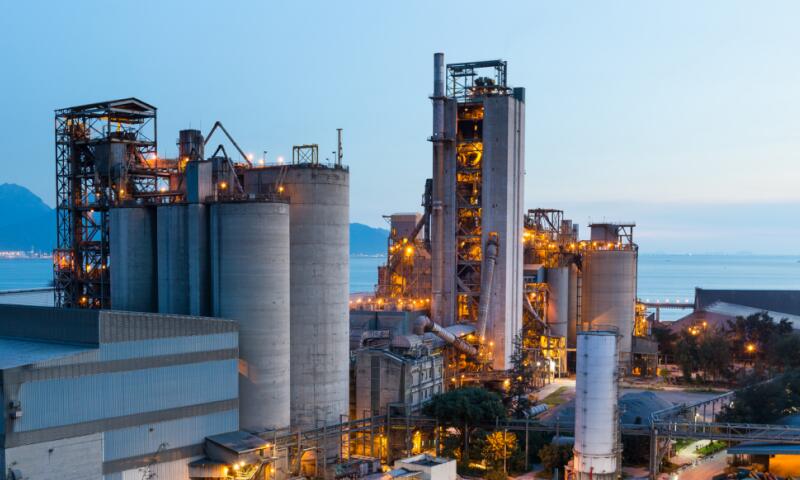
In a refinery hydrocracking unit operating at 380°C, 8MPa, 316L stainless steel sintered filter elements were used to protect downstream high-pressure reactors. The original system used ceramic filter elements with an average lifespan of less than 3 months, causing multiple unplanned shutdowns due to brittle fracture. After switching to custom 316L sintered filter elements, continuous operation for 14 months was achieved, with only online backwashing required due to pressure drop increase, without replacement.
Key parameters of the filter element in this case:
Filtration Precision: 10μm absolute precision
Structure Type: Composite structure with central support tube
Connection Method: API standard flange connection
Cleaning Method: Online hot hydrogen back-blowing
Economic analysis showed that although the initial investment for 316L sintered filter elements was 2.5 times that of ceramic filter elements, annual operating costs were reduced by 42% through extended service life and reduced downtime.
Pharmaceutical Industry High-Temperature Sterilization System
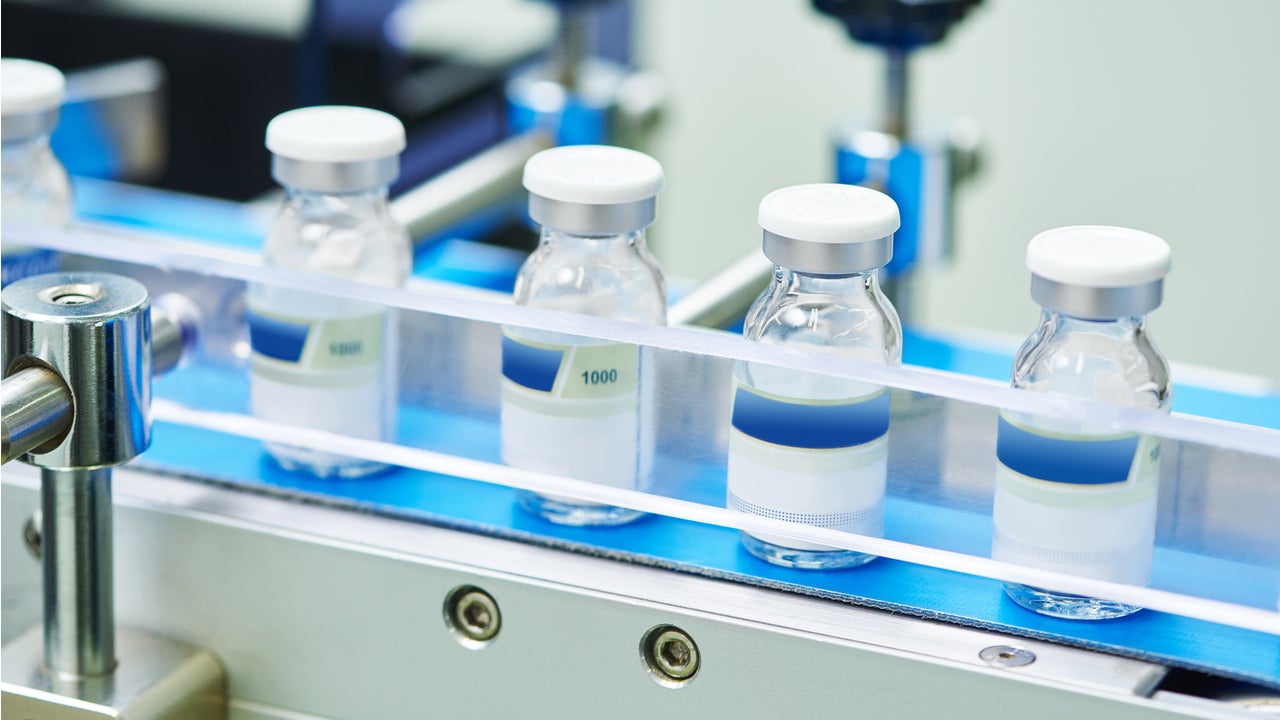
In the terminal filtration of high-purity water systems in the pharmaceutical industry, 316L sintered filter elements are used for high-temperature sterilization cycles. The system requires steam sterilization at 121°C for 30 minutes after each production batch.
Pharmaceutical company faced the following challenges when using polymer filter elements:
Short Lifespan: Frequent high-temperature sterilization caused material aging, requiring monthly replacement
Integrity Risk: Thermal expansion and contraction caused seal failure, risking product contamination
Validation Difficulty: Material performance changes affected sterilization validation consistency
After switching to 316L sintered metal filter elements, they achieved:
Extended Service Life: Continuous use for 2 years without performance degradation
Sterilization Reliability: 100% pass rate in steam sterilization validation
Reduced Operating Costs: Decreased replacement frequency and validation costs
4. Cleaning and Regeneration Technology
The cleanability of 316L sintered filter elements is key to their life cycle cost advantage. Proper cleaning regeneration can restore over 95% of original performance, typically allowing 10-20 cleaning cycles.
Cleaning Method Comparison
| Cleaning Method | Suitable Contaminants | Cleaning Efficiency | Potential Damage | Cost Analysis |
| Ultrasonic Cleaning | Particles, viscous substances | 85-90% | <1% | Medium ($170-250/time) |
| Back Blowing | Dry particulate matter | 70-80% | 3-5% | Low ($55-85/time) |
| Chemical Soaking | Organic contaminants, scaling | 90-95% | 2-3% | High ($350-480/time) |
| Thermal Decomposition Cleaning | Polymers, coking substances | >95% | 5-8% | Relatively High |
5. Conclusion
316L sintered stainless steel filter elements, with their excellent high-temperature stability, exceptional pressure resistance, and outstanding corrosion resistance, have become the ideal choice for filtration solutions in high-temperature and high-pressure conditions. Through scientific selection methods, reasonable maintenance strategies, and understanding of technology development trends, industrial users can fully utilize the advantages of this advanced filtration technology to enhance process reliability and reduce life cycle costs.
In increasingly demanding industrial environments, selecting appropriate 316L sintered filter elements is not only key to solving current filtration challenges but also crucial for promoting process upgrades and achieving efficient and safe production.