

When choosing materials for sintered metal filters, several factors should be considered, including chemical compatibility, temperature tolerance, mechanical strength, and filtration efficiency. Stainless steel and titanium are commonly used materials for sintered metal filters, and we will now discuss their selection reasons and performance comparison.
Stainless steel is a frequently chosen material for sintered metal filters due to its corrosion resistance, high strength, and ease of processing. These filters find applications in various fields, such as chemical and food processing, as well as water and air filtration. Stainless steel also exhibits good mechanical strength and can withstand higher working pressures and temperatures.
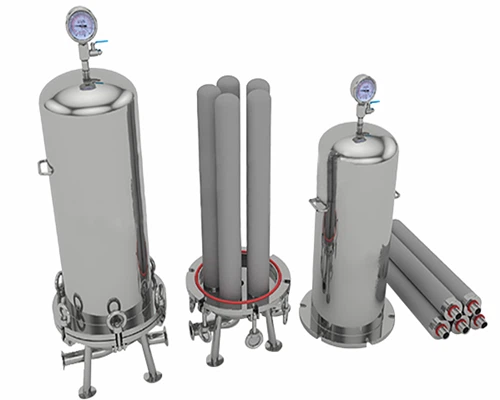
Titanium offers higher strength, superior corrosion resistance, and lighter weight compared to stainless steel. Titanium-sintered metal filters are suitable for environments requiring excellent strength and corrosion resistance, including the marine and chemical processing industries. Additionally, titanium possesses good biocompatibility, making it widely used in medical devices and the biopharmaceutical sector.

Filtration efficiency and pore size should be considered when selecting materials to ensure they meet specific application requirements. Both stainless steel and titanium sintered metal filters can have adjustable pore sizes based on specific needs. Generally, smaller pore sizes provide higher filtration efficiency but may result in lower flow rates. Therefore, material selection should strike a balance between filtration efficiency and flow rate requirements.
In conclusion, the choice between stainless steel and titanium as materials for sintered metal filters depends on comprehensive factors such as the application environment, performance requirements, and cost considerations. Each material has its advantages and disadvantages, and the selection process should be based on specific circumstances.


