
Titanium alloy performance heavily depends on effective surface layer modification. Three core methodologies address distinct processing requirements while ensuring compliance with international material standards.
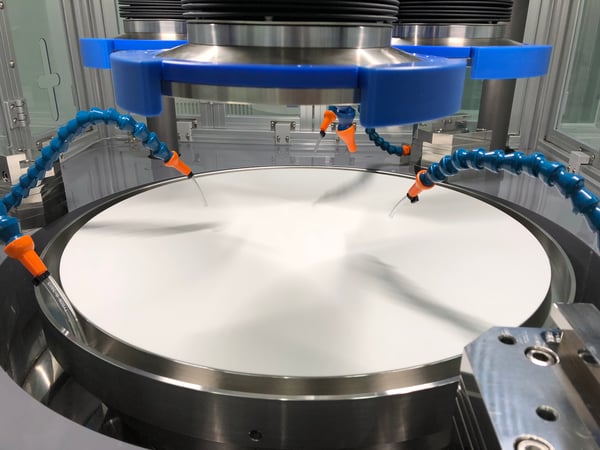
Mechanical Polishing Systems
Abrasive Blasting: White corundum media achieves optimal surface profiling without excessive pressure-induced sparking. Controlled grit size selection prevents subsurface damage while removing oxide layers and adhered contaminants.
Acid Etching: HF-HNO3 dual-phase solutions demonstrate superior oxide removal efficiency with minimal hydrogen pickup. The redox reaction simultaneously refines surface topography, critical for biomedical and aerospace applications.
Chemical Polishing Technology
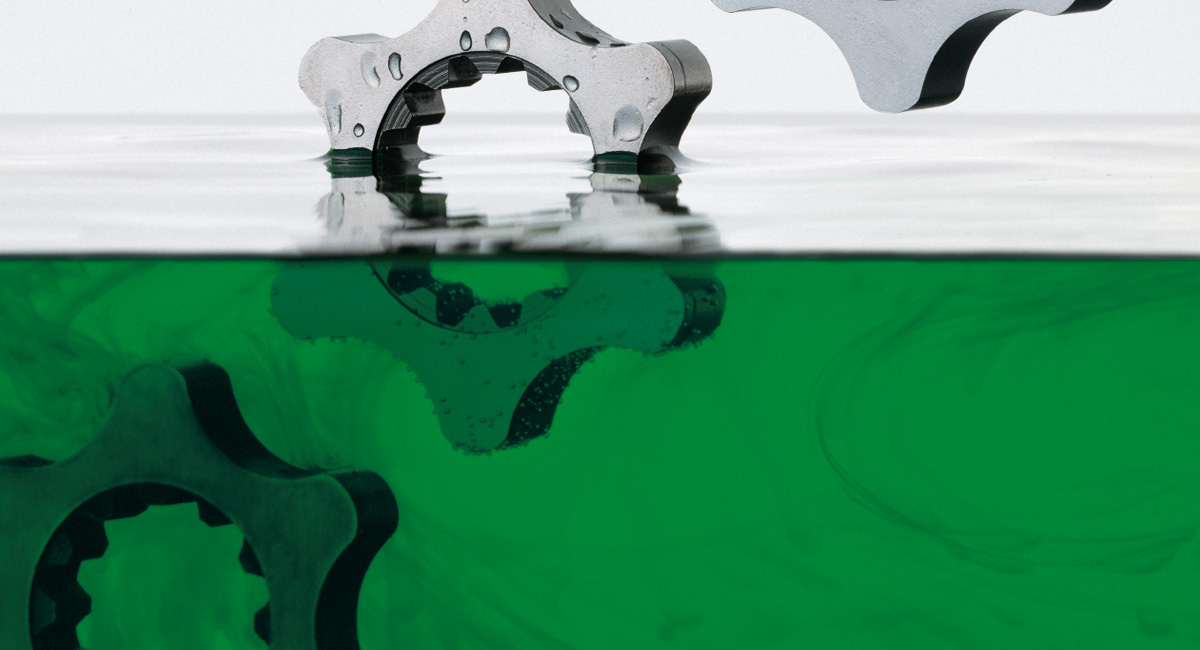
HF-based chemical polishing solutions enable isotropic material removal, particularly advantageous for complex geometries. Low-temperature processing maintains dimensional stability while achieving micro-smoothing effects. Concentration monitoring prevents over-etching in thin-walled components.
Electropolishing Advancements
Chloride-based electrolyte systems facilitate controlled anodic dissolution under low-voltage conditions. Current research focuses on cathode geometry optimization to improve uniformity across intricate features, addressing existing limitations in industrial-scale applications.

The selection of titanium surface treatment methodology ultimately depends on component geometry, performance requirements, and production scale. While mechanical polishing remains the workhorse for standard applications, chemical polishing provides unmatched versatility for complex parts. Electropolishing continues to evolve as the gold standard for precision components, though further cathode design refinements are needed for widespread industrial adoption. As material science advances, hybrid approaches combining these techniques may offer new possibilities for achieving superior surface integrity across various titanium alloy grades and applications.