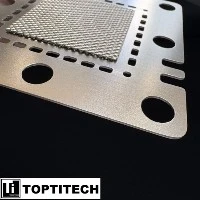

The PEM electrolytic cell consists of three essential components: the bipolar plate, gas diffusion layer, and electrode. Currently, the bipolar plate and gas diffusion layer can be manufactured domestically, while the development of domestic membrane electrodes is still in progress.
The production process for the bipolar plate is similar to that of semiconductors and chips. It involves feeding, material cleaning, gradual exposure, development, repair, heat baking, etching, mold release, inspection, and storage of finished products. Various metal and alloy series, such as stainless steel, titanium alloy, and nickel-based alloys, are suitable for the selection of metal bipolar plates.
To ensure a certain service life, the bipolar plate and gas diffusion layer require coating. Common choices include conductive anti-corrosion coatings like platinum, iridium, gold, and carbon-based coatings. The thickness of the coating plays a crucial role. While ordinary chemical plating achieves a thickness of about 0.1 mm, the TopTi coating process can achieve a thickness of 0.5 microns, leading to cost reductions. Plasma cleaning of the surface before coating and operating in a vacuum state results in higher adhesion compared to water plating.


The optional materials for the titanium fiber felt diffusion layer include titanium, nickel, stainless steel, and alloys. However, there are technical barriers to using nickel-based fiber, and it is also more expensive in the market. The company has the advantage of independently processing fiber materials and providing customized products based on customer requirements. Currently, the product is still in the testing stage.
Compared to alkaline electrolysis water hydrogen production technology, PEM hydrogen production faces challenges due to the lack of scaled and localized key core materials, resulting in high equipment costs. The bipolar plate and gas diffusion layer are critical components of PEM water electrolysis. Once these core components are realized and localized, the equipment cost of PEM electrolytic cells can be significantly reduced in the future, thereby driving the development of the hydrogen industry.