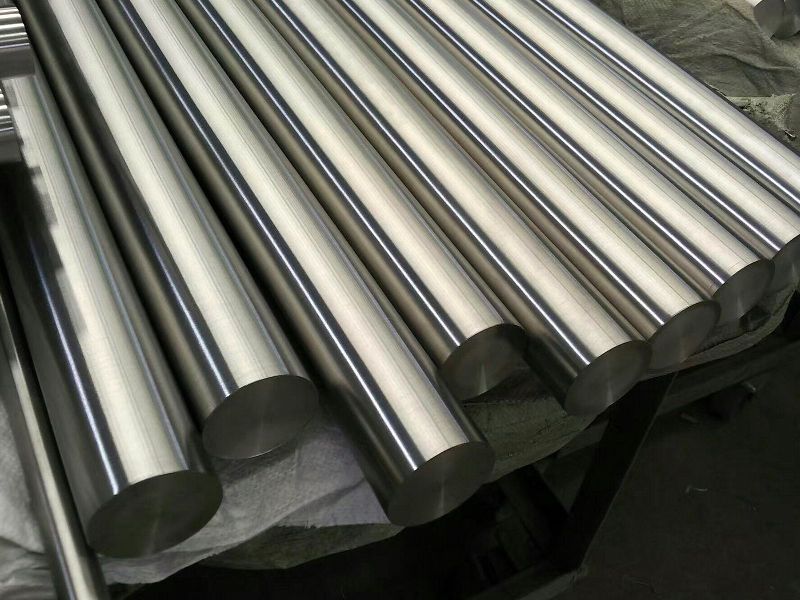

Titanium rods exhibit excellent corrosion resistance; however, in specific environments, surface treatment is essential to enhance their corrosion and wear resistance.
01
Atmospheric Oxidation Treatment
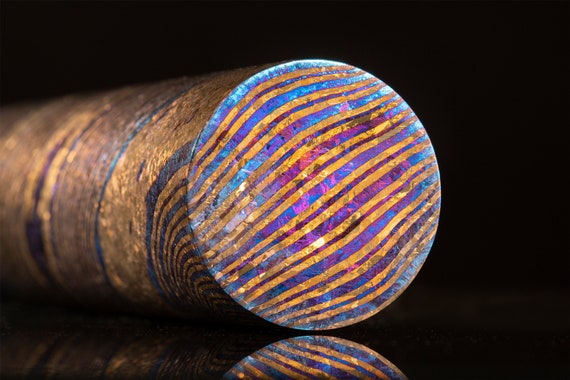
Atmospheric oxidation treatment involves exposing titanium rods to high temperatures in the presence of air to thicken the oxide film on the surface. The thickness of the oxide film increases with higher temperatures and prolonged exposure. While effective against general and crevice corrosion, this method has limitations in terms of long-term durability as the oxide film may thin over time, leading to corrosion.
02
Wet Coating Method
The wet coating method primarily involves electroplating Cr and Ni-P onto titanium rods. Due to the challenges of direct chromium plating on titanium, a typical approach involves nickel plating followed by chromium plating. This method results in rapid film formation with thicknesses reaching several micrometers, making it an effective surface treatment for wear resistance.
03
Thermal Diffusion Method
The thermal diffusion method disrupts the titanium surface oxide film using glow discharge plasma, followed by nitriding. This process can increase the thickness of the nitride film from 0.7um to 5.0um, achieving surface hardness levels of 1200-1600Hv and excellent wear resistance.
04
Cladding Method
Utilizing plasma transferred arc, the cladding method hardens and modifies the surface of titanium plates. This technique offers superior wear resistance, and simplicity, and prevents a decline in mechanical properties, albeit being limited to thicker and larger workpieces.
05
Sputtering Method
The sputtering method involves using high-speed plasma jet streams to deposit molten metal droplets onto the surface of titanium rods. While it boasts high production efficiency, the coating's adhesion may be insufficient.
06
Precious Metal Coating
Coating titanium surfaces with precious metals like Pd, Ru, or their oxides (PdO, RuO2) significantly enhances corrosion resistance. The corrosion resistance of coated materials can rival that of Ti/0.15Pd alloy, although detachment of the precious metal film from titanium surfaces may occur during prolonged use in fluidic environments.