

Titanium sheets exhibit varying surface conditions, tailored to production requirements and specific applications. Here's an in-depth look at some common surface conditions of titanium sheets:
Hot-Rolled Surface

Hot rolling is a prevalent method for titanium sheet manufacturing. Hot-rolled sheets typically feature a rougher surface, necessitating subsequent processing and surface treatments to meet specific requirements.
Cold-Rolled Surface
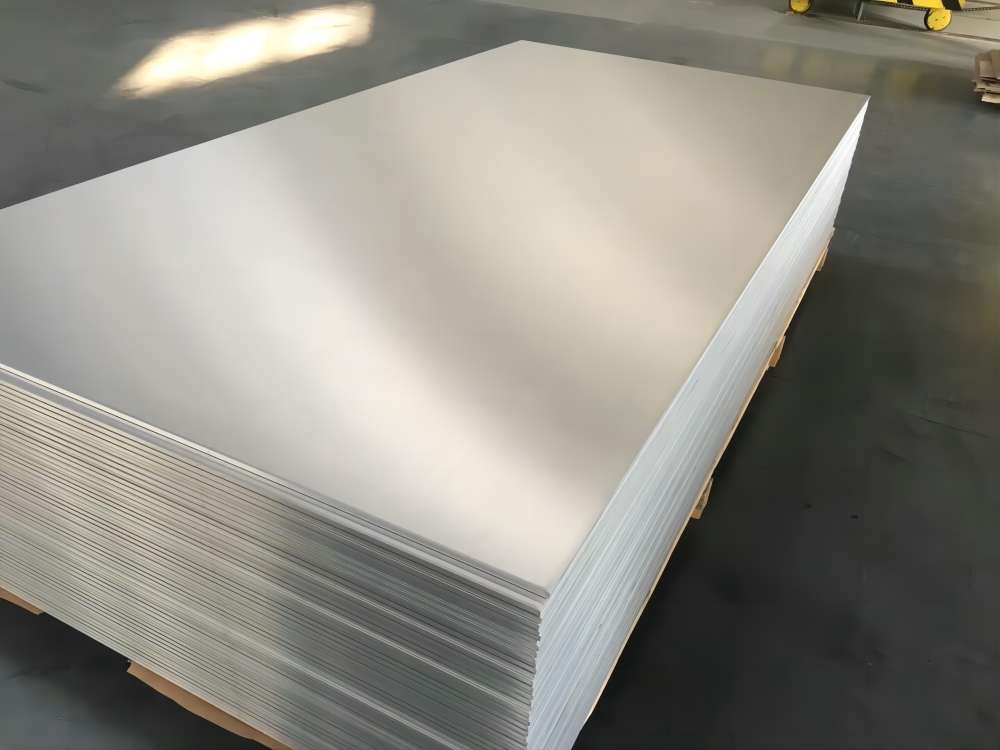
Cold rolling involves titanium sheet rolling at room temperature to achieve smoother and more uniform surface quality. Cold-rolled sheets usually possess a smoother surface, ideal for applications demanding higher surface quality.
Acid Pickled Surface

Acid pickling is a surface treatment method to remove oxides, impurities, and undesired surface layers from titanium sheets, enhancing their appearance and corrosion resistance.
Polished Surface

Polishing involves mechanical or chemical processes to render titanium sheet surfaces highly smooth and reflective. Polished surfaces are commonly used in applications requiring a refined appearance.
Sandblasted Surface

Sandblasting entails blasting sand particles onto titanium sheet surfaces to achieve a uniformly rough surface, enhancing friction and wear resistance. This surface treatment is often employed in applications requiring anti-slip properties or increased surface roughness.
Anodized Surface

Anodizing is a surface treatment method that forms an oxide layer on titanium sheet surfaces, enhancing corrosion resistance and hardness. This treatment is typically utilized in specific electronic and chemical applications.
Each surface condition offers distinct characteristics catering to various application domains. Selecting the appropriate surface condition hinges on specific needs such as appearance, corrosion resistance, frictional performance, and assembly requirements.


