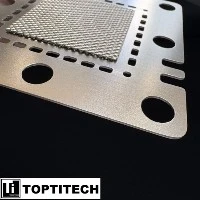


A Proton Exchange Membrane (PEM) electrolyzer comprises various essential components:
Electrolyte membrane: It is a thin membrane that conducts protons and separates the anode and cathode compartments of the electrolyzer. This membrane permits the passage of positively charged hydrogen ions (protons) while blocking negatively charged electrons.
Anode: This electrode facilitates the oxidation of water, resulting in the production of oxygen gas and positively charged hydrogen ions (protons). Typically, the anode is constructed using corrosion-resistant metals like titanium or platinum.
Cathode: This electrode enables the combination of positively charged hydrogen ions (protons) and negatively charged electrons to generate hydrogen gas. Similar to the anode, the cathode is typically made from a corrosion-resistant metal, such as platinum.
Bipolar plates: These are thin, flat plates that act as electrodes within the electrolyzer and aid in the uniform distribution of hydrogen and oxygen gases. Bipolar plates are commonly composed of conductive materials like graphite or stainless steel.
Gas diffusion layers (GDLs): These porous and electrically conductive materials are positioned between the bipolar plates and the anode and cathode electrodes. GDLs assist in the even distribution of reactant gases and facilitate the removal of product gases from the reaction sites.
End plates and seals: These components are utilized to create a hermetic seal for the electrolyzer, preventing any leakage of reactant and product gases.
Together, these components enable the PEM electrolyzer to efficiently and reliably split water into hydrogen and oxygen gases.