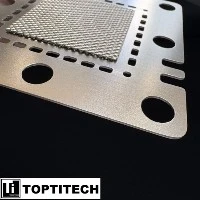

The thickness of the gas diffusion layer (GDL) plays a crucial role in the performance, durability, and cost of a proton exchange membrane (PEM) fuel cell. Several factors contribute to determining the thickness of the GDL:
Operating conditions: The thickness of the GDL is influenced by the fuel cell's operating conditions, including current density, temperature, and humidity. For instance, higher current densities may necessitate thinner GDLs to mitigate mass transport limitations. Conversely, higher temperatures may require thicker GDLs to enhance mechanical stability and durability.
Electrode structure: The structure and properties of the electrodes impact the GDL thickness. Optimizing the GDL thickness to match the catalyst layer promotes better contact between reactants and the catalyst.

Material properties: The material properties of the GDL, such as porosity, permeability, and electrical conductivity, affect its thickness. Increased porosity enables thinner GDLs to achieve sufficient mass transport, while higher electrical conductivity allows for thinner GDLs to maintain adequate electrical contact.
Cost considerations: The cost of materials and manufacturing processes influences the GDL thickness. Thick GDLs may be costlier to produce, potentially elevating the overall fuel cell cost.