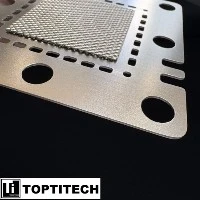

While both the Porous Transport Layer (PTL) and Gas Diffusion Layer (GDL) are porous materials utilized in fuel cells and electrolyzers, they serve distinct functions.
The GDL is a thin, porous layer positioned between the electrode and the reactant gas flow field. Its primary role involves transporting reactant gases to the electrode surface while effectively eliminating excess water generated during the electrochemical reaction. Additionally, the GDL facilitates electrical conductivity between the electrode and the current collector, which gathers the electrical current produced by the electrochemical reaction.

The structure of PEMWE
In contrast, the PTL is a porous layer employed to evenly distribute reactant gases across the electrode surface in fuel cells or electrolyzers. The PTL also acts as a barrier, preventing the electrode from flooding due to excessive reactant gas. Furthermore, it aids in managing water transport away from the electrode.
Though the functions of the GDL and PTL differ, both materials share a porous nature and are typically composed of similar materials, such as carbon fiber or paper. Their presence is crucial for achieving efficient and effective operation of fuel cells and electrolyzers.
In fuel cells and electrolyzers, both PTLs and GDLs are utilized. However, the specific materials employed may vary based on the intended application.