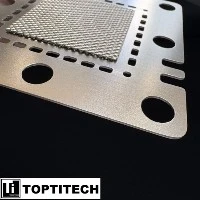

Using platinum‑coated porous titanium plates or titanium felts as gas diffusion layers (GDLs) is mainly driven by the demanding conditions in electrochemical systems such as PEM fuel cells, PEM water electrolyzers, and other hydrogen/oxygen electrochemical devices.
The main advantages of using platinum coated porous titanium plates or titanium felt for gas diffusion layers are as follows:

1. Superior corrosion resistance
- Titanium is highly resistant to corrosion in acidic and oxidizing environments, unlike conventional carbon GDLs that degrade or oxidize under high potential.
- This makes it suitable for long‑term operation in harsh conditions, especially on the anode side of PEM electrolyzers.
2. Stable porous structure
- Porous titanium plates or felts provide a mechanically strong, interconnected network of pores.
- This structure allows uniform gas diffusion, efficient liquid water/gas bubble removal, and maintains integrity even under high pressure differentials.


3. Role of platinum coating
- Conductivity improvement: Bare titanium forms a passive oxide layer (TiO₂), which increases interfacial resistance. A thin platinum coating minimizes contact resistance.
- Catalytic activity: Platinum functions as an electrocatalyst, enhancing hydrogen evolution (HER), oxygen evolution (OER), and oxygen reduction (ORR) reactions.
- Durability: The platinum layer protects the titanium substrate and ensures stable electrochemical performance over time.
4. Processability and integration
- Porous titanium materials can be cut, welded, or assembled into larger units, making them flexible for different stack designs.
- Their robustness enables reliable integration into both fuel cell stacks and electrolyzer stacks.