Titanium fiber felt is rapidly gaining popularity as an electrode plate material in proton exchange membrane (PEM) electrolysers. This is owing to its particular properties, that make it highly suitable for this application.
PEM electrolyzers employ an electrolyte membrane to separate hydrogen and oxygen gases generated during the electrolysis process. The electrode plates play a crucial role in facilitating electrolysis by conducting electricity between the anode and cathode compartments of the electrolyzer.
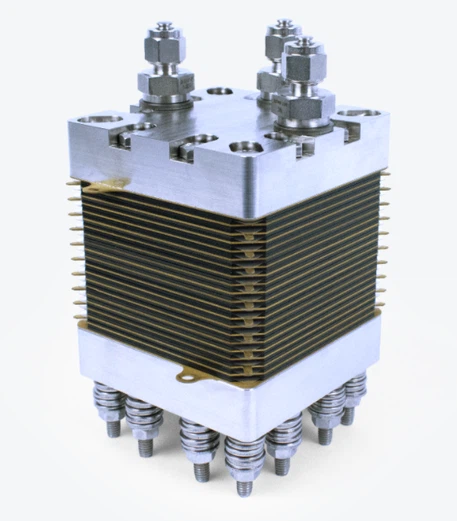
PEM ELECTROLIZER FOR HYDROGEN PRODUCTION
Titanium fiber felt, composed of titanium metal fibers, has emerged as an ideal material for electrode plates owing to its substantial surface area. The material's high porosity enables efficient ion and gas exchange, which is vital for optimal electrolyzer performance.
PEM electrolyzers have gained popularity due to their heightened efficiency and cost-effectiveness. These systems utilize a proton exchange membrane as the electrolyte, enabling effective separation of hydrogen and oxygen gases. They find applications in various domains, including fuel cells and industrial processes requiring high-purity hydrogen gas.
Titanium fiber felt offers numerous advantages that make it exceptionally suited for electrode plate usage in PEM electrolyzers. Firstly, it exhibits excellent corrosion resistance, a critical attribute in the corrosive environment encountered during electrolysis involving acids and other corrosive substances. Secondly, its high thermal conductivity ensures efficient dissipation of heat generated during electrolysis.
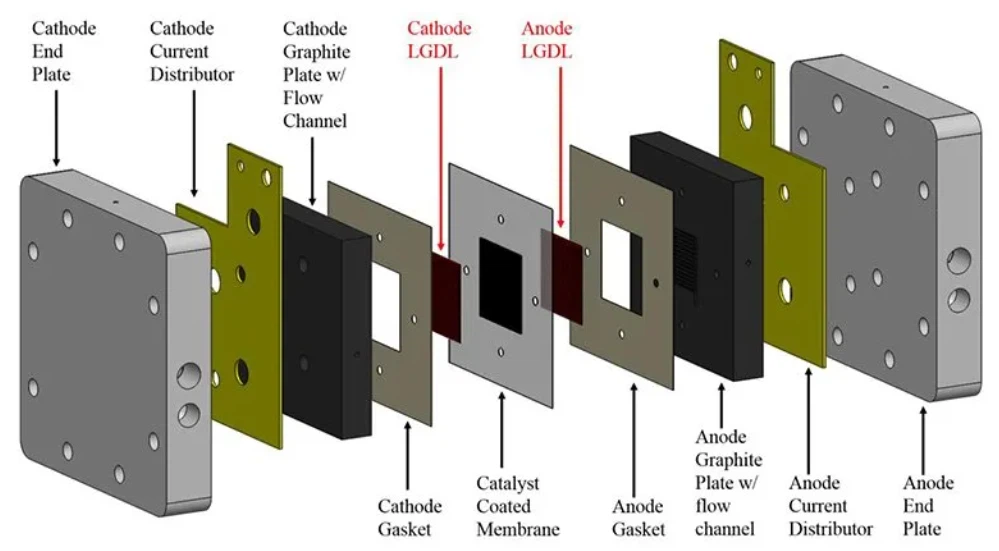
Sintered Titanium fiber felt for LGDL
Moreover, titanium fiber felt boasts a prolonged lifespan, making it a cost-effective choice for industrial applications.
In conclusion, the unique properties of titanium fiber felt make it an outstanding material for electrode plates in PEM electrolyzers. It surpasses traditional electrode plate materials, gaining popularity in industrial and research contexts. Its remarkable performance, high efficiency, and cost-effectiveness render it an appealing option for those seeking a reliable and efficient method of producing high-purity hydrogen gas.