

Products


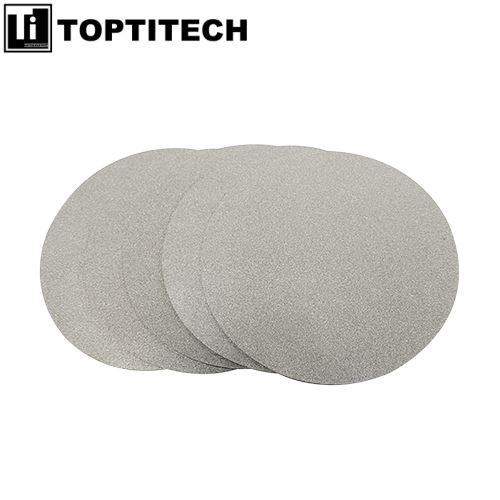
Titanium Anode Plate Platinum-coated Electrode Materials
2. High catalytic activity and low working voltage;
3. The working voltage is low;
4. The working life of the titanium anode is long.
Send Inquiry
Product Introduction
Titanium anode plate is a type of electrode used in various electrochemical processes, including electroplating, electrowinning, and electrolysis. They are made of pure titanium or titanium alloy and have a specific surface treatment that makes them suitable for use as an anode in these processes.
The surface treatment of titanium anode plate involves creating a layer of titanium oxide on the surface of the plate. This layer is created through a process called anodization, which involves applying an electrical current to the titanium plate while it is immersed in an electrolyte solution. This process causes an oxide layer to form on the surface of the titanium, which provides protection against corrosion and increased durability.

Platinium-coated titanium electrode
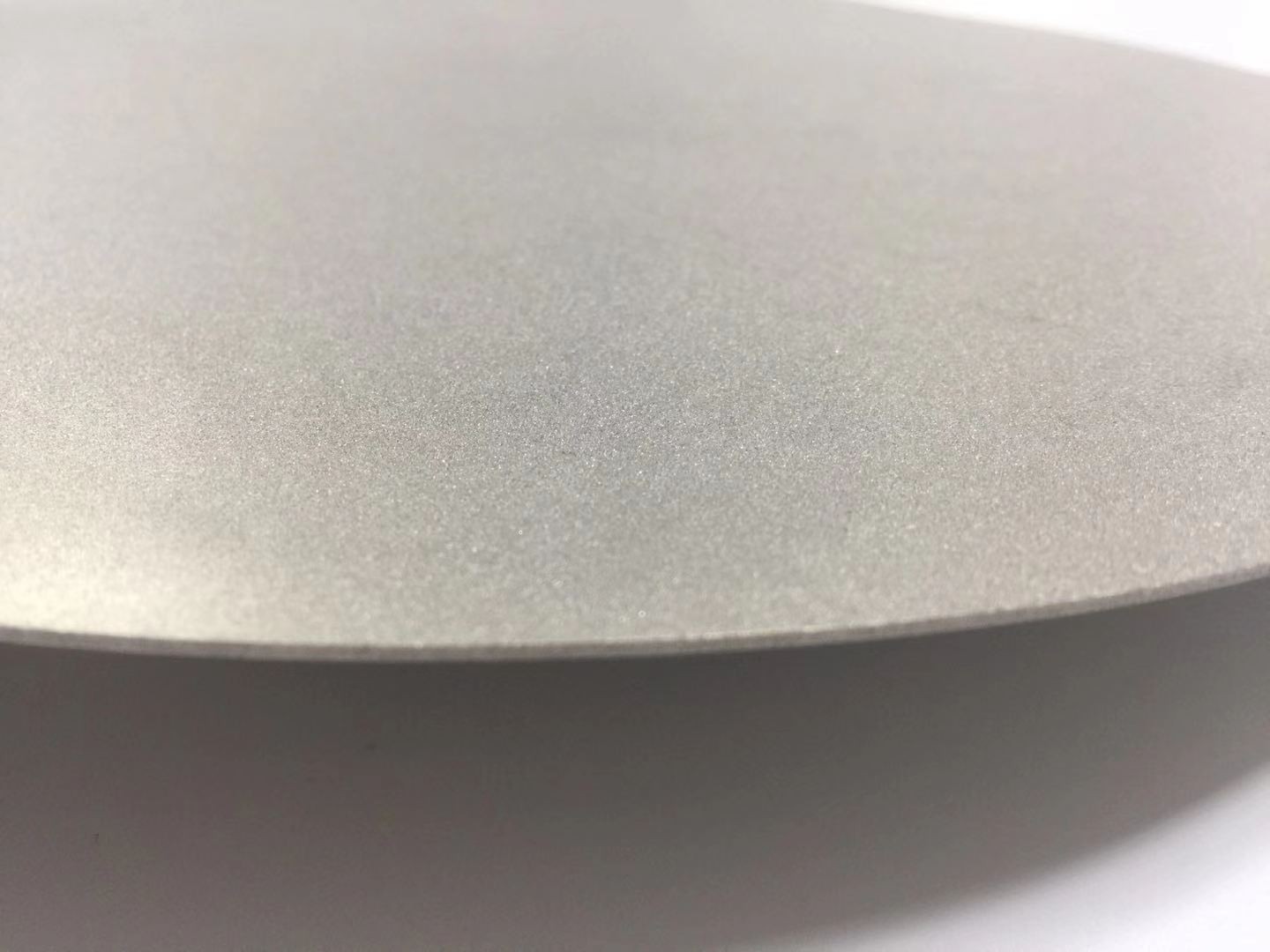
detail of the titanium electrode
What is the platinum-coated electrode material?
Platinum-coated electrode materials are a type of electrode used in various electrochemical processes, particularly in applications where high performance and stability are required. These electrodes are typically made of a base material, such as titanium or stainless steel, that is coated with a layer of platinum, either through electroplating or physical vapor deposition (PVD).
The platinum coating provides several advantages over other electrode materials:
-
High conductivity: Platinum is a highly conductive material, allowing for efficient transfer of electrons during electrochemical reactions.
-
Stability: Platinum is a stable material that does not degrade over time, making it suitable for use in long-term applications.
-
Corrosion resistance: Platinum is highly resistant to corrosion, making it suitable for use in harsh environments or in the presence of corrosive chemicals.
-
Catalytic activity: Platinum has a high catalytic activity, allowing it to facilitate electrochemical reactions and improve the efficiency of the electrode.
Platinum-coated electrodes are commonly used in fuel cells, where the electrodes facilitate the conversion of hydrogen and oxygen into electrical energy. They are also used in electrochemical sensors, analytical instruments, and in the production of chemicals such as chlorine and sodium hydroxide through electrolysis.
Products Features
1. High surface area: The platinum coating provides a high surface area for electrochemical reactions, leading to higher current efficiency and better performance.
2. Versatility: Platinum-coated titanium anode plates can be used in a wide range of electrochemical processes, including electroplating, electrowinning, and electrolysis.
3. Biocompatibility: Titanium is biocompatible and non-toxic, making it suitable for use in biomedical applications such as implants. The platinum coating can further enhance biocompatibility and reduce the risk of reactivity or toxicity.
4. Long lifespan: The platinum coating provides protection against corrosion and degradation, leading to a longer lifespan compared to other types of anodes.
5. Uniform coating: Electroplating allows for a uniform coating of platinum on the titanium anode plate, ensuring consistent performance and durability.
6. Improved energy efficiency: The high catalytic activity and high surface area of the platinum-coated titanium anode plate can improve energy efficiency and reduce the energy required for electrochemical processes.
Classification
1. According to the gas evolution of the anode in the electrochemical reaction, the chlorine evolution anode is called the chlorine evolution anode, such as the nail-coated titanium electrode: the oxygen evolution anode is called the oxygen evolution anode, such as the coated titanium electrode and the platinum titanium mesh. /plate. Chlorine-evolution anode (nail-coated titanium electrode): The chloride ion content in the electrolyte is high, generally in the environment of hydrochloric acid, electrolysis of seawater, and electrolysis of salt water. The corresponding products of our company are nail iridium titanium anode and nail iridium tin titanium anode.
2. Depending on the coated titanium electrode, the oxygen evolution anode: The electrolyte is often an atmosphere with sulfuric acid. Tantalum anodes, tantalum-tin-titanium anodes, and high-yield titanium anodes are comparable products of our company.
3. Titanium serves as the foundation for the platinum-coated anode. The mesh size of the platinum titanium mesh is typically 12.5x4.5mm or 6x3.5mm, and the surface is coated with platinum. The thickness of the coating is typically 0.5-5um.
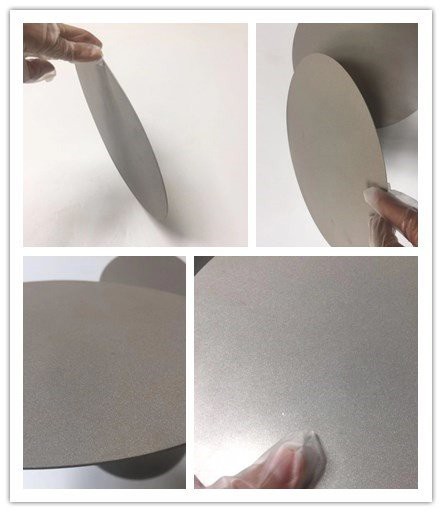
Products Display
Use Methods
The correct use of platinum-coated titanium electrodes
1. It is important to rule out (or at least identify) the presence of "chloride" and "phosphate" ions in the plating solution before employing platinum-coated titanium electrodes, and it is safe to check that there is no chemical composition that corrodes platinum-coated titanium electrodes. Use platinum-coated titanium electrodes to prolong the lifespan and prevent severe corrosion of the bottom substrate of platinum-coated titanium electrodes.
2. To ensure optimal performance and longevity of platinum-coated titanium electrodes, it is important to select a suitable electrochemical process. The current density of the electrode should be kept below 50A/dm2, while the tank pressure should be maintained below 10V. Exceeding these limits can lead to premature corrosion, dissolution, and coating failure, ultimately reducing the service life of the electrode. It is recommended to choose an anodizing process that does not form solid oxides, as this can prevent oxide thickening and passivation, which can negatively affect the conductivity of the platinum-coated titanium electrode. Anode breakdown is caused by the inherent characteristics of the titanium material itself. When the cell pressure exceeds 10V, the titanium surface in contact with the platinum coating begins to dissolve slightly, and complete breakdown occurs at 12V. At this point, the cell pressure can no longer be accurately measured and the current cannot be increased, resulting in anode damage. To ensure the safe and effective use of platinum-coated titanium electrodes, it is crucial to maintain a tank pressure below 10V. By following these guidelines, the platinum-coated titanium anode can provide reliable and efficient performance in various electrochemical processes.
3. The effective anode area, or the anode area below the liquid surface, should, in theory, be lower than the cathode's surface area. The anode will readily degrade and won't function normally if it is utilized when the anode area is smaller than the cathode area.
4. The plating tank's impedance will grow together with the pressure in the tank. When the tank voltage is higher than 10V, the current shouldn't be increased further; instead, it should be adjusted accordingly, such as by reducing the current by 10% and lengthening the plating time by 10%.
Contact Us

Tel: 0917-3873009

Phone: +86 18992731201

Email: zhangjixia@bjygti.com

Fax: 0917-3873009

Address: No. 195, Gaoxin Avenue, High-tech Development Zone, Baoji City, Shaanxi, China

Whatsapp: +86 18992731201
Hot Tags: titanium anode plate platinum-coated electrode materials, China, suppliers, manufacturers, customized, usage, pricelist, for sale, in stock, free sample, porous material, GR1 Sintered Titanium Plate Food Grade Micro Grade Pores For Fine Chemical Filtration, sus316l metal sintered mesh and metal, Micron pure titanium powder sintered porous metal filter disc for gas chamber diffusers, titanium mental powder sintered filter, Pure Titanium Sintered Foam Plate, Sintered Porous Titanium Rod Filter Cartridge for Biomedical Equipment Filter
Send Inquiry
You Might Also Like
-
![20um Sintered Powder Porous Stainless Steel Filter Disc]() 20um Sintered Powder Porous Stainless Steel Filter Discview more>
20um Sintered Powder Porous Stainless Steel Filter Discview more> -
![A High-quality Titanium Powder Sintered Filter Tube]() A High-quality Titanium Powder Sintered Filter Tubeview more>
A High-quality Titanium Powder Sintered Filter Tubeview more> -
![Sintered Copper Powder Porous Filter Element]() Sintered Copper Powder Porous Filter Elementview more>
Sintered Copper Powder Porous Filter Elementview more> -
![0.2um Porous Titanium Round Disc Sheet Customized]() 0.2um Porous Titanium Round Disc Sheet Customizedview more>
0.2um Porous Titanium Round Disc Sheet Customizedview more> -
![Porous sintered Metal Filters cartridges for filtration]() Porous sintered Metal Filters cartridges for filtrationview more>
Porous sintered Metal Filters cartridges for filtrationview more> -
![High-precision Sintered Stainless Steel Wire Mesh Round Disc]() High-precision Sintered Stainless Steel Wire Mesh Round Discview more>
High-precision Sintered Stainless Steel Wire Mesh Round Discview more>


