In today's dynamic landscape, the meticulous selection and innovative design of materials are pivotal across a spectrum of industries, from everyday commodities to cutting-edge technologies, spotlighting the ingenuity and foresight of designers. Within the sphere of smartphones, the realm of material innovation and implementation stands out as a captivating arena, with titanium alloy materials emerging as a central focus for a myriad of tech enterprises. Huawei, a prominent figure in this domain, has been relentless in its quest for exploration and innovation.

In 2017, a Huawei expert in metal materials, captivated by the remarkable performance of titanium-aluminum composite materials in extreme conditions while perusing aerospace-related content, envisioned a bold integration of this groundbreaking technology into smartphone manufacturing. Despite the avant-garde nature of this concept, the expert and their dedicated team forged ahead with unwavering determination.
Recognizing the pivotal role of material selection in product competitiveness within the smartphone industry, the team embarked on a journey of extensive research, numerous experiments, and rigorous tests, culminating in the successful validation of titanium-aluminum composite materials in smartphones and the acquisition of a national patent.
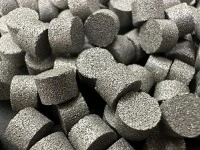
In a bid to fortify product reliability, another unit within Huawei introduced the "hot isostatic pressing" technology, skillfully amalgamating different metal types to optimize material utilization. This interdisciplinary breakthrough seamlessly introduced aerospace-grade titanium-aluminum composite technology into smartphone production, effectively addressing a void within the Chinese market. However, the path of innovation was not devoid of challenges.
During the practical application of titanium-aluminum composite materials, the team encountered obstacles related to oversized initial embryo antenna gap sizes, significantly compromising the overall reliability of the device. Confronted with this hurdle, the team persevered, conducting thorough investigations and trials, ultimately resolving the issue by adjusting the initial clearance, thereby augmenting the material's reliability.

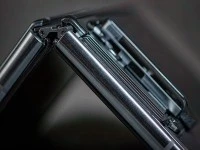
Building on this groundwork, the team eschewed complacency, setting their sights on a loftier objective-developing a high-gloss titanium alloy. Drawing inspiration from exquisite jewelry-grade polishing techniques and implementing a series of meticulous polishing procedures, they successfully crafted a distinctive high-gloss titanium alloy. This material not only bolstered the smartphone's durability but also effectively mitigated potential wear, scratches, and dirt-related concerns in daily usage.
Following a battery of stringent tests, this novel material showcased exceptional reliability: abrasion resistance surged fivefold, and drop resistance doubled compared to preceding models. The culmination of Huawei's high-gloss titanium alloy architecture heralded an unparalleled product experience for consumers. This achievement not only underscored Huawei's profound acumen in materials science but also epitomized its ethos of embracing challenges and fostering innovation.