

Porous metal materials have many applications in gas diffusion due to their unique properties, such as high surface area, high porosity, and good mechanical strength. These properties make them ideal for use in gas diffusion applications, where the efficient transfer of gases is critical.
In gas diffusion electrodes (GDEs)
GDEs are used in a variety of electrochemical systems, such as fuel cells, electrolyzers, and batteries. In a GDE, the porous metal material is used as a support structure for the electrocatalyst, which facilitates the reaction between the gas and the electrolyte.
In gas separation membranes
Porous metal materials are also used in gas separation membranes. These membranes are used to separate different gases based on their size and molecular weight. The porous metal membrane allows smaller gas molecules to pass through while blocking larger molecules.
In gas sensors
Porous metal materials can be used as the sensing element in gas sensors, where the gas diffuses through the porous structure and interacts with the sensing material, causing a change in electrical or optical properties.
Overall, the unique properties of porous metal materials make them an attractive option for a wide range of gas diffusion applications, including gas diffusion electrodes, gas separation membranes, and gas sensors.

Porous products
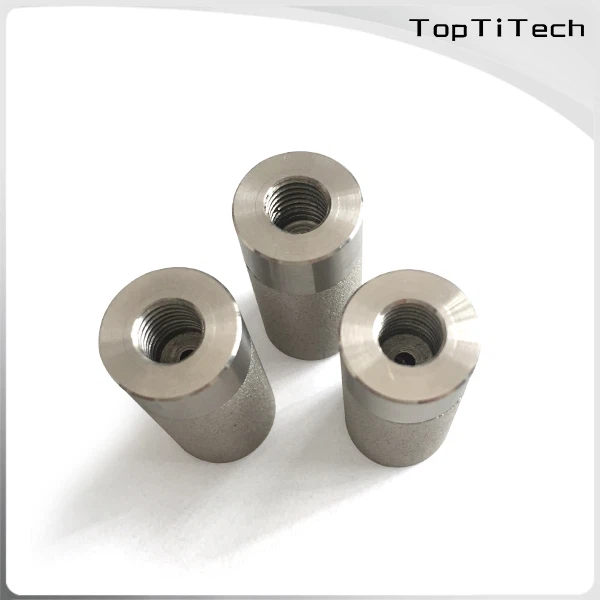
Porous sensors
While porous metal materials have many advantages for gas diffusion applications, there are also some challenges that need to be addressed. Here are some of the key challenges:
Corrosion: Porous metal materials can be susceptible to corrosion in certain gas environments. Corrosion can degrade the performance of the material and reduce its lifespan. To mitigate this, protective coatings or surface treatments can be applied to the porous metal material.
Fouling: In some gas diffusion applications, the porous metal material can become fouled with contaminants, such as dust, oil, or other particles. This can reduce the porosity and reduce the efficiency of the gas diffusion process. Regular cleaning or maintenance may be required to prevent fouling.
Pressure drop: The high porosity of the porous metal material can lead to a significant pressure drop across the material when gas is flowing through it. This can reduce the overall efficiency of the system and may require additional measures, such as the use of a compressor, to maintain the desired flow rate.
Manufacturing complexity: The manufacturing process for porous metal materials can be complex and costly, especially if high levels of precision are required. This can limit the scalability and commercial viability of some gas diffusion applications.
Material selection: The choice of porous metal material can be critical for the success of a gas diffusion application. Factors such as porosity, permeability, strength, and corrosion resistance must be carefully considered to ensure that the material is suitable for the specific application.

Porous gas diffusion electrodes

Porous filtration tubes


