
The chlor-alkali manufacturing environment, characterized by high temperatures, wet chlorine gas, concentrated brine, and strong alkalis, presents one of the most severe corrosion challenges in industry. Within this demanding setting, titanium alloys have evolved from a specialized alternative to a fundamental cornerstone for ensuring reliable production and long-term operational economy.

Electrolysis generates hot wet chlorine gas (80-95°C), a medium exceptionally corrosive to most engineering materials. In this environment, titanium alloys spontaneously form a stable, adherent passive oxide film. This property establishes titanium as the optimal material for wet chlorine gas coolers (scrubbers), enabling service lives exceeding 15 years with minimal maintenance and consistent heat transfer efficiency.
Electrolyzer Core: The Foundation of Membrane Cell Technology
Within the anode compartment of ion-exchange membrane electrolyzers, titanium serves two critical functions:
Dimensional Stable Anodes (DSAs):
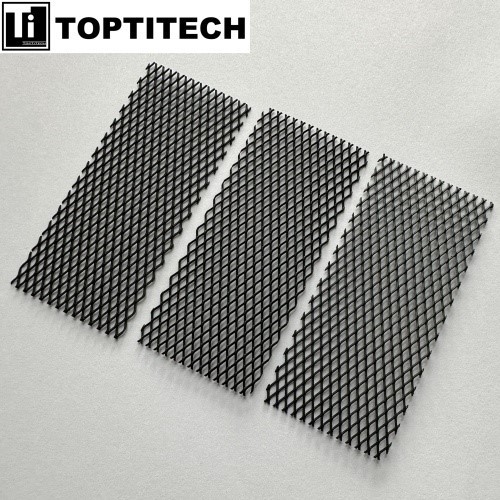
Acting as the substrate coated with a mixed metal oxide catalytic layer, titanium provides excellent conductivity, dimensional stability, and lowers cell voltage, offering substantial energy savings over traditional graphite anodes.
Critical Structural Components:
Cell bodies, headers, and piping in contact with the aggressive anolyte are fabricated from titanium alloys, guaranteeing the long-term corrosion resistance of the entire electrolyzer structure.

Brine and Caustic Systems: Comprehensive Circuit Protection
Brine Heating and Purification: Titanium pre-heaters, reactors, and transfer lines handle hot, chemically treated brine without corrosion, preventing metallic contamination that could compromise sensitive and costly ion-exchange membranes.
Caustic Evaporation and Concentration: For concentrated (≥30%) caustic soda at elevated temperatures (≥80°C), titanium evaporators, concentrators, and storage systems demonstrate reliable performance where stainless steels are prone to stress corrosion cracking.

Chlorine Processing: A Unified Material Strategy
From drying (in concentrated sulfuric acid) and compression to final transfer, titanium alloys are suitable for the entire chlorine processing train. Their dual resistance to both wet/dry chlorine and concentrated acid simplifies system design by eliminating the need for material changes at different process stages.
Titanium-Clad Steel: An Economical Design Approach
For large vessels like storage tanks and scrubber columns, titanium-clad steel plate provides a balanced solution. A 2-3mm titanium lining offers corrosion protection, while the carbon steel backing supplies structural strength at a cost significantly lower than solid titanium construction.
The Rationale for Investment: A Lifecycle Perspective
Selecting titanium alloys is a decision grounded in total lifecycle cost analysis:
Extended Operational Reliability: Equipment service life is significantly prolonged, while maintenance demands and the risk of unscheduled downtime are minimized.
Guaranteed Production and Product Quality: Uninterrupted operation is safeguarded, and the elimination of metallic ion contamination ensures the production of higher-purity end products.
Inherent Safety and Regulatory Alignment: The fundamental reduction in the risk of hazardous material leaks enhances plant safety and facilitates environmental compliance.
conclusion
The application of titanium alloys in the chlor-alkali industry conclusively demonstrates their ability to transform a higher initial capital outlay into long-term operational stability, superior product output, and a lower total cost of ownership. It represents a strategic philosophy where foundational material selection builds a fundamental and sustainable operational advantage.