

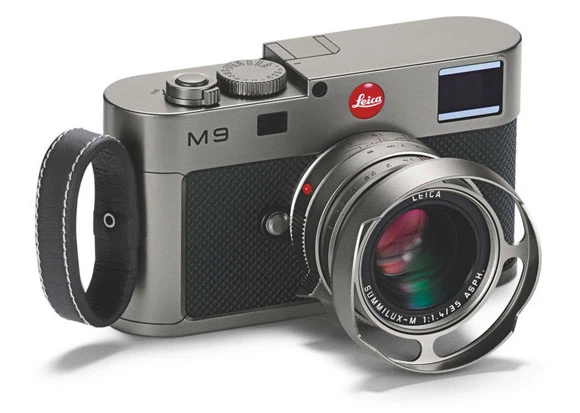
Once reserved for aerospace and medical applications, titanium is now quietly making its way into the design of high-end cameras. Its unique combination of strength, light weight, and corrosion resistance makes it an ideal material for photographers who work in demanding environments and value durability as much as performance.

A Material That Balances Performance and Aesthetics
Titanium does more than reinforce structure-it redefines the look and feel of a camera. With its soft matte finish and understated metallic tone, titanium brings a refined, premium quality to devices. For users who appreciate not just how a camera works but also how it feels in the hand, titanium adds lasting value.
Designed for the Essentials
In camera design, titanium is typically used in three key areas:
Body shell
Increases structural integrity and improves impact resistance
Lens mount
Withstands wear over time, ensuring stable connections
Internal frames
Reduces overall weight while maintaining rigidity

By upgrading these core components, manufacturers can offer cameras that are not only more resilient but also more comfortable to carry and operate.
A Quiet Shift Toward Premium Standards
The adoption of titanium reflects a broader shift in how camera makers approach materials and user experience. No longer just a technical upgrade, titanium is becoming part of the language of high-performance design-an element that signals reliability, endurance, and thoughtful engineering.


