

As sustainable energy and low-carbon economy gain momentum, interest in hydrogen as a clean energy source continues to grow. Hydrogen can be produced through various methods, including green hydrogen, grey hydrogen, blue hydrogen, yellow hydrogen, white hydrogen, and brown hydrogen. This article aims to explore these different classifications of hydrogen production and their respective environmental impacts.

Brown Hydrogen:
Brown hydrogen is produced by burning coal to generate hydrogen. Since coal is a high-carbon fossil fuel, brown hydrogen production contributes to significant carbon emissions, resulting in adverse environmental impacts.
Grey Hydrogen:
Grey hydrogen is the most common method of hydrogen production, relying on conventional fossil fuel processes such as steam methane reforming and coal gasification. Unfortunately, grey hydrogen production processes result in significant carbon dioxide emissions, which have adverse environmental effects.
Blue Hydrogen:
Blue hydrogen represents a transitional approach to reduce carbon emissions in grey hydrogen production. Similar to grey hydrogen, blue hydrogen is produced using fossil fuel processes, but it incorporates carbon capture and storage (CCS) technologies to mitigate carbon dioxide emissions. Blue hydrogen serves as an intermediate solution for carbon emission reduction, but it still relies on traditional fossil fuel sources.
Green Hydrogen:
Green hydrogen is produced through water electrolysis using renewable energy sources such as solar, wind, and hydroelectric power. This method generates no carbon dioxide emissions, making it the most environmentally friendly and sustainable way to produce hydrogen. The promotion and adoption of green hydrogen can contribute to carbon emission reduction and mitigate climate change.

Yellow Hydrogen:
Yellow hydrogen is produced by harnessing nuclear energy, either through nuclear fission or fusion, to generate hydrogen. Nuclear energy, as a clean and sustainable power source, enables yellow hydrogen production with low or zero carbon emissions.
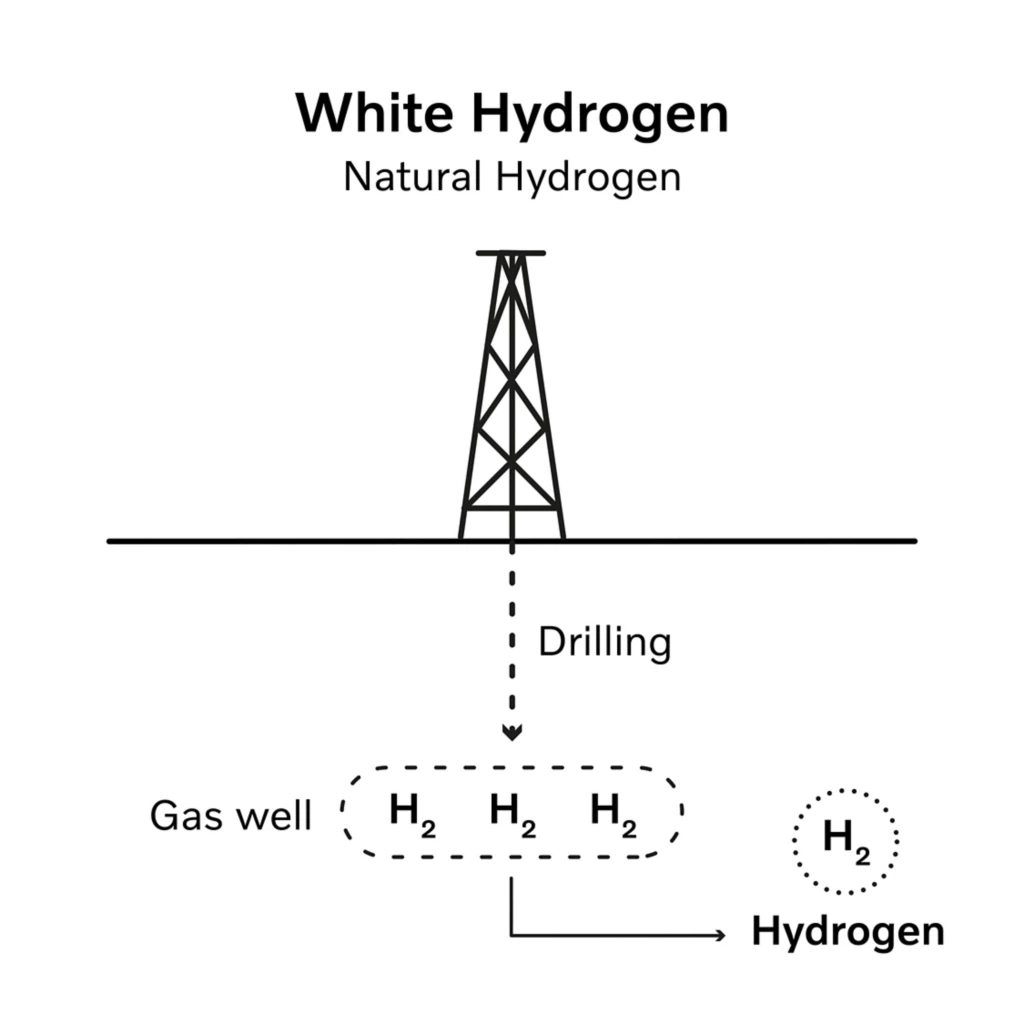
White Hydrogen:
White hydrogen is produced through fossil fuel processes, such as steam methane reforming, but with the integration of carbon capture and storage (CCS) technologies to reduce carbon emissions. White hydrogen exhibits lower carbon emissions compared to grey hydrogen, but it still relies on fossil fuel sources.
In summary, green hydrogen is considered the most environmentally friendly and sustainable production method, utilizing renewable energy sources without generating carbon emissions. Blue hydrogen serves as a transitional solution to reduce carbon emissions, while grey hydrogen, yellow hydrogen, white hydrogen, and brown hydrogen exhibit varying environmental impacts depending on the energy sources used and carbon capture technologies employed.
Choosing the appropriate hydrogen production method is crucial for driving a sustainable energy transition and reducing carbon emissions. With advancing technologies and supportive policies, the prospects for the development of green hydrogen and blue hydrogen are promising, making significant contributions to achieving climate goals and energy transition. Simultaneously, reducing reliance on grey hydrogen, and increasing investments and research in low-carbon hydrogen such as green hydrogen and blue hydrogen, will facilitate the sustainable growth of the hydrogen industry and lay the foundation for a cleaner energy system in the future.