

 Thread port confusion is one of the leading causes of filter cartridge installation failures and leakage. Threads that appear similar at a glance often belong to different standard systems with incompatible thread angles, pitches, and sealing mechanisms. The following guide from TOPTITECH distinguishes the most common thread interfaces encountered in filter applications.
Quick Reference Table
| Thread Designation | Standard System | Thread Type | Thread Angle | Sealing Principle |
| Male Thread | Generic term | Parallel or tapered | Depends on standard | Depends on type |
| Female Thread | Generic term | Parallel or tapered | Depends on standard | Depends on type |
| M20 | Metric ISO 68 | Parallel | 60° | Face/gasket seal |
| M22 | Metric ISO 68 | Parallel | 60° | Face/O-ring seal |
| M30 | Metric ISO 68 | Parallel | 60° | Face/gasket seal |
| G 1/2" | BSPP / ISO 228 | Parallel | 55° | Not in the thread; requires gasket or O-ring |
| NPT | Tapered | 60° | Thread wedging + sealant | North American hydraulic, fluid power |
Key Distinctions
1. Metric Series (M20 / M22 / M30)
Metric threads use the number to indicate the actual thread outside diameter in millimeters, with pitch measured in millimeters (e.g., M20×1.5). The 60° thread angle and parallel cylindrical form mean sealing is achieved through a face gasket or O-ring - the thread itself provides no sealing function.
2. G Thread (G 1/2")
The British Standard Parallel Pipe thread, governed by ISO 228-1. Important: the "1/2" in G 1/2" is not the outside diameter - it is the nominal pipe size. The actual outside diameter is approximately 20.955 mm. With a 55° thread angle and parallel form, the thread has no sealing capability on its own and must be used with a washer, O-ring, or face seal.
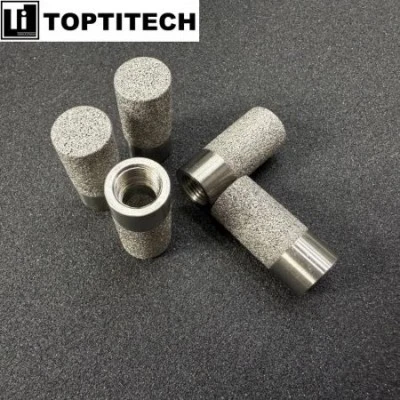
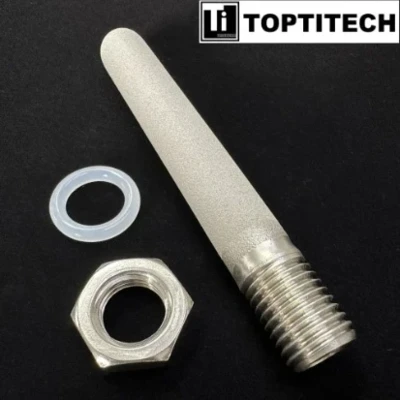
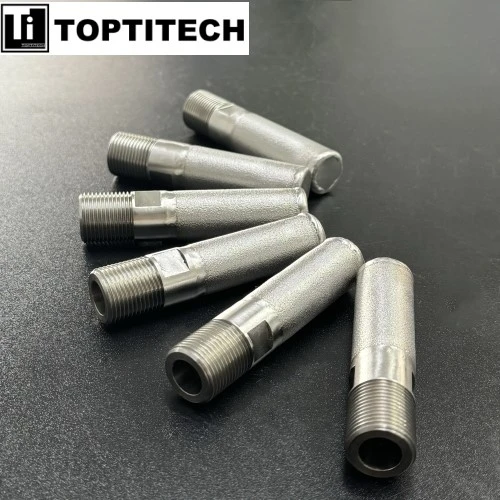
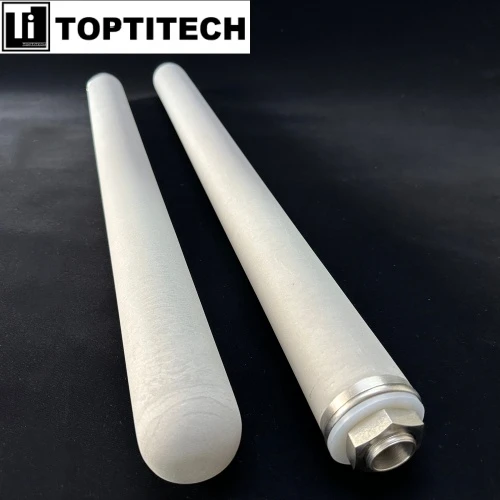
3. NPT (National Pipe Thread)
The American tapered pipe thread, standardized under ASME B1.20.1. It features a 1:16 taper, meaning the thread wedges tighter as it is screwed in. Sealing is achieved through thread interference combined with a sealant such as PTFE tape. The 60° thread angle is incompatible with the 55° G thread - mixing the two will result in seized threads or leaks.
4. Male vs Female Thread
These terms describe the installation configuration only and do not define the standard. A "male thread" could be metric parallel (M20), American tapered (NPT), or British parallel (G 1/2") - these are not interchangeable.
Selection Warnings
Never mix G and NPT: Thread angles and pitches differ; forced engagement damages threads.
Do not confuse M and G threads: The "20" in M20 is the actual 20 mm outside diameter, whereas G 1/2" has an outside diameter of approximately 21 mm. The pitch and thread profile are fundamentally different.

Parallel threads require a sealing element: Both metric and G series rely on face sealing structures. Tightening alone will not prevent leakage.