
Welding is a critical process for high-temperature alloy forgings, as the quality of welds directly affects the performance stability and service life of the entire equipment. This article explores the effective welding techniques for high-temperature alloy forgings, addressing the main challenges and providing solutions for achieving high-quality welds.
Challenges in Welding High-Temperature Alloy Forgings
Welding high-temperature alloy forgings presents several key challenges:
High Melting Point and Thermal Conductivity
High-temperature alloys possess high melting points and thermal conductivities, requiring welding processes that can provide higher energy density and longer preheating times. Overcoming these challenges is crucial to ensure proper fusion and avoid defects.
Susceptibility to Cracking
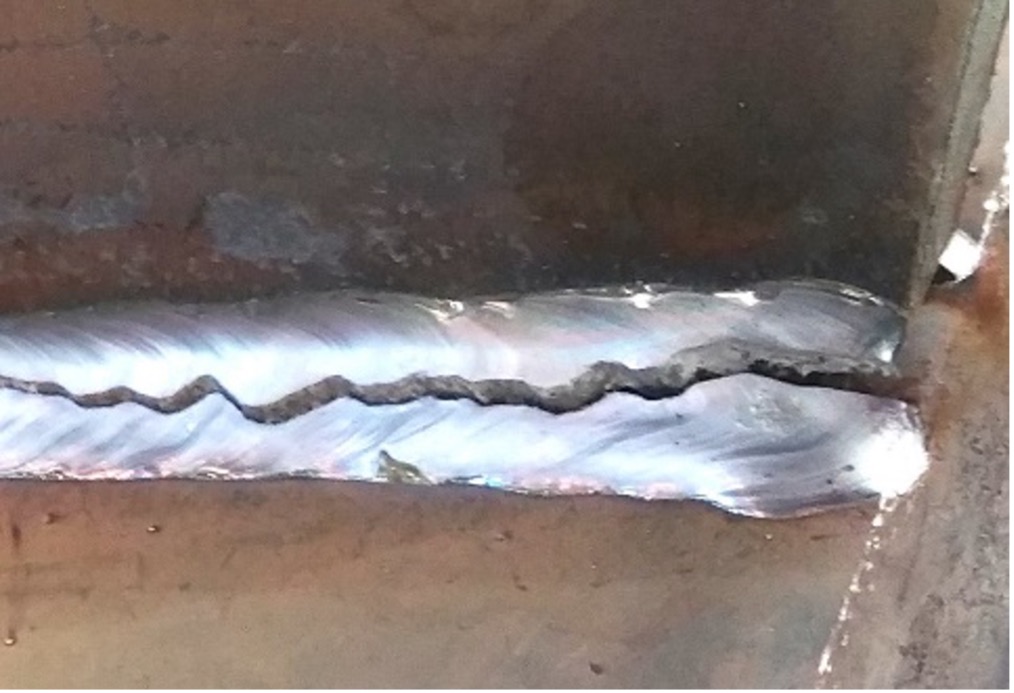
The high thermal stability of these alloys makes them prone to heat cracks and reheat cracks during welding. This necessitates stringent control over the welding process and parameters to minimize the risk of cracking and ensure weld integrity.
Sensitivity to Impurities
High-temperature alloys are sensitive to impurities, necessitating strict control over the atmosphere and the purity of the weld pool during welding. Impurities can lead to reduced mechanical properties and corrosion resistance, compromising the overall performance of the welded components.
Welding Techniques for High-Temperature Alloy Forgings
Tungsten Inert Gas (TIG) and Metal Inert Gas (MIG) Welding
TIG and MIG welding employ inert gases, such as argon, as shielding gases to create a protective atmosphere around the welding area, preventing contamination from the surrounding air. These techniques are suitable for welding high-temperature alloy forgings of various thicknesses, offering stable weld quality. However, they tend to have slower welding speeds.
![The process of welding by means of tungsten inert gas (TIG) method [14] | Download Scientific Diagram](https://www.researchgate.net/publication/311991053/figure/fig2/AS:445342505279489@1483189335431/The-process-of-welding-by-means-of-tungsten-inert-gas-TIG-method-14.png "info-1-1")
Electron Beam Welding (EBW)
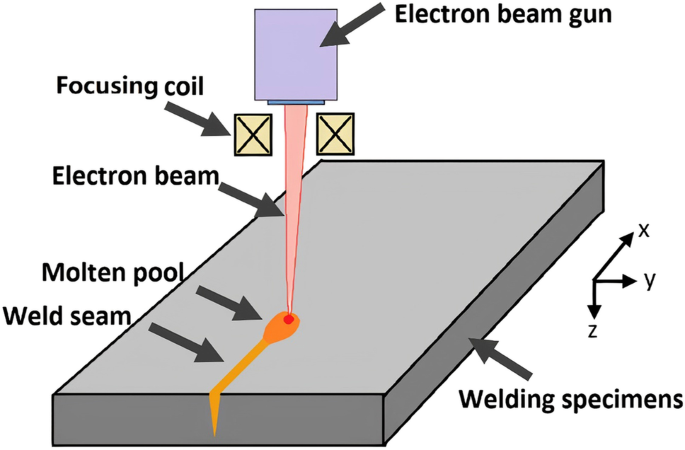
EBW is a high-energy density welding technique that utilizes an electron beam to bombard the surface of the workpiece, generating intense heat for melting and joining the materials. EBW offers fast welding speeds, small heat-affected zones, and is particularly well-suited for welding thin high-temperature alloy forgings. However, it requires significant equipment investment and demands skilled operators.
Laser Welding (LW)
Laser welding employs a focused laser beam as the heat source to melt and join the workpiece materials. LW offers fast welding speeds, narrow weld seams, and minimal heat-affected zones, making it ideal for high-precision and high-quality welding of high-temperature alloy forgings. However, laser welding equipment can be expensive, and it requires operators with advanced skills.

Friction Welding (FW)
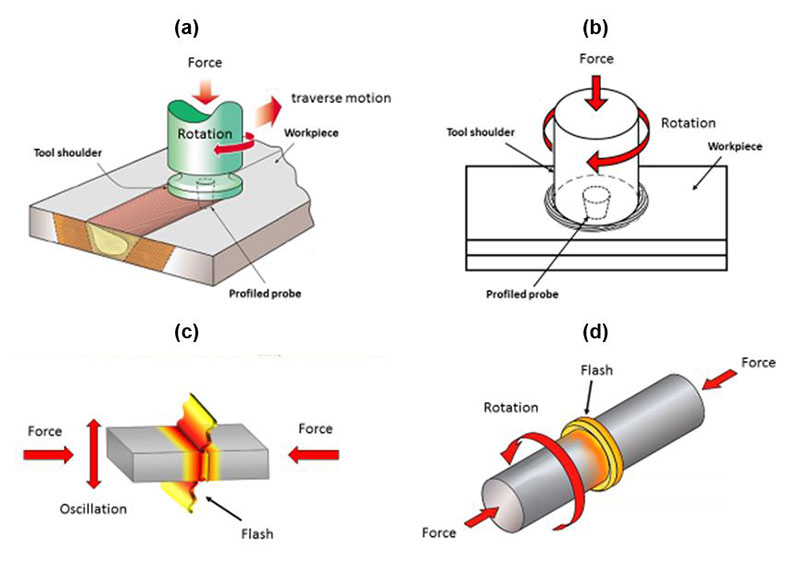
Friction welding is a joining method that utilizes heat generated by friction between the workpieces to achieve plastic deformation and connection. This technique offers short welding times and does not require filler materials, making it suitable for rapid joining of high-temperature alloy forgings. However, friction welding imposes certain requirements on workpiece dimensions and shapes, and the welding quality can be significantly influenced by the friction conditions.
The welding of high-temperature alloy forgings presents unique challenges due to their high melting points, thermal conductivities, susceptibility to cracking, and sensitivity to impurities. Various welding techniques, such as TIG/MIG welding, electron beam welding, laser welding, and friction welding, offer solutions to overcome these challenges. The selection of the appropriate welding technique depends on factors such as the thickness of the forgings, desired welding speed, and the need for precise and high-quality welds.