
As the global energy structure accelerates its transition toward clean and low-carbon solutions, hydrogen energy stands as a critical enabler for achieving carbon neutrality goals, ushering in a historic period of development. Fuel cells and electrolyzers, the core components of hydrogen technology, rely fundamentally on innovations in key materials for their performance and longevity.
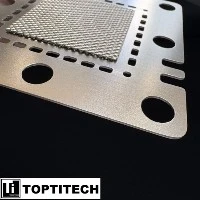
Among these, the diffusion layer (gas diffusion layer, GDL) and flow field plates (bipolar plates) serve multiple functions-including uniform gas distribution, electron conduction, heat management, and corrosion resistance-acting as the "heart" of the stack's efficiency and stability.
Breakthrough Advantages of High-Performance Porous Metal Materials

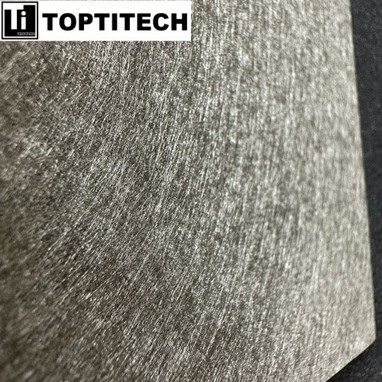

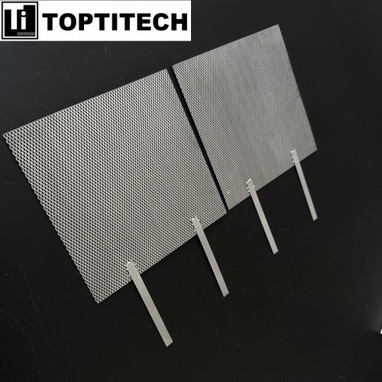
Porous metal materials based on titanium (Ti), nickel (Ni), and their alloys-such as titanium felt, nickel felt, and sintered porous titanium plates-are emerging as ideal choices for next-generation diffusion layers and flow field plates. These materials, produced via precision powder metallurgy or fiber sintering processes, allow precise control over pore size, porosity, and permeability. This enables optimization of mass transport pathways for reactive gases (H₂, O₂) and liquid water/electrolytes, preventing local hot spots or flooding phenomena and significantly enhancing the uniformity and efficiency of electrochemical reactions.
Integrated Functionality: From Materials to Systems
Uniform Gas Distribution and Efficient Mass Transport: The highly controllable pore gradient and tortuosity of porous metal structures ensure homogeneous diffusion of reactive gases across the entire active area, while facilitating rapid removal of product water or gases to avoid blockage and concentration polarization.
High Conductivity and Low Interfacial Contact Resistance
Through surface modification or alloying treatments, porous metal materials maintain their porous architecture while achieving low-resistance contact with catalyst layers or current collectors, reducing ohmic losses and improving energy output.
Exceptional Corrosion Resistance and Long Service Life
In acidic fuel cell environments (PEMFC) or strong alkaline/high-potential conditions in electrolyzers, titanium and nickel-based materials can form stable passive films in situ or leverage noble metal coating technologies to achieve corrosion resistance lasting tens of thousands of hours, far surpassing traditional materials.
Mechanical Strength and Thermal Management
The porous metal skeleton combines high stiffness and toughness, withstanding stack assembly pressures and thermal cycling stresses during operation. Its high thermal conductivity also supports rapid heat dissipation, maintaining system temperature balance.
TOPTITECH: Advancing Porous Metal Materials to Empower Hydrogen Technology Innovation
As a leading manufacturer specializing in sintered porous metal components, TOPTITECH leverages decades of expertise in powder metallurgy and fiber sintering to provide high-performance, customized solutions-including titanium felt, nickel felt, and composite-structure diffusion layers/flow field plates-for fuel cell and electrolyzer applications. Through microstructural design (e.g., gradient pores, double/multi-layer composites), surface functionalization (conductive anti-corrosion coatings), and strict quality control, we ensure product reliability and consistency under extreme operating conditions.
Conclusion
In the wave of hydrogen energy scaling, material innovation lies at the core of cost reduction, efficiency improvement, and lifespan extension. Porous metal diffusion layers and flow field plates, as key enablers of stack performance enhancement, are transitioning from laboratory research to the industrial forefront.
TOPTITECH remains committed to the integrated optimization of material-structure-performance relationships, partnering with global collaborators to push the boundaries of clean energy systems and deliver enduring momentum toward a carbon-neutral future.