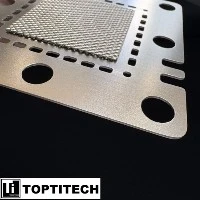

Key Attributes of Perforated Titanium Plates
In the dynamic landscape of electrochemical processes, a notable departure from conventional materials is witnessed through the integration of perforated titanium plates in electrolytic cells. This innovative technology brings a myriad of benefits, establishing itself as a cornerstone across industries ranging from metal production to water treatment.

team Corrosion Resistance
The foundation of perforated plates lies in titanium's exceptional resistance to corrosion, making them indispensable in electrolytic cells where corrosive environments are inherent.
team Enhanced Mass Transfer
Perforations contribute to improved mass transfer efficiency, facilitating the movement of ions and fluids through the electrode and enhancing the overall electrolytic process.


Thermal Conductivity:
Titanium's good thermal conductivity ensures efficient heat dissipation within the electrolytic cell, a crucial factor in processes where temperature control is paramount.
Longevity and Durability
Corrosion resistance and inherent durability result in prolonged service life for perforated plates, reducing downtime and maintenance costs in industrial applications.

applications
Metal Production
In the electrolytic production of metals like copper, zinc, and aluminum, perforated titanium plates serve as efficient electrodes, withstanding corrosive electrolytes.s.
Chlor-Alkali Industry
As anodes and cathodes in electrolysis for chlorine, sodium hydroxide, and hydrogen production, perforated titanium plates ensure efficient ion transfer.
Electrowinning
Acting as effective electrodes, perforated titanium plates contribute to electrowinning processes, extracting metals from solutions through electroplating or recovery.
Water Treatment
Utilized in electrolytic water treatment systems, perforated titanium plates aid in processes like electrocoagulation, ensuring the removal of contaminants for clean water.

Sustainability:
Perforated titanium plates align with sustainability goals, especially in hydrogen production processes, contributing to a cleaner and greener future.
Energy Efficiency:
Optimized mass transfer and electrode design enhance energy efficiency in electrolytic cells, reducing overall energy consumption in electrochemical processes.
Advanced Electrode Design:
Ongoing research focuses on refining perforated titanium plate designs for specific applications, tailoring perforation patterns and sizes for optimal performance.
Cross-Industry Impact:
The versatility of perforated titanium plates extends their impact across multiple industries, signifying a paradigm shift in electrochemical technologies.