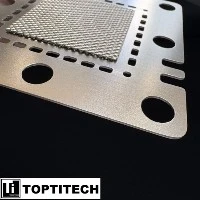

Titanium flanges are connectors made of titanium alloy commonly used in piping and equipment connections. Due to the high strength, corrosion resistance, and lightweight nature of titanium alloys, titanium flanges find wide applications in aerospace, chemical, and marine engineering fields. When the lifespan of titanium flanges ends or replacement is required, they can be recycled and reutilized to minimize resource wastage.

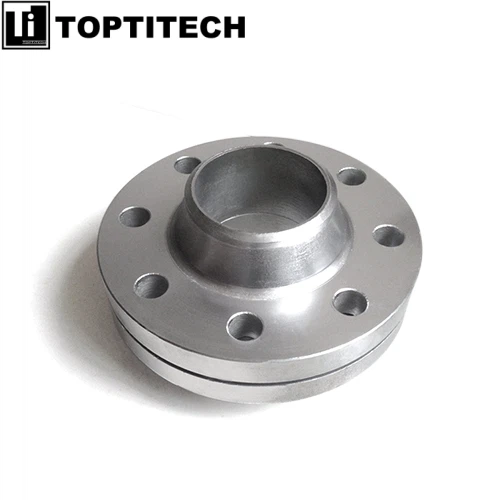

Here are the general steps involved in the recycling and reutilization of titanium flanges:
1
Collection and Sorting
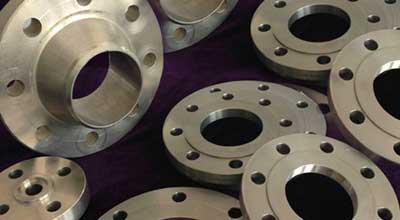
Waste titanium flanges are collected and sorted based on their specifications, sizes, and materials to facilitate subsequent processing steps.

2
Cleaning and Treatment
The waste titanium flanges undergo cleaning and treatment processes to remove impurities and contaminants that may adhere to their surfaces. Physical, mechanical, or chemical methods can be employed for this purpose.

3
Cutting and Decomposition
The waste titanium flanges are cut and decomposed using mechanical tools, thermal cutting, or chemical methods. Decomposition helps break down the flanges into smaller components, enabling further reutilization.
4
Reprocessing and Manufacturing
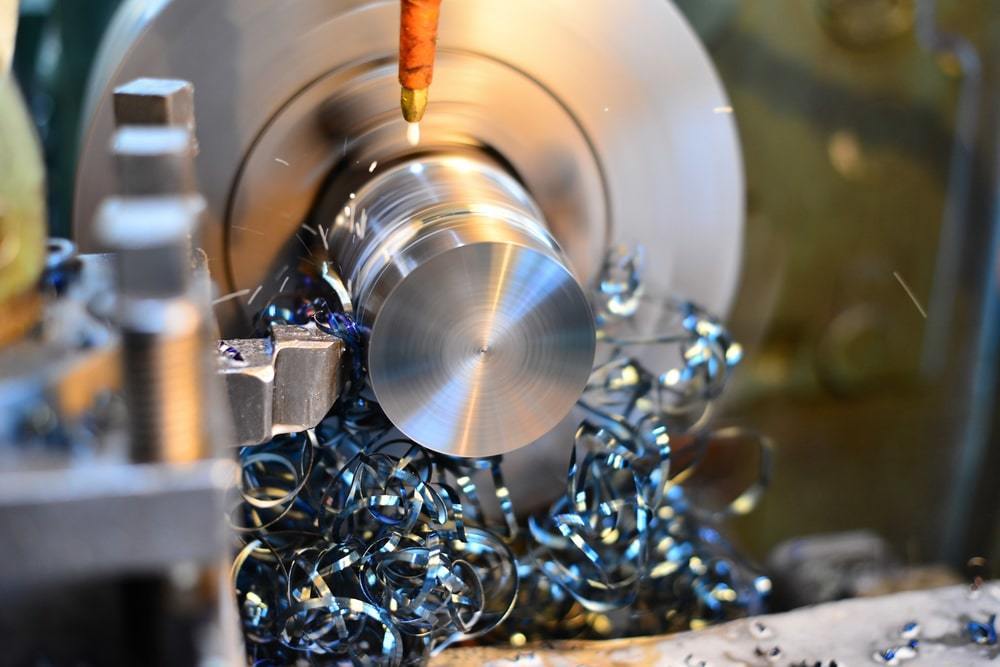
The decomposed titanium flange components can be reprocessed and manufactured to produce new titanium alloy products. This may involve techniques such as melting, casting, forging, machining, and welding to transform the discarded titanium flanges into new titanium alloy materials and products.

5
Quality Testing and Certification
The reutilized titanium flange products undergo quality testing and certification to ensure compliance with relevant standards and requirements. Material analysis, mechanical performance testing, corrosion resistance testing, and other evaluations may be conducted.
Through the aforementioned recycling and reutilization processes, waste titanium flanges can be effectively utilized, reducing resource wastage and minimizing environmental impact. Additionally, the recycling and reutilization of titanium flanges contribute to cost reduction in new material production and promote sustainable development.