
Sintered titanium porous plates and sintered porous titanium felt are two types of porous materials created from titanium using a process called sintering. However, there are distinctions between the two:
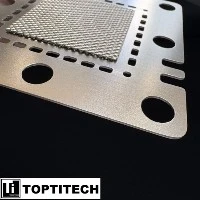
Structure: Sintered titanium porous plates typically have a solid and flat structure, resembling a plate or sheet. On the other hand, sintered porous titanium felt has a fibrous or felt-like structure.
Pore Size and Distribution: Sintered titanium porous plates usually possess uniform and controlled pore sizes, which can be customized based on specific requirements. The pore size distribution is generally consistent throughout the plate. Conversely, sintered porous titanium felt often exhibits a more random pore size distribution due to its fibrous structure.

Thickness and Flexibility: Sintered titanium porous plates are relatively thick and rigid, intended to provide structural support and filtration capabilities. They are commonly utilized as filters, catalyst supports, or diffusion media. In contrast, sintered porous titanium felt is thinner and more flexible due to its fibrous nature. It finds applications where conformability and flexibility are needed, such as gaskets, seals, or as a component in electrodes.
Surface Area: Sintered porous titanium felt typically exhibits a higher surface area compared to sintered titanium porous plates. The fibrous structure provides more surface area for interactions or reactions with gases or liquids, making it suitable for applications like gas diffusion electrodes or catalytic supports.
Ultimately, the choice between sintered titanium porous plates and sintered porous titanium felt depends on the specific requirements of the application. Factors such as pore size, structure, flexibility, and surface area will determine which material is more suitable for a particular use case.