

When evaluating materials for aerospace applications, SUS316L powder is compared to other options based on specific properties and application requirements. Here is a comparison of SUS316L powder with commonly used materials in the aerospace industry:
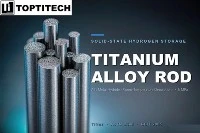
Titanium alloys: Titanium alloys are valued for their high strength-to-weight ratio, excellent corrosion resistance, and good heat resistance. Compared to SUS316L powder, titanium alloys offer superior strength and lighter weight, making them suitable for weight-critical applications. However, SUS316L powder excels in corrosion resistance, especially in aggressive environments.
Aluminum alloys: Aluminum alloys are lightweight and possess good strength, making them popular in aerospace applications where weight reduction is a priority. However, when compared to SUS316L powder, aluminum alloys have lower corrosion resistance and may require additional surface treatments or coatings to protect against corrosion.
Nickel-based superalloys: Nickel-based superalloys exhibit exceptional strength at high temperatures, resistance to creep, and oxidation resistance. They are commonly utilized in components subjected to extreme temperatures, such as turbine blades. While SUS316L powder may not match the elevated temperature properties of superalloys, it offers superior corrosion resistance and can be a cost-effective alternative in specific applications.

Carbon fiber composites: Carbon fiber composites are lightweight materials with high strength-to-weight ratios. They are extensively employed in aerospace applications to achieve weight reduction. However, carbon fiber composites may have lower impact and damage resistance compared to metallic materials like SUS316L powder.
It is crucial to note that material selection in the aerospace industry involves a comprehensive assessment of various factors, including mechanical properties, corrosion resistance, weight, cost, manufacturing feasibility, and specific application requirements. Different materials may be chosen based on these factors to optimize performance and meet safety standards.