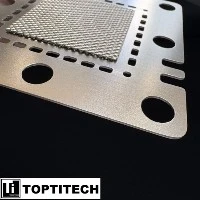


Porous titanium plates are widely used in various industrial sectors, including medical devices, aerospace, and chemical engineering. In certain applications, it is necessary to perform single-side coating on porous titanium plates, such as platinum, ruthenium-iridium, and iridium-tantalum coatings. However, achieving adequate penetration in single-side coatings poses a challenge. This article explores two primary processes, electroplating and brush coating, to address the issue of penetration in single-side coatings on porous titanium plates, analyzing their respective advantages in solving the problem.
Advantages of the Electroplating Process
 The electroplating process offers significant advantages in solving penetration issues in single-side coatings on porous titanium plates. Electroplating involves the electrochemical deposition of metal coatings on the surface and pores of the porous titanium plate. Here are the key advantages of the electroplating process:
- Penetration: Electroplating enables better penetration into the pores and crevices of porous titanium plates. Metal ions evenly distribute and deposit as a coating under the influence of electric current, effectively filling the voids of the porous structure.
- Adhesion: Due to the thorough penetration of metal ions into the porous titanium plate, electroplated coatings exhibit high adhesion. The coating forms a strong bond with the substrate, enabling resistance to various environmental conditions and mechanical stresses.
- Uniformity: Electroplated coatings provide consistent coating thickness and uniformity. By controlling the parameters of the electroplating process, the coating can be evenly distributed, reducing the occurrence of penetration issues.
Limitations of the Brush Coating Process
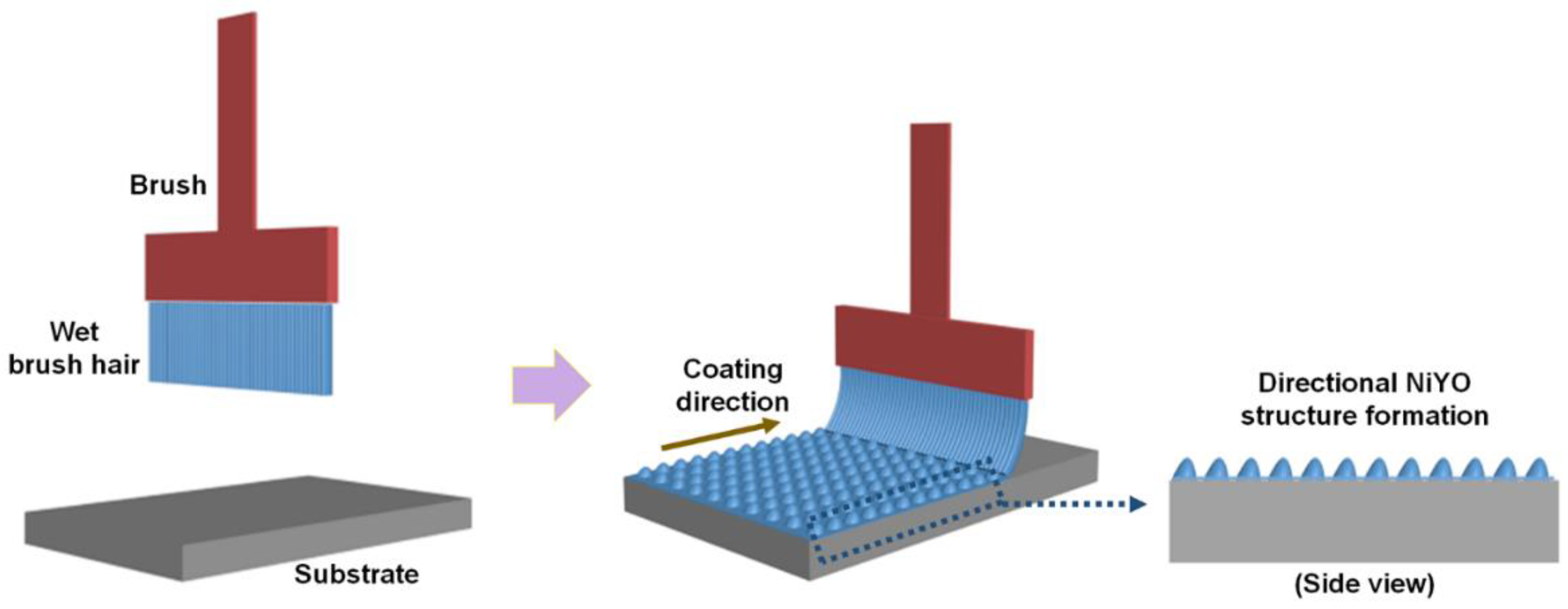
In comparison, the brush coating process has certain limitations in addressing penetration issues in single-side coatings on porous titanium plates. Brush coating involves directly applying the coating material onto the surface of the porous titanium plate. Here are the limitations of the brush coating process:
- Penetration Constraints: Brush coating relies on the proper penetration of the coating material into the pores of the porous titanium plate. However, the viscosity and flow properties of the coating material may limit its ability to penetrate effectively within the porous structure.
- Uniformity Challenges: Unlike the electroplating process, brush coating cannot uniformly fill the pores with the coating material through the influence of electric current. This may result in poor penetration of the coating on the porous titanium plate. Achieving coating uniformity and appropriate thickness control can be challenging with brush coating.
When addressing penetration issues in single-side coatings on porous titanium plates, the electroplating process generally outperforms the brush coating process. Electroplating provides better penetration, adhesion, and coating uniformity. Through the electrochemical deposition method, metal ions evenly distribute and fill the pores and crevices of the porous titanium plate. However, the selection of the coating process should consider specific requirements, process feasibility, costs, and process control. In certain specific cases, brush coating may still be a viable option. For brush coating, selecting coatings with lower viscosity and good penetration properties, while ensuring coating uniformity and appropriate thickness, can enhance its effectiveness in addressing penetration issues.
In conclusion, for addressing penetration issues in single-side coatings on porous titanium plates, the electroplating process is generally the preferred choice. It provides better penetration, adhesion, and coating uniformity, effectively solving the problem of penetration in single-side coatings. However, the specific coating process selection should be evaluated based on specific requirements and conditions, considering coating performance, process feasibility, costs, and process control factors to choose the most suitable coating process.