
Titanium alloys are widely used in various industries due to their high strength, excellent thermal stability, elevated temperature strength, chemical reactivity, and low thermal conductivity. However, the unique properties of titanium alloys make them one of the most challenging materials to machine and grind.
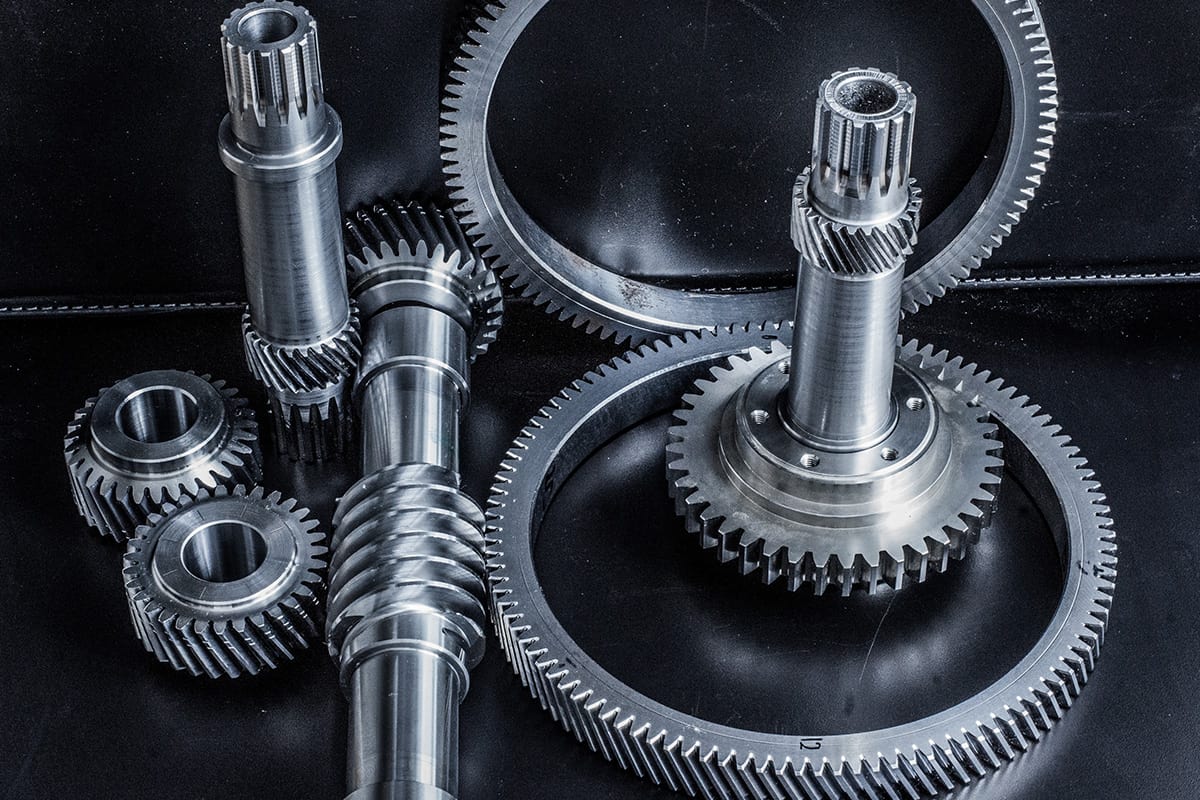
Bonding Issues with Grinding Wheels
During the grinding process, titanium alloy particles adhere to the surface of the grinding wheel, causing severe bonding issues. As a result, the bonded layer, along with the abrasive grains, tends to dislodge during subsequent grinding operations, leading to significant damage to the grinding wheel.
Solution
To mitigate bonding problems, it is crucial to address the heat dissipation issue. Enhanced cooling measures such as optimizing coolant flow, using high-quality grinding wheels, and controlling grinding speeds can help minimize heat buildup and reduce the likelihood of particle adhesion. These measures promote effective chip evacuation and prevent excessive temperature rise, thus preserving the integrity of the grinding wheel.

Thermal Damage, Deformation, and Cracking of Workpieces
Titanium alloys exhibit increased hardness at higher temperatures, necessitating higher grinding forces. This generates excessive heat, which is challenging to dissipate due to the low thermal conductivity of titanium alloys. Consequently, the workpieces are prone to thermal damage, deformation, and the formation of cracks.
Solution
Efficient heat dissipation is the key to addressing thermal issues during grinding. Optimal cooling and lubrication techniques are essential to control the temperature rise and prevent thermal damage. By improving the cooling system, regulating coolant flow, and utilizing appropriate grinding parameters, it is possible to maintain the workpiece temperature within a safe range, reducing the risk of thermal damage, deformation, and cracking.
Suitable Abrasives for Titanium Alloy Grinding
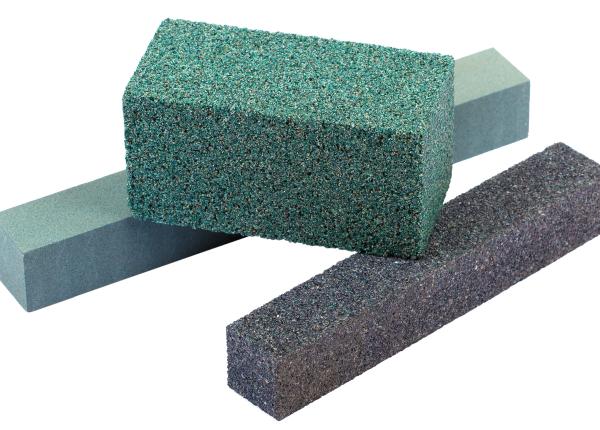
Considering that titanium alloys are non-ferrous metals, suitable abrasives for grinding include silicon carbide (SiC), green silicon carbide (GreenSiC), and diamond abrasives. These abrasives exhibit favorable characteristics, such as reduced adhesion to titanium alloys, minimizing the occurrence of thermal damage and cracking. Among them, green silicon carbide is commonly preferred for grinding titanium alloys.
Grinding titanium alloys presents challenges such as bonding issues with grinding wheels and the potential for thermal damage, deformation, and cracking of workpieces due to the unique properties of these materials. However, by implementing effective solutions, such as optimizing heat dissipation, enhancing cooling methods, and using suitable abrasives, these challenges can be overcome. Proper control of grinding parameters, coolant flow, and grinding speeds is essential to ensure successful and efficient titanium alloy grinding while preserving the integrity and quality of the workpieces.