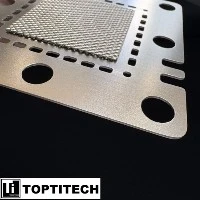

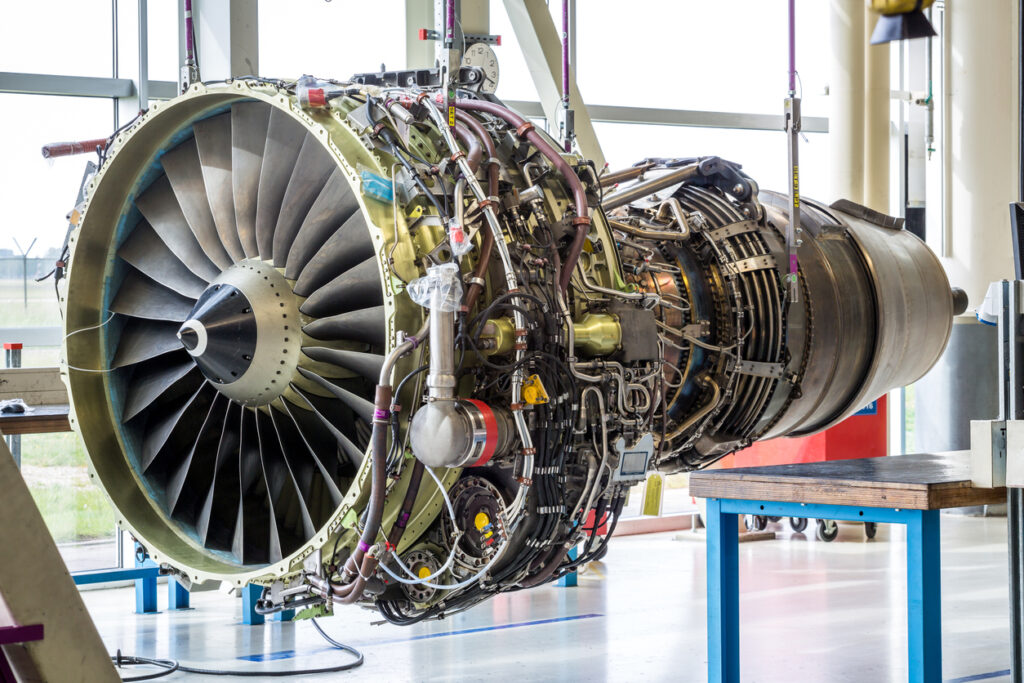
Titanium alloy blades have become indispensable components in various industries such as aviation, aerospace, automotive, and medical devices due to their high strength, stiffness, low density, and excellent corrosion resistance. However, the unique physical properties of titanium alloys, such as high thermal expansion coefficient, difficulty in machining, and susceptibility to wear, pose numerous challenges in the manufacturing process.
Advanced Machining Methods for Titanium Alloy Blades
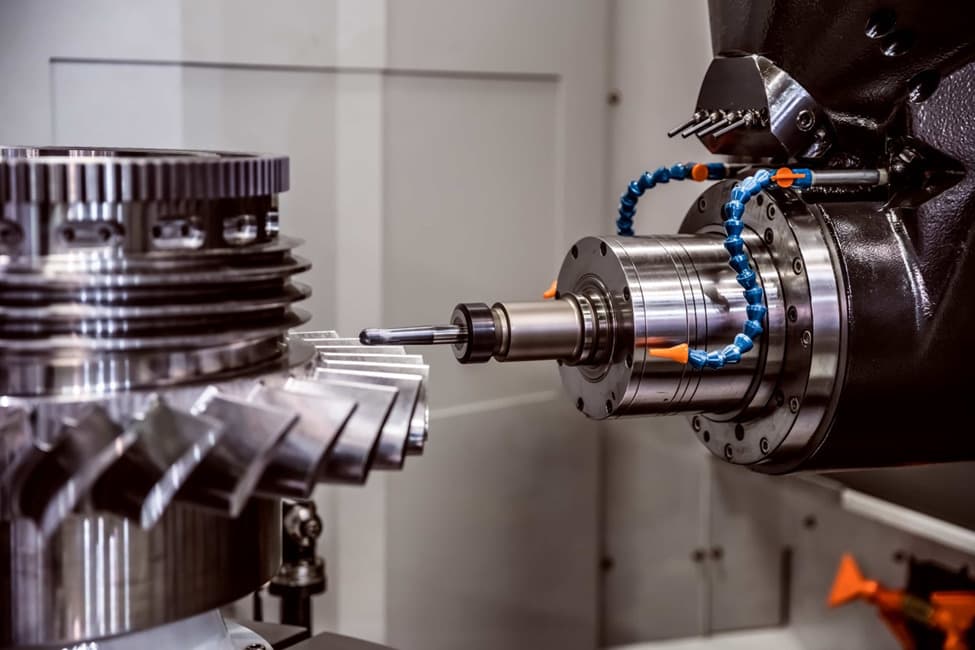
Precision Machining
Precision machining techniques, including turning, milling, drilling, and grinding, are commonly used for titanium alloy blade manufacturing. While these methods exhibit high efficiency when dealing with simple-shaped components, the challenging machinability of titanium alloys remains a significant issue. Rapid tool wear and the requirement for high surface quality pose significant challenges. It is crucial to pay special attention to safety operations to prevent tool breakage or workpiece deformation.
Chemical Machining
Chemical machining technologies, such as etching, electrochemical machining, and waterjet cutting, offer new approaches to the precise processing of titanium alloy blades. These methods demonstrate unique advantages when manufacturing complex curved components, with minimal material loss and high efficiency. However, chemical machining requires strict control of process parameters and environmental conditions, demanding complex operational techniques and enhanced safety precautions to ensure production safety.
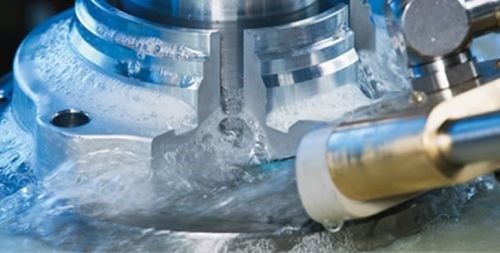
Electrical Machining
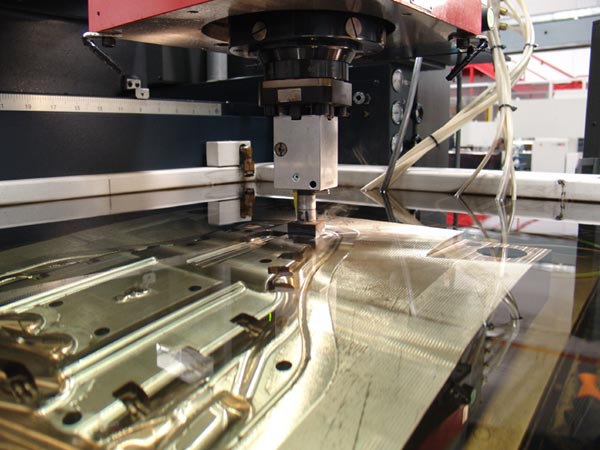
Electrical machining techniques, particularly electrical discharge machining (EDM) and electrochemical machining (ECM), have gained prominence in the processing of titanium alloy blades due to their high precision, efficiency, and automation capabilities. These methods excel in handling components with intricate curves and microstructures. However, they entail relatively higher costs and necessitate the selection of suitable machining methods based on the specific physical properties of titanium alloys and working conditions.
The Professional Significance of Titanium Alloy Blade Processing
Aerospace Industry
Titanium alloy blades find extensive application in the aerospace industry, particularly in aircraft engines and gas turbine components. The ability to manufacture complex aerodynamic profiles with high strength and low weight makes titanium alloy blades ideal for improving fuel efficiency and enhancing aircraft performance. Advanced machining methods ensure the production of blades with precise geometries and optimal surface finishes, meeting the stringent quality requirements of the aerospace sector.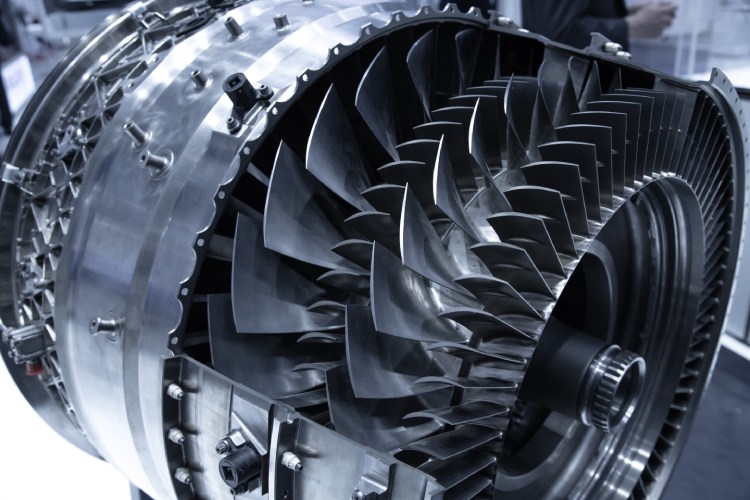
Medical Devices
In the medical field, titanium alloy blades are utilized in surgical instruments, implants, and prosthetics due to their biocompatibility and corrosion resistance. The precise machining of titanium alloy blades guarantees the production of medical devices with accurate dimensions and smooth surfaces, facilitating their integration with the human body and ensuring long-term durability.
Automotive Sector
The automotive industry benefits from the use of titanium alloy blades in various components, such as turbochargers, exhaust systems, and suspension systems. The excellent strength-to-weight ratio of titanium alloys contributes to improved performance, fuel efficiency, and reduced emissions. The application of advanced machining techniques enables the production of intricate blade designs, leading to enhanced functionality and reliability in automotive applications.