Titanium, a highly reactive metal, exhibits a strong affinity for gases like oxygen, hydrogen, and nitrogen at high temperatures. Controlling the absorption and dissolution of these gases during titanium welding is crucial to prevent welding difficulties.
In recent years, significant advancements have been made in welding practices in China, particularly in pipeline engineering. Titanium welding, a commonly used method, necessitates precise quality control to ensure optimal weld seam color, which plays a vital role in assessing welding quality. The intuitive nature of titanium weld seam color makes studying its correlation with welding quality paramount.
I. Influence of Titanium Characteristics on Welding
- Impact of Oxygen and Nitrogen: Oxygen and nitrogen solubilize in titanium, leading to lattice distortion, increased deformation resistance, higher strength, and hardness, but reduced ductility and toughness. Oxygen and nitrogen presence in weld seams is unfavorable and should be mitigated.
- Influence of Hydrogen: Increased hydrogen content drastically reduces the impact toughness of titanium weld metal, slightly lowers plasticity, and hydrogenation can induce joint brittleness.
- Impact of Carbon: At room temperature, carbon dissolves in titanium in interstitial form, enhancing strength while reducing plasticity. Excessive carbon can form hard and brittle TiC, leading to crack formation. National standards dictate that carbon content in titanium and its alloys should not exceed 0.1%. Contaminants like oil residue can increase carbon content during welding, necessitating thorough cleaning.
II. Analysis of Titanium Weldability
Titanium exhibits good weldability due to its low thermal conductivity (0.041 Cal/℃·cm·s), melting only within the arc burning range with excellent fluidity. Its low coefficient of thermal expansion (8.6×10⁻⁶/℃) compared to carbon steel significantly enhances weldability.
III. Relationship Between Titanium Weld Seam Color and Weld Quality
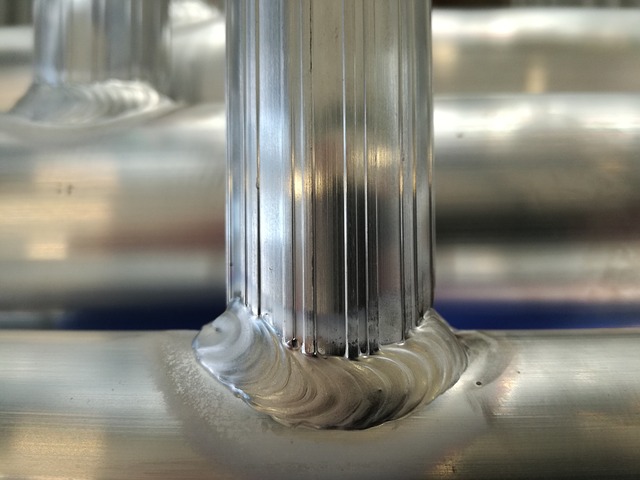
- Color Variation and Defect Mechanism: During titanium pipe welding, the argon gas shield from the welding torch protects the molten pool from air but does not shield solidified yet hot weld seams and nearby areas. Unprotected areas retain a strong affinity for absorbing nitrogen and oxygen. Color changes in titanium weld seams signify varying oxidation levels, with reduced weld seam ductility. Color progression: Silver-white (no oxidation), gold-yellow (mild oxidation, TiO, titanium starts absorbing hydrogen around 250℃), blue (Ti2O3, moderate oxidation), gray (TiO2, severe oxidation).
- Quality Assessment through Weld Seam Color: Experimental evidence demonstrates that as weld seam color deepens, indicating increased oxidation levels, hardness also rises. Increased hardness in titanium welds suggests elevated harmful substances like oxygen and nitrogen, significantly compromising welding quality.

IV. Key Considerations for Titanium Welding
- Based on the aforementioned research, critical considerations during titanium welding include:
- Strict protection of welding and post-weld high-temperature areas to prevent air ingress that could adversely affect weld quality. Hence, the use of 99.99% pure argon and trailing shields is essential.
- Mechanical machining (avoiding grinding methods) for weld groove preparation.
- Avoiding spot welding and opting for high-frequency arc initiation.
- Avoiding post-weld heat treatment; if necessary, heat treatment temperature should be below 650℃.
In conclusion, quality control in titanium welding significantly impacts weld seam color, which in turn can be utilized to assess welding quality effectively. This intricate relationship underscores the importance of meticulous welding practices for optimal welding outcomes.