
Titanium alloys play a crucial role in aerospace, defense, and chemical industries due to their exceptional strength-to-weight ratio, corrosion resistance, and thermal stability. Among various titanium alloys, TA2 and TA18 exhibit distinct thermophysical properties, particularly in terms of specific heat capacity. Understanding their heat absorption and dissipation behavior under thermal loads enables engineers to optimize material selection for high-performance applications.
Definition and Engineering Significance of Specific Heat Capacity
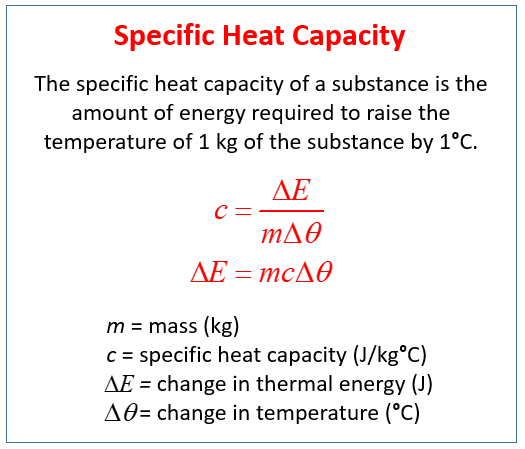
Specific heat capacity (Cp) quantifies the thermal energy required to raise the temperature of a unit mass of material by one degree Kelvin. In engineering applications, Cp influences thermal conductivity, heat dissipation efficiency, and temperature stability in high-temperature environments. For metallic materials, specific heat capacity directly affects phase transitions, thermal expansion coefficients, and overall thermal management strategies in critical components.
Material Composition and Structural Properties
- TA2 Titanium Alloy
TA2, classified as commercially pure titanium (CP-Ti), contains over 99% titanium with minimal alloying elements. This composition results in high ductility, excellent corrosion resistance, and a relatively stable specific heat capacity. Its low density and superior oxidation resistance make it ideal for marine engineering, chemical processing equipment, and aerospace structural components.
- TA18 Titanium Alloy
TA18, an alpha-beta titanium alloy, incorporates aluminum (Al) and molybdenum (Mo) to enhance mechanical properties. Compared to TA2, TA18 exhibits higher tensile strength, improved hardness, and greater thermal stability under cyclic heating conditions. These characteristics ensure its suitability for aerospace propulsion systems, military-grade components, and high-performance structural applications.
Comparative Analysis of Specific Heat Capacity
Titanium alloys generally exhibit specific heat capacities ranging between 0.5 and 0.6 J/g·K. Variations in Cp arise due to elemental composition differences, lattice structure modifications, and phase transformations at elevated temperatures.
- TA2 Alloy: Higher Cp compared to TA18 due to its near-pure titanium composition, allowing for greater thermal energy absorption per unit mass. This property enhances thermal buffering capability, reducing temperature fluctuations in dynamic thermal environments.
- TA18 Alloy: Lower Cp attributed to the presence of Al and Mo, which refine microstructural stability while slightly reducing heat absorption capacity. However, this composition enhances mechanical integrity and thermal fatigue resistance, making it preferable for high-temperature load-bearing applications.
Impact of Specific Heat Capacity on Material Performance
Thermal Regulation and Heat Management
- TA2: Higher Cp enables gradual temperature rise, reducing thermal stress concentrations and mitigating expansion mismatches in multi-material assemblies.
- TA18: Lower Cp facilitates rapid heat dissipation, optimizing operational efficiency in thermally intensive environments such as jet engines and high-speed aerospace structures.
Selection Criteria for Engineering Applications
- High Cp Materials (e.g., TA2): Suitable for applications requiring thermal stability and gradual heat absorption, such as chemical reactors, heat exchangers, and aerospace skins.
- Low Cp Materials (e.g., TA18): Preferred in applications demanding rapid heat transfer and mechanical robustness under fluctuating temperatures, including propulsion systems, military armor, and high-performance structural frameworks.
Industrial Applications of TA2 and TA18
Aerospace and Defense
- TA2: Used in non-load-bearing aerospace structures where thermal buffering and oxidation resistance are critical.
- TA18: Integrated into high-stress components such as turbine blades, exhaust nozzles, and heat shields, benefiting from its enhanced strength and moderate Cp.
Chemical Processing Equipment
- TA2: Deployed in corrosive environments due to its superior resistance to acidic and saline conditions, ensuring extended service life in reactors and piping systems.
- TA18: Applied in pressure vessels requiring both corrosion resistance and high mechanical strength under thermal cycling conditions.
Military and High-Performance Engineering
- TA2: Utilized in structural reinforcements where thermal resistance impacts operational durability.
- TA18: Preferred for ballistic armor, missile casings, and heat-resistant weapon components due to its optimal balance between strength and thermal conductivity.
Conclusion
Specific heat capacity plays a pivotal role in determining the thermal efficiency and mechanical stability of titanium alloys in high-performance applications. TA2, with its higher Cp, provides superior thermal buffering, while TA18, with its enhanced strength and lower Cp, excels in heat-intensive environments. Selecting the appropriate alloy based on thermal and mechanical criteria ensures optimal performance across aerospace, chemical, and defense industries.