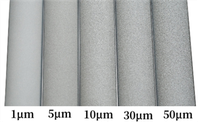
In the realm of aerospace, aviation, and marine industries, titanium materials stand as pivotal assets due to their unique physical and chemical properties. To enhance their performance and longevity, surface treatments are imperative. Among these, sandblasting emerges as a prevalent method.
Sandblasting harnesses compressed air to propel abrasive materials (such as copper ore sand, quartz sand, diamond dust, iron sand, marine sand) onto the surface of the workpiece at high velocities. This abrasive impact alters the surface morphology, achieving effects like cleansing, burr removal, and roughness enhancement.
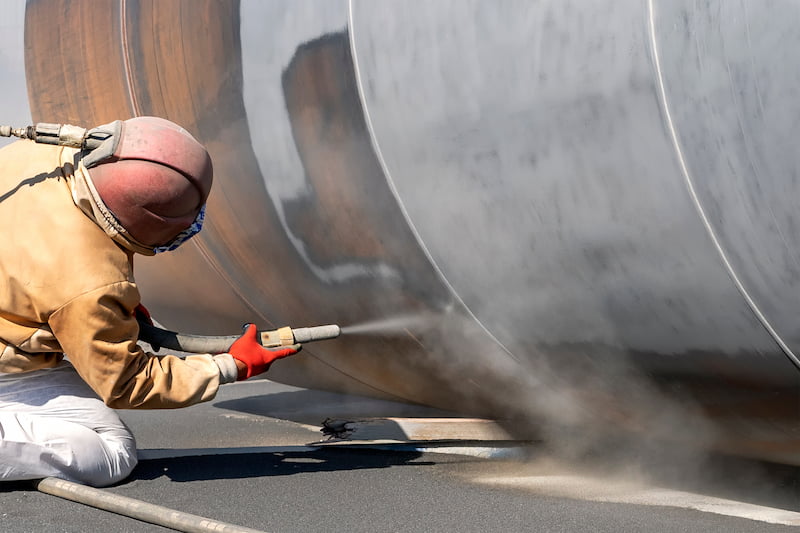
The primary objectives of sandblasting titanium materials encompass the following facets:
Machined part burr removal and surface refinement: Eliminating residual defects like oxide layers, sintering layers, pores, and burrs, thereby rendering surfaces smoother and cleaner.
Enhancement of mechanical properties: Augmenting surface roughness and activity to facilitate subsequent surface treatments like electroplating and coating. Additionally, sandblasting can bolster fatigue resistance and wear durability.
Aesthetic enhancement: For titanium alloy products, aesthetic appeal holds significant importance. Sandblasting embellishes product appearance, imparting a brighter, smoother surface and elevating overall product quality.
Stress alleviation and surface fortification: Manufacturing processes often induce internal stresses in titanium materials. Sandblasting leverages abrasive impacts to alleviate these stresses while enhancing surface strength.
These meticulous sandblasting techniques not only enhance the quality and durability of titanium materials but also cater to diverse industry requirements.