
Water jet cutting is a process that involves cutting materials by directing a high-pressure stream of water mixed with abrasive particles onto the workpiece. Water jet cutting can be used for cutting various materials, including metals, stones, ceramics, glass, and more. Its main advantage is that it does not produce a heat-affected zone during the cutting process, thereby avoiding material distortion or discoloration. Water jet cutting is suitable for high-precision cutting tasks that require complex shapes.

Wire EDM (Electrical Discharge Machining)
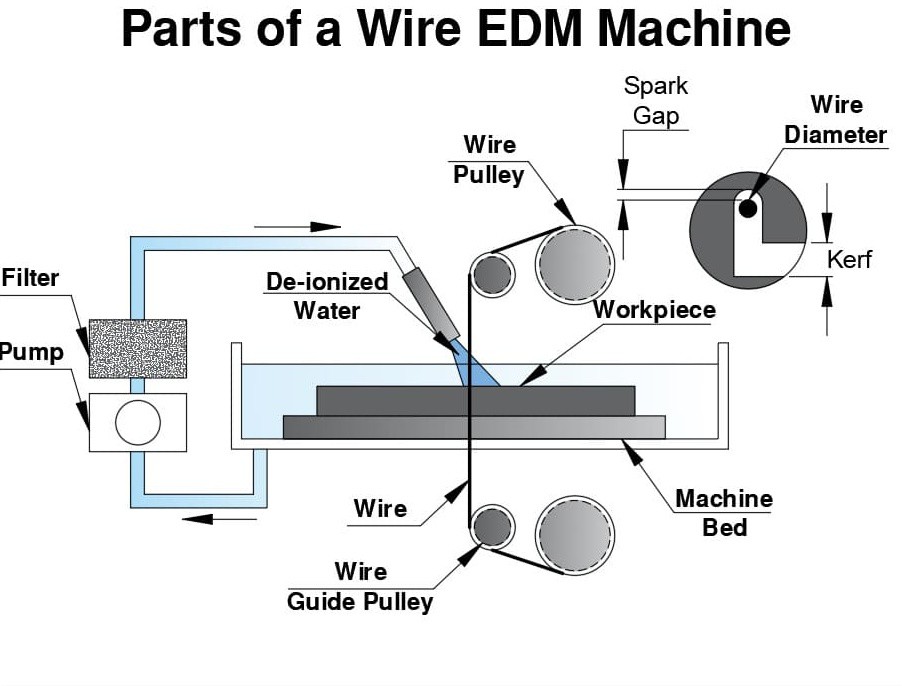
Wire EDM is a cutting process that utilizes electrical sparks to cut materials. It involves threading a thin and conductive metal wire through the workpiece and using controlled electrical currents to generate electrical sparks between the workpiece and the wire, resulting in material removal. Wire EDM is suitable for high-hardness and conductive materials such as metal alloys. It can achieve high precision and fine cutting with good surface quality, although the cutting speed is relatively slow.
Laser cutting is a process that utilizes a high-energy laser beam to cut materials into desired shapes. Laser cutting can be applied to various materials, including metals, plastics, wood, and more. Laser cutting offers high speed, high precision, and non-contact cutting. The laser beam can be adjusted in focus and power to accommodate different types of cutting, making it suitable for different material types and thickness requirements.
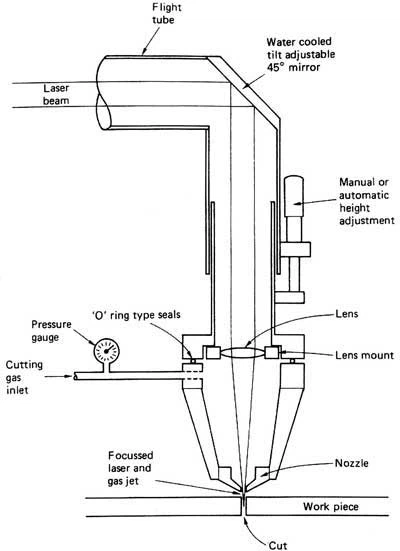

Laser cutting is typically one of the most suitable methods for cutting foil materials (thin sheets). Here are some advantages of laser cutting for cutting foil materials:
- High precision: Laser cutting offers exceptional precision, allowing for small cutting widths and complex shapes. For foil materials, precise cutting is crucial in maintaining consistent geometric shapes and dimensions.
- Minimal heat affected zone: Laser cutting is a non-contact cutting process that applies minimal heat to the workpiece. This minimizes the size of the heat affected zone, reducing the risk of material deformation and discoloration.
- Flexibility: Laser cutting can be adjusted to accommodate different thicknesses and types of foil materials. Laser cutting parameters can be optimized based on the material's characteristics to achieve the best cutting results.
- No tooling changes: Unlike traditional cutting methods, laser cutting does not require the use of tools, eliminating the costs and time associated with tooling changes. This is particularly important for mass production and frequent switching of cutting tasks.
- Automation and efficiency: Laser cutting can be integrated with automation systems to achieve high production efficiency. Through programmed control, the cutting process can be automated, improving production speed and consistency.