
Wastewater generated during the production of dairy products and yogurt typically contains organic and inorganic pollutants such as lactose, whey proteins, fats, lactic acid, and other soluble solids. Achieving the filtration of such wastewater to potable water standards requires a comprehensive water treatment approach. Here are some commonly used treatment steps and techniques:
Preliminary
Treatment
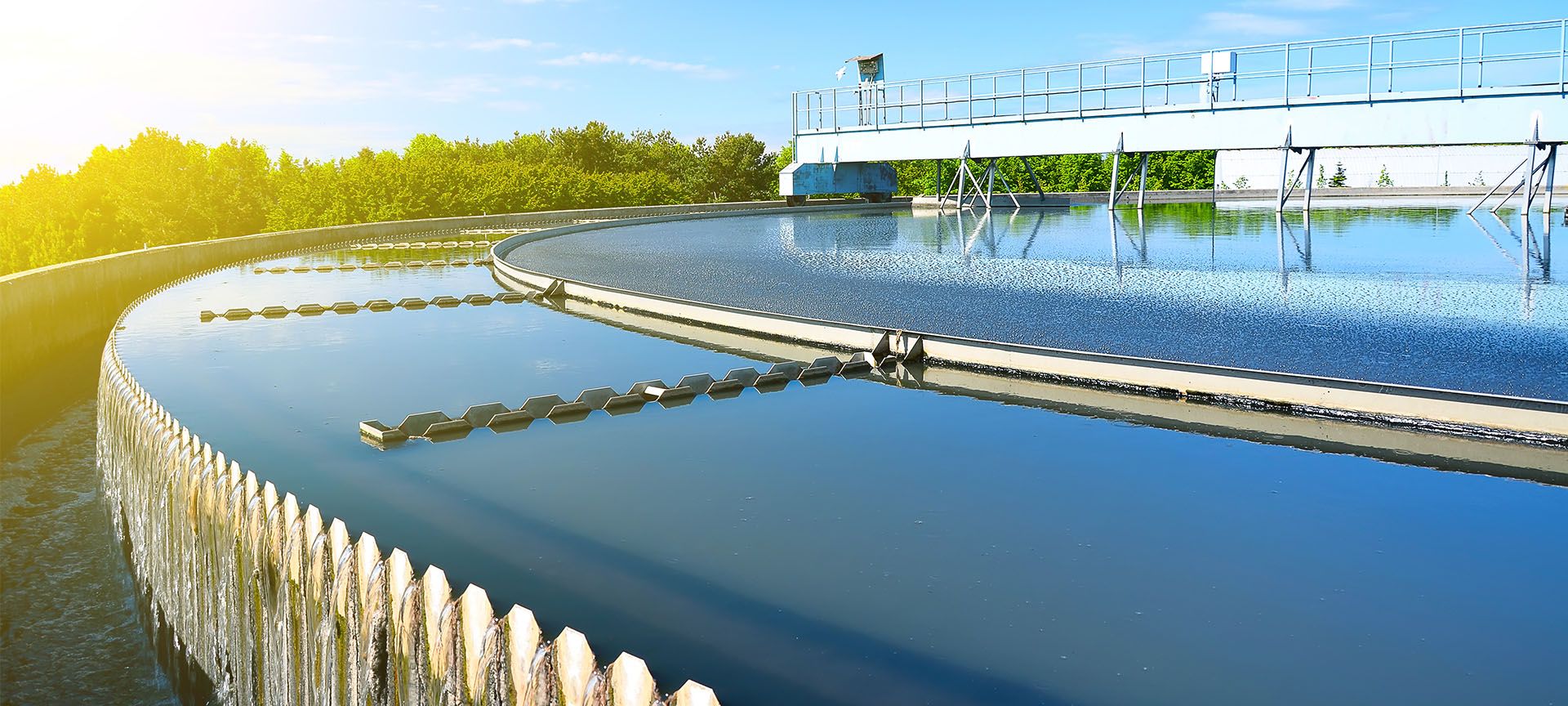
Physically removing large particles, suspended solids, and solid waste from the wastewater through sedimentation, screening, or bar screens.
Biological
Treatment
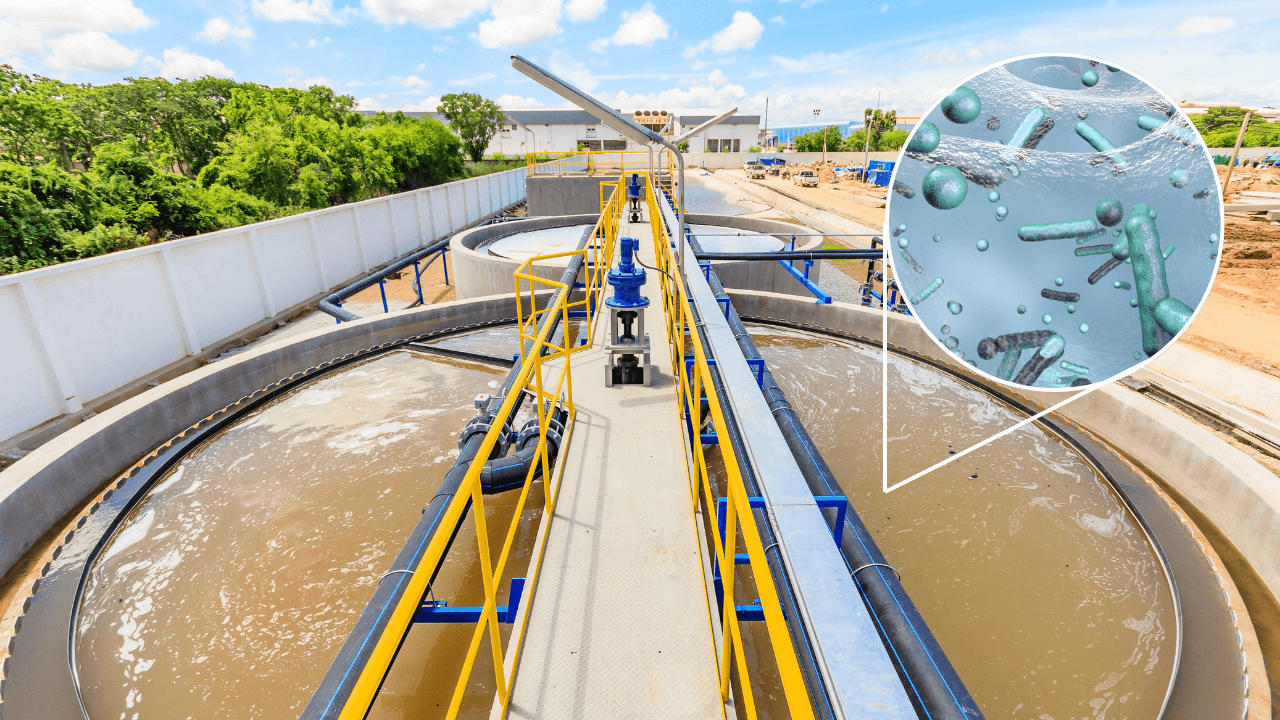
Utilizing biological treatment systems such as activated sludge, biofilm reactors, or floating bed systems to biodegrade organic matter in the wastewater. Through the action of microorganisms, these biological treatment systems convert organic compounds into carbon dioxide, water, and biomass.
Advanced
Oxidation
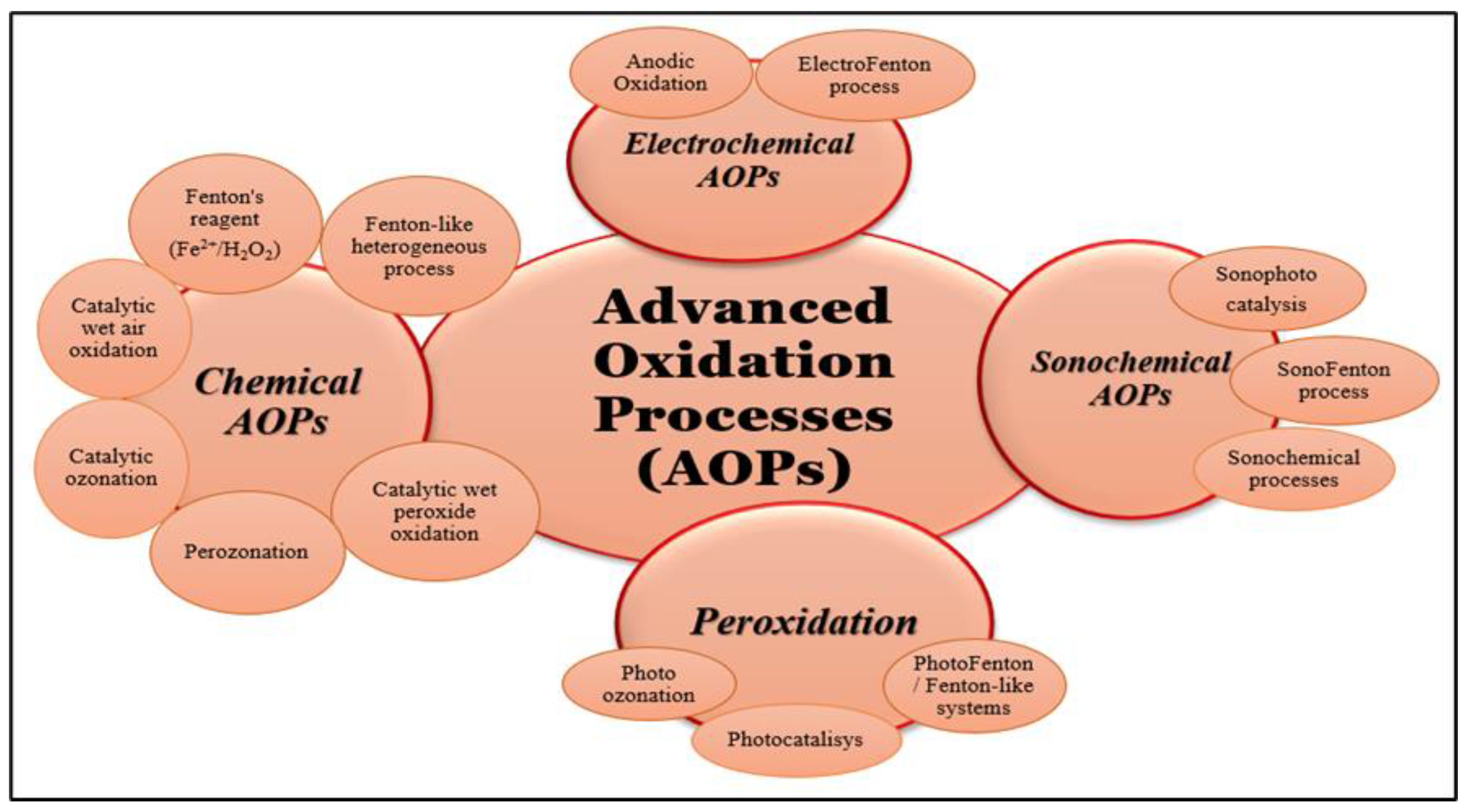
Implementing advanced oxidation technologies such as ozone oxidation, ultraviolet (UV) light oxidation, or advanced oxidation processes (e.g., Fenton reaction) to further degrade recalcitrant organic compounds and chemicals in the wastewater.
Activated
Carbon
Adsorption
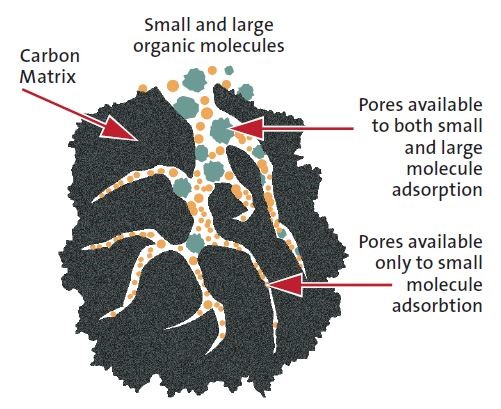
Removing organic compounds, odors, and pigments from the wastewater by passing it through activated carbon beds or incorporating activated carbon particles.
Membrane
Treatment
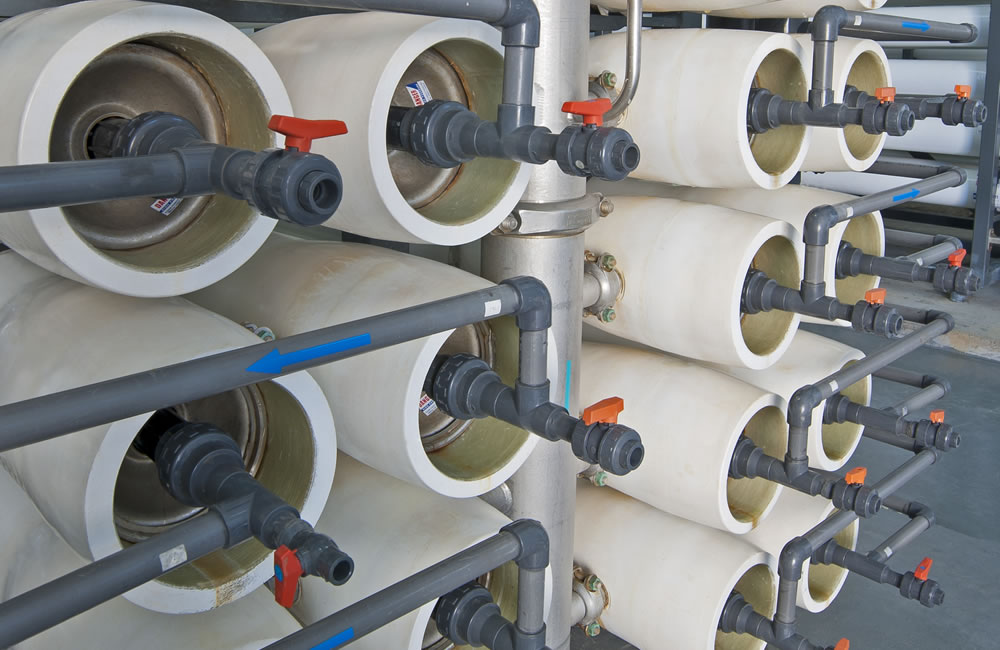
Employing membrane technologies such as reverse osmosis (RO) and ultrafiltration (UF) for the removal of dissolved solids, ions, and microorganisms from the wastewater. These membrane filtration techniques can provide highly purified water quality.
Disinfection
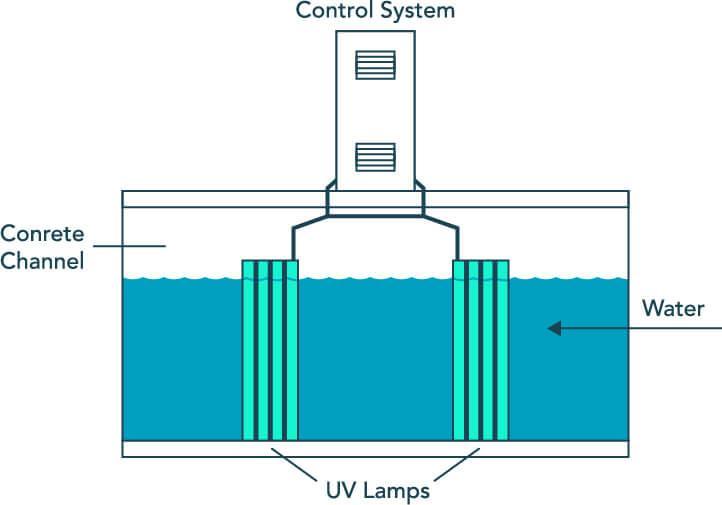
Finally, subjecting the treated water to disinfection to ensure microbial safety. Common disinfection methods include ultraviolet (UV) radiation, ozone treatment, chlorination, or other chemical disinfection methods.
Sintered Titanium and Stainless Steel Filter Cartridges
Sintered titanium and stainless steel filter cartridges are commonly used filter types that can serve as a pre-treatment or solid-liquid separation component in the overall treatment process, aiming to remove suspended solids and solid particles from wastewater:


- Primary Filtration:
As a pre-filter within the treatment process, these filter cartridges effectively remove larger particles and suspended solids from the wastewater, protecting the proper functioning of subsequent treatment equipment.
- Solid-Liquid Separation:
Used to separate solid particles from the liquid in the wastewater, facilitating solid-liquid separation. This process plays a crucial role in removing suspended solids, floating debris, and particulate matter.
- Pre-treatment:
By using sintered titanium or stainless steel filter cartridges, the solid load in the wastewater can be reduced before further treatment steps, enhancing the effectiveness and efficiency of subsequent processes.
Filtering dairy/whey wastewater to potable water standards requires a combination of treatment steps, including preliminary treatment, biological treatment, advanced oxidation, activated carbon adsorption, membrane treatment, and disinfection. Sintered titanium and stainless steel filter cartridges can be employed as part of the pre-treatment or solid-liquid separation stage, contributing to the removal of suspended solids and solid particles from the wastewater. By implementing a comprehensive treatment approach, it is possible to achieve the desired water quality suitable for drinking purposes.