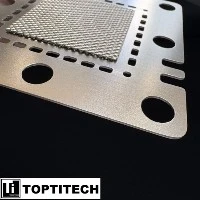

Titanium and titanium alloys are widely used in various industries, and while laser cutting has been a common method, its heat generation can lead to oxidation and thermal deformation. To overcome these limitations, titanium manufacturers are turning to waterjet cutting technology as a more efficient and low-temperature processing method.
Overview of Waterjet Cutting Technology
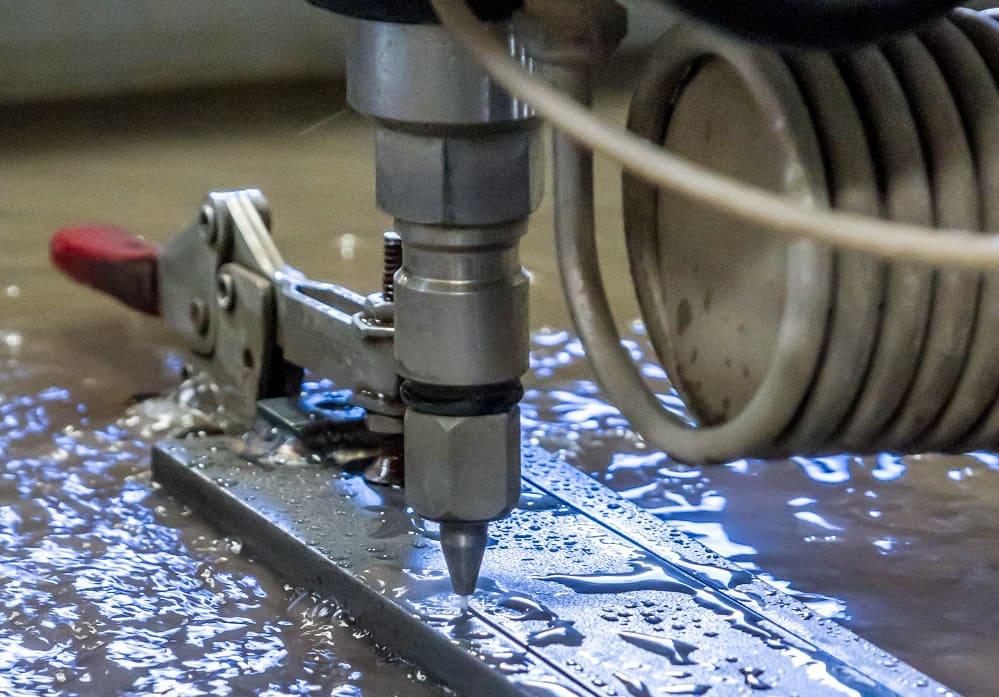
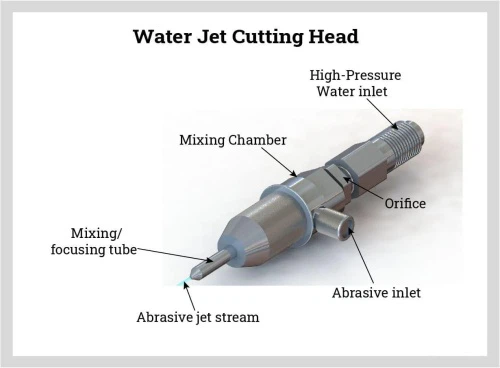
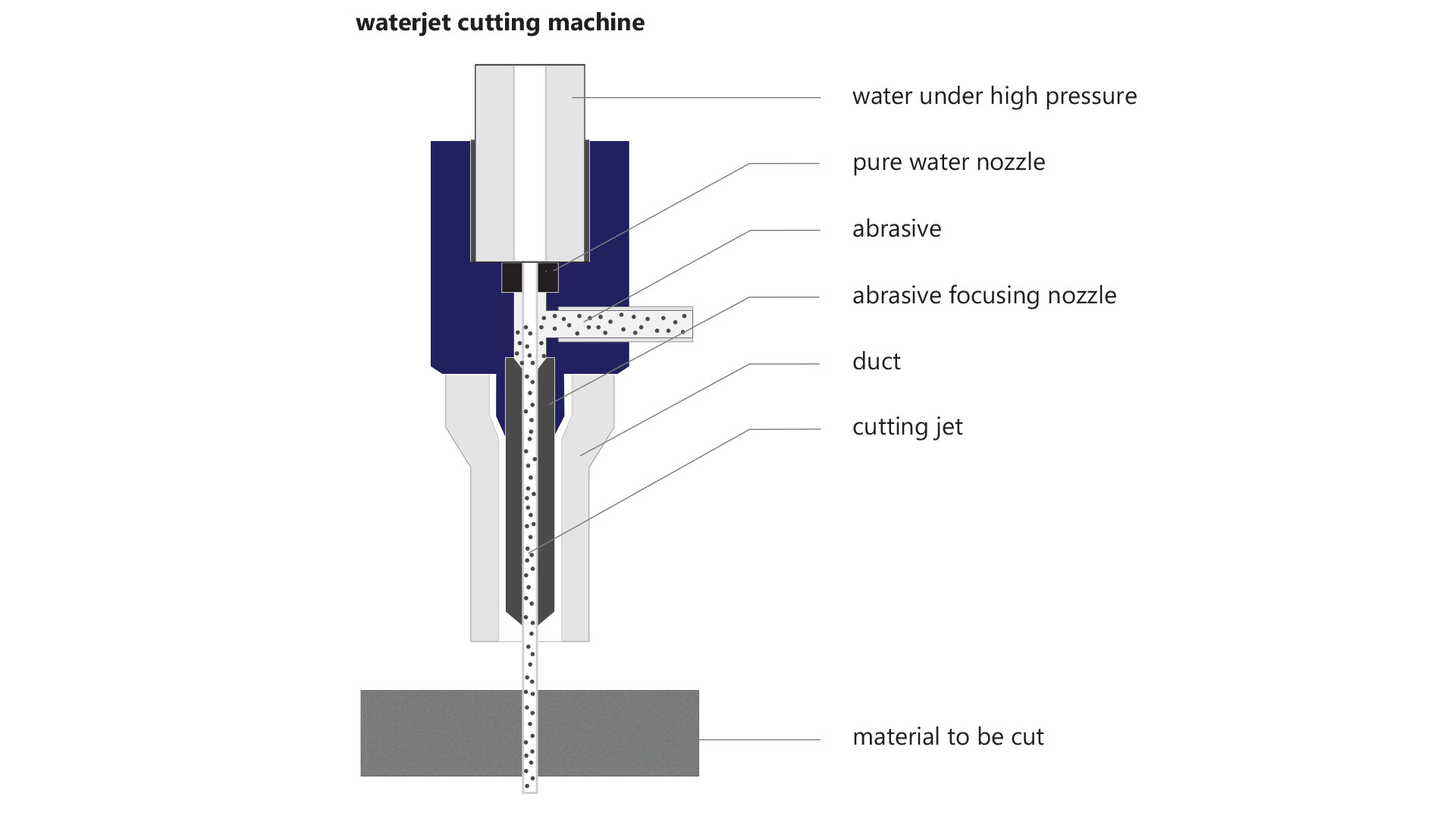
Waterjet cutting involves pressurizing tap water to high pressures of 250-400 MPa using ultra-high-pressure technology. The water is then propelled through a jewel nozzle with an inner diameter of approximately 0.10-0.35 mm, creating a high-velocity jet stream with speeds ranging from 800-1000 m/s. This high-speed jet stream is commonly known as a "water jet." Due to its high-energy characteristics, waterjets is widely used for cutting soft and ductile materials.
During the waterjet cutting process of titanium materials, a certain amount of abrasive material, such as quartz sand or garnet, is usually added to enhance cutting capability. The typical process involves piercing the titanium material, followed by traversing the waterjet at a specific speed and finally collecting and eliminating the abrasive and water streams generated during cutting.
Advantages and Disadvantages of Waterjet Cutting Technology
Advantages
Low-temperature processing: Waterjet cutting is a cold processing method where the workpiece remains at a low temperature, eliminating the risk of thermal deformation during cutting.
Wide applicability: Waterjet cutting is not limited to titanium and its alloys but can also be used for cutting various other materials.
Disadvantages
Nozzle erosion: Due to the use of high-pressure water streams, the jewel nozzle in waterjet equipment experiences rapid erosion and requires periodic replacement.
Residual taper and kerf: Waterjet cutting of thick titanium plates (e.g., above 10 mm) may result in residual taper or a wider kerf.