

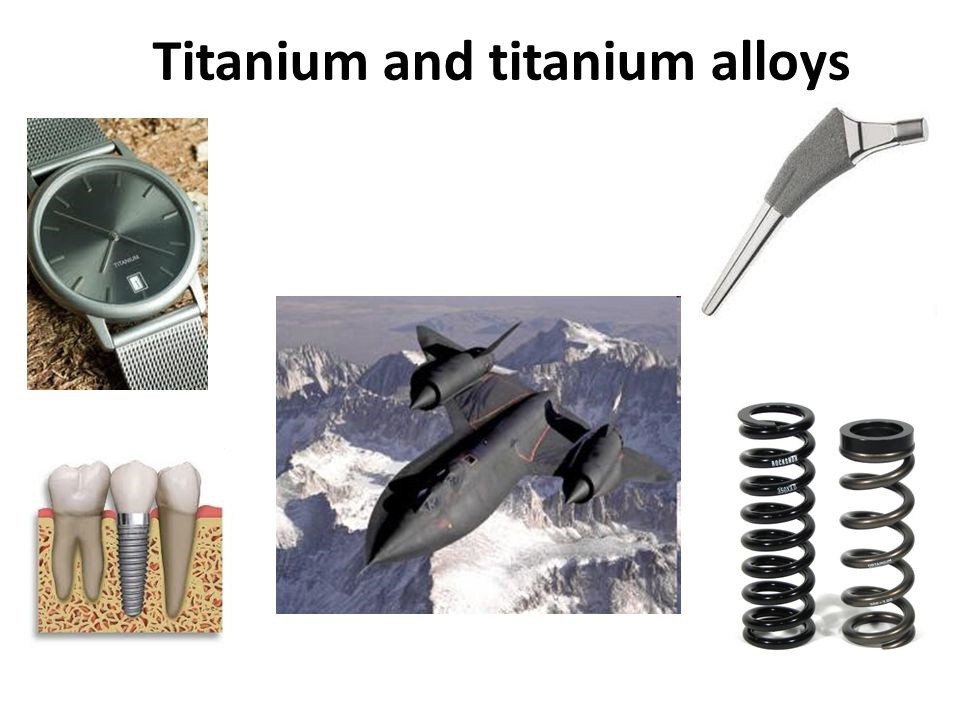
Titanium alloys, as innovative materials and carrier substances, have demonstrated extensive potential in the field of healthcare. With remarkable corrosion resistance, high strength, low elastic modulus, fatigue resistance, and excellent biocompatibility, titanium alloys have become an ideal choice for limb implants, alternative functional materials, dentistry, and medical devices. This article explores the wide-ranging applications of titanium alloys in the medical field, highlighting their exceptional properties and discussing the ongoing research and development efforts to address existing challenges.
Biocompatibility and Advantages
The application of titanium alloys in the medical field is primarily attributed to their unique biocompatibility, surpassing that of other metals. Nevertheless, there is room for improvement in terms of wear resistance and processability, which necessitates continuous research and development endeavors.
Growing Demand and Potential in the Medical Field
As the national economy flourishes, the demand for titanium alloys in the medical field continues to rise. Their excellent biological and mechanical properties make them highly promising for medical applications. However, compared to developed countries, China still faces certain gaps in the research, development, and application of titanium alloy materials, such as higher elastic modulus, poor surface activity, inadequate wear resistance, and corrosion resistance. To address these issues, China should intensify research efforts, prioritize innovation, and develop new titanium alloys with superior overall performance to meet the ever-growing demands in the healthcare sector.
Prominent Applications in Medical Devices
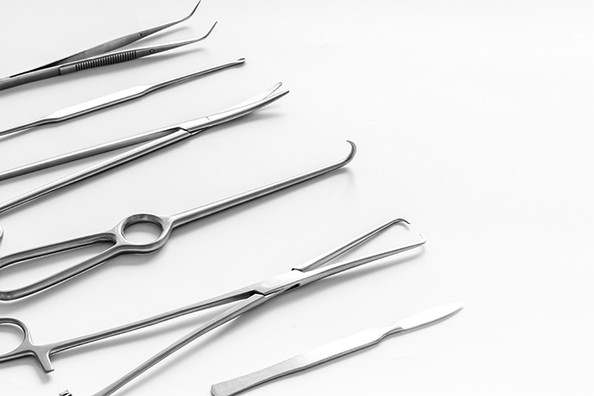
Titanium alloys have emerged prominently in the realm of medical devices. As a third-generation surgical instrument, medical devices made from titanium alloys possess characteristics such as lightweight, excellent corrosion resistance, non-toxicity, and appropriate elasticity, making them well-suited for delicate microsurgery. Furthermore, the low reflectivity of titanium alloys makes them ideal for operation under surgical lamps. The range of medical devices made from titanium alloys is vast and includes surgical knives, forceps, tweezers, thoracic expanders, suturing needles, and suturing threads. Titanium wires, for instance, used as surgical sutures, offer advantages such as minimal tissue reaction and excellent torsional resistance, effectively promoting wound healing.
Significant Applications in Artificial Joint Materials
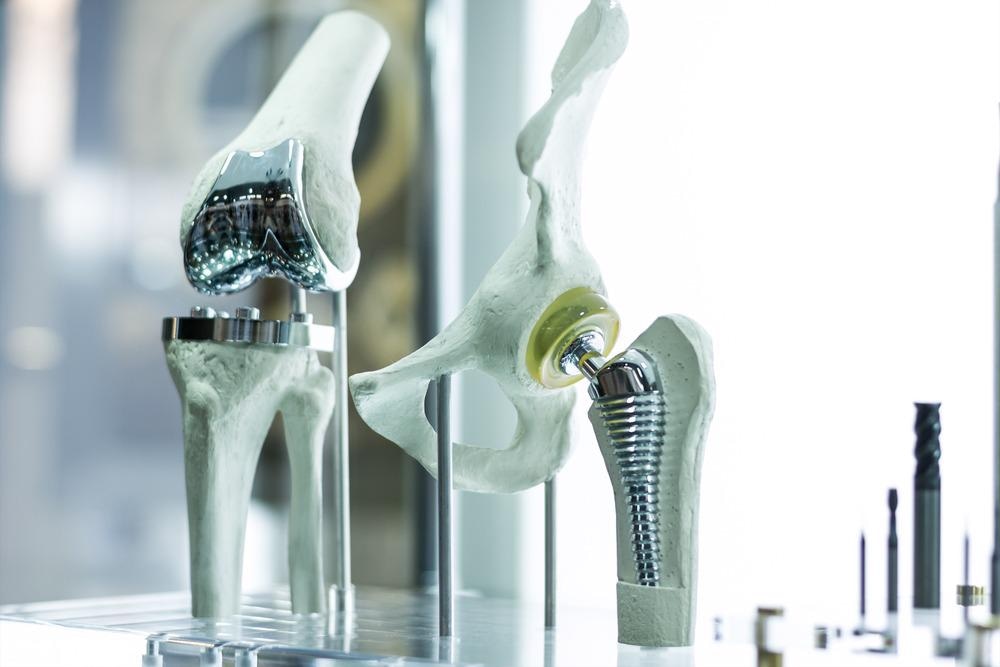
The application of titanium alloys in the field of artificial joints has garnered significant attention. Due to the closer elastic modulus to human bones, titanium alloys find extensive use in the correction of ankle and elbow joints. Porous titanium alloy materials possess bioactivity, promoting the growth of bone cells and facilitating the healing of femoral heads. The biocompatibility of titanium alloy surfaces also positions them as favored implant materials among clinical physicians and orthopedic experts.
With their exceptional properties and extensive potential, titanium alloys have emerged as frontrunners in future medical materials. Continuous advancements in relevant technologies and expanding applications will undoubtedly propel titanium alloys to play increasingly vital roles in the medical field. By prioritizing research and development, and addressing existing challenges, titanium alloys have the potential to revolutionize healthcare, benefiting patients worldwide.