
Introduction
Three Material Categories with Distinct Metallurgical Identities
In materials engineering and precision manufacturing, the terms "titanium steel," pure titanium, and titanium alloys represent fundamentally different material categories with distinct chemical compositions, mechanical properties, and application domains. "Titanium steel" is a commercial misnomer for 316L stainless steel (UNS S31603, Grade 022Cr17Ni12Mo2), containing chromium (16-18%), nickel (10-14%), and molybdenum (2-3%) but zero titanium content . This nomenclature persists in jewelry and consumer goods to differentiate 316L from lower-grade stainless steels, leveraging its corrosion resistance (0.025 mm/year in seawater) and cost-effectiveness at $3-5/kg .

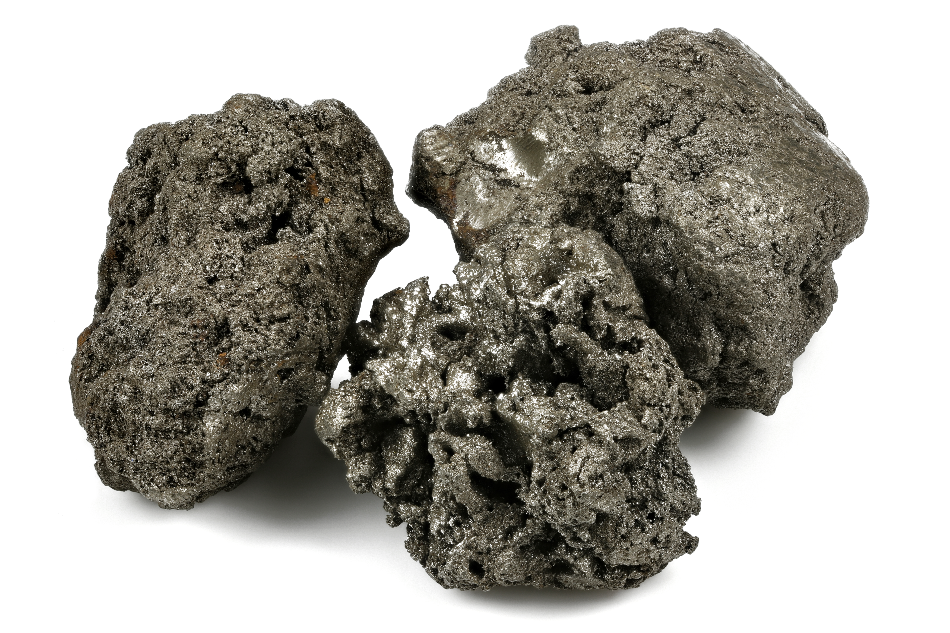
By contrast, authentic titanium materials-both pure titanium and titanium alloys-derive from titanium sponge (reduced from TiCl₄ via the Kroll process) and offer density of 4.51 g/cm³, approximately 44% lighter than 316L stainless steel (7.9 g/cm³) . Understanding these fundamental differences is essential for engineers and specifiers to optimize material selection based on performance requirements, regulatory compliance, and economic constraints.
"Titanium Steel" (316L Stainless Steel)
The term "titanium steel" carries no metallurgical validity but serves strategic marketing purposes in fashion jewelry and mass-market consumer products. 316L stainless steel exhibits excellent castability via lost-wax investment casting, enabling high-volume production at costs 80-90% lower than genuine titanium alternatives . Its corrosion resistance stems from chromium oxide passive layer formation, providing adequate protection against perspiration and atmospheric exposure. However, 316L remains susceptible to chloride stress corrosion cracking above 60°C, pitting in stagnant seawater, and nickel ion release (10-14% Ni content) that may trigger allergic reactions in sensitive individuals . The material's workability allows soldering, resizing, and repairs-capabilities impossible with titanium due to its high melting point (1668°C) and atmospheric reactivity . For applications requiring true biocompatibility, specific strength, or extreme corrosion resistance, 316L cannot substitute for titanium despite its commercial branding as "titanium steel."
Titanium Alloys: TC4 (Ti-6Al-4V) as the Industry Benchmark
Titanium alloys, particularly TC4 (Ti-6Al-4V, ASTM Grade 5), represent engineered materials achieving optimal strength-to-weight ratios through alloying additions of aluminum (5.5-6.75%) as α-stabilizer and vanadium (3.5-4.5%) as β-stabilizer . TC4 constitutes over 50% of global titanium production and 80% of aerospace applications, delivering tensile strength ≥895 MPa, yield strength ≥825 MPa, and density 4.43 g/cm³-a specific strength of 200-230 kN·m/kg, exceeding many alloy steels . The α+β duplex microstructure, achievable through controlled heat treatment (solution treatment at 920-950°C followed by aging at 500-600°C), enables property tailoring from 900-1200 MPa while maintaining fracture toughness ≥55 MPa√m .
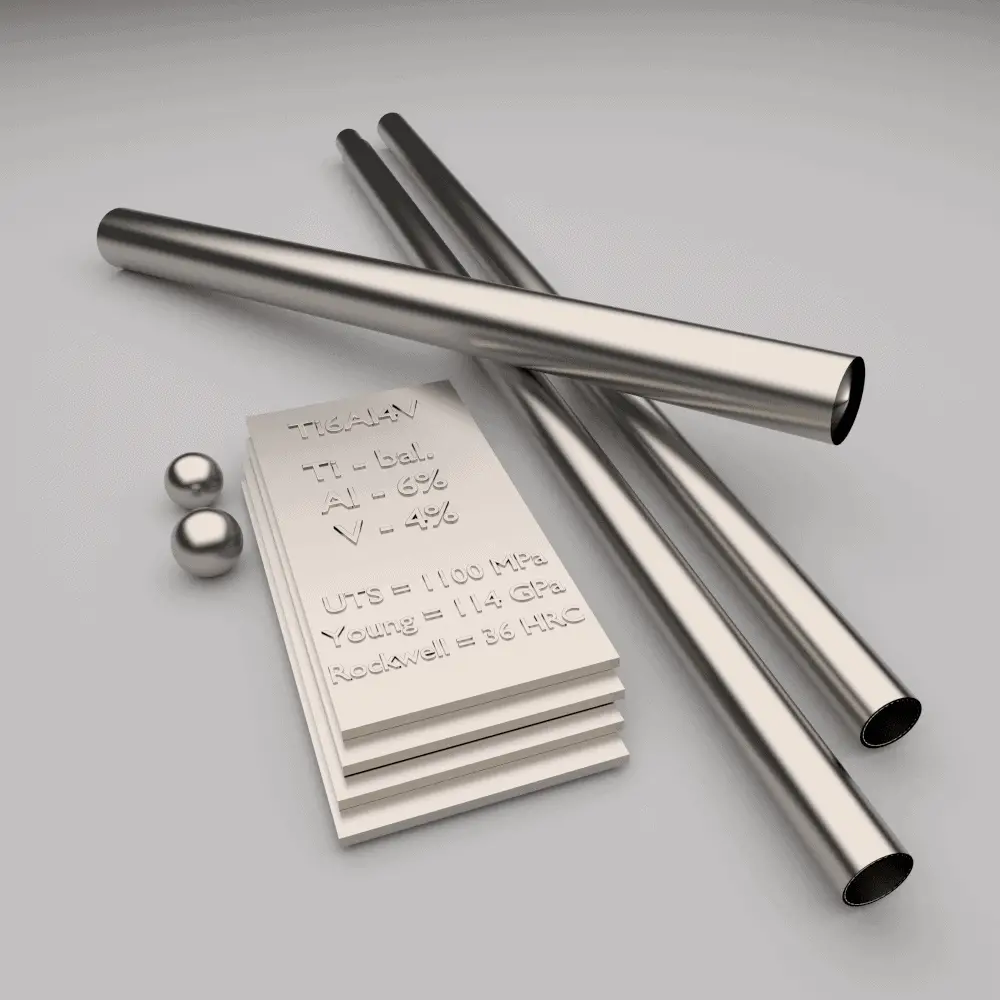
Manufacturing challenges include poor thermal conductivity (6.7-7.9 W/m·K) causing tool overheating during machining, work hardening tendency, and requirements for vacuum or inert atmosphere during welding and casting . TC4 ELI (Grade 23, Extra Low Interstitial) with oxygen ≤0.13% provides enhanced fracture toughness for medical implants and cryogenic applications . Advanced processing techniques including laser powder bed fusion (LPBF) additive manufacturing achieve material utilization 85-95% versus 10-20% for conventional machining, enabling complex geometries for aerospace brackets, medical implants, and automotive components .
Products DescripComparative Performance Analysis and Application-Specific Selectiontion
Material selection among these three categories requires systematic evaluation of mechanical requirements, environmental exposure, biocompatibility needs, and economic constraints. For aerospace and high-performance automotive applications, TC4 titanium alloy dominates due to its exceptional specific strength, fatigue resistance (500 MPa at 10⁷ cycles), and service temperature up to 400°C-enabling 30-40% weight reduction compared to steel components in aircraft landing gear (C919 achieves 30% weight reduction) and connecting rods . Marine and chemical processing applications favor pure titanium (Grade 2) for its superior corrosion resistance in seawater (<0.001 mm/year corrosion rate) and aggressive chloride environments, with service life exceeding 50 years in offshore platforms . The "Striver" deep-sea submersible pressure hull utilizes TC4 with yield strength ~1000 MPa, demonstrating titanium's capability for extreme pressure environments .

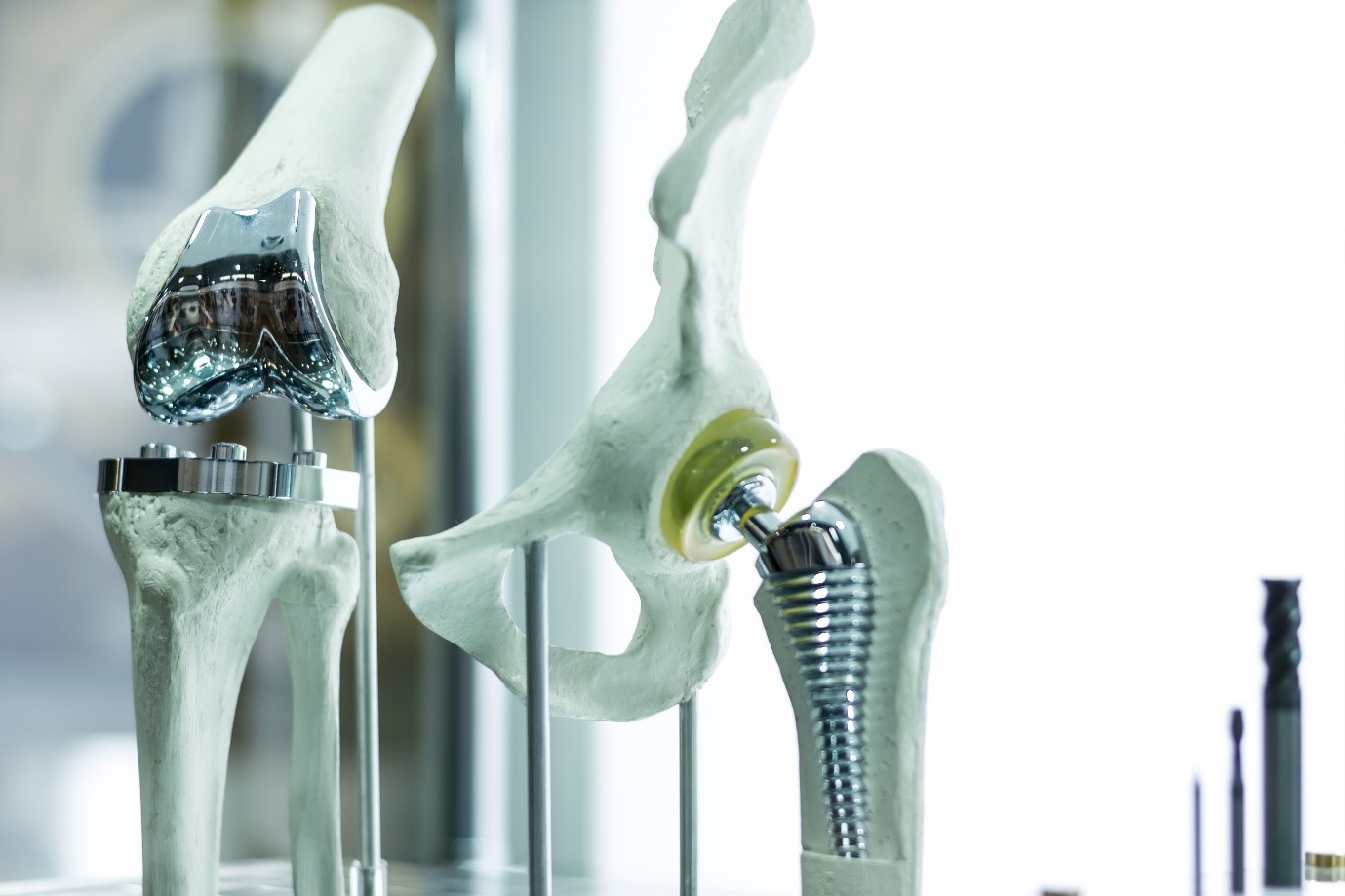

Medical applications bifurcate: pure titanium (Grade 1/2) for bone-contact implants requiring osseointegration, and TC4 ELI (Grade 23) for load-bearing orthopedic devices such as hip stems and spinal systems . Consumer products demand nuanced selection: Grade 1 pure titanium for deep-drawn cups and cookware requiring formability and zero hydrogen embrittlement; TC4 for watch cases and smartphone frames requiring scratch resistance and structural rigidity; 316L stainless steel ("titanium steel") for fashion jewelry prioritizing cost, design variety, and resizing capability .
Quality Standards and Regulatory Compliance Framework
Specification of titanium materials requires adherence to international standards ensuring traceability, chemical composition control, and mechanical property verification. Aerospace applications demand GJB 2744A (China), AMS 4928 (US), or ОСТ1 90050 (Russia) compliance, with triple VAR melting, ultrasonic inspection (Φ1.2 mm flat-bottom hole detectability), and strict impurity limits (Fe ≤0.30%, O ≤0.20%, H ≤0.015%) . Medical devices require ISO 5832-2 (pure titanium) or ISO 5832-3 (Ti-6Al-4V ELI) certification, with ELI grades specifying O ≤0.13%, microcleanliness ratings per ASTM E45, and biocompatibility testing per ISO 10993 series . Industrial applications reference ASTM B265 (sheet/strip), ASTM B348 (bars), and GB/T 3621 (Chinese standard) for dimensional tolerances and mechanical verification . Procurement professionals should verify material test reports (MTRs) documenting heat numbers, chemical analysis, and mechanical test results, while manufacturers must implement process controls for hydrogen content, heat treatment parameters, and surface contamination prevention .
Conclusion
Engineering Judgment Based on Quantitative Requirements
The distinction between "titanium steel," pure titanium, and titanium alloys transcends semantics-it represents fundamental metallurgical differences with profound engineering implications. For corrosion-resistant applications with cost sensitivity, 316L stainless steel serves adequately at 1/5 to 1/10 the cost of titanium, but cannot substitute where true titanium properties are required. Pure titanium (Grades 1-4) offers biocompatibility, formability, and corrosion resistance essential for medical implants, chemical processing, and deep-drawn consumer products. Titanium alloys, particularly TC4 (Ti-6Al-4V), deliver engineered performance through controlled microstructures, enabling weight-critical aerospace structures, load-bearing medical devices, and high-performance automotive components. Engineers and specifiers must apply structured decision-making based on quantitative requirements: strength-to-weight ratio, corrosion rate specifications, biocompatibility certification, formability demands, and total lifecycle cost analysis. As additive manufacturing, powder metallurgy, and advanced heat treatment technologies evolve, titanium's application spectrum will continue expanding, but the fundamental selection principles-matching material properties to application requirements-remain unchanged.