
Titanium alloy welding is a highly specialized process that demands precision, technical expertise, and strict adherence to protocols.
1. Select the Right Welding Method
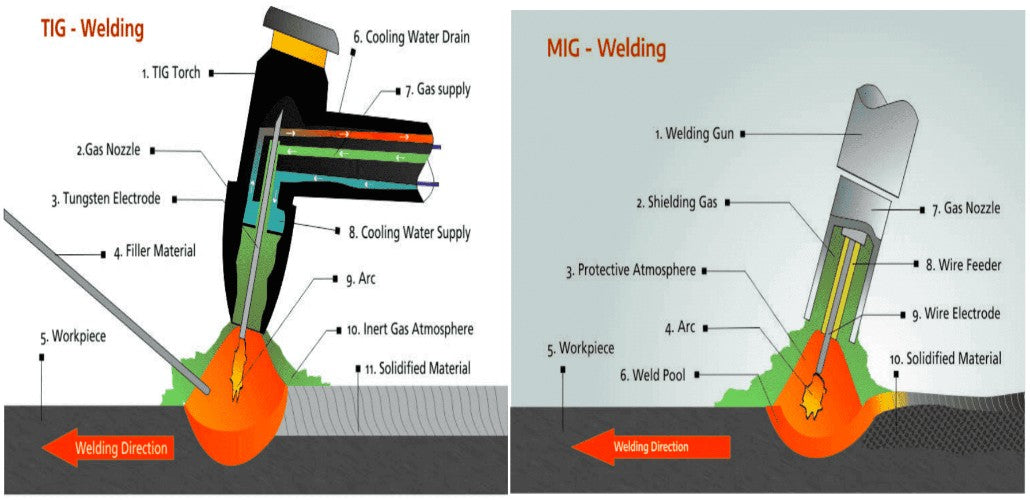
Choosing the appropriate welding technique is the foundation of successful titanium alloy welding. For thin sheets under 3mm, Tungsten Inert Gas (TIG) welding is the preferred method due to its precise heat control and ability to produce clean, high-quality welds. For thicker plates exceeding 3mm, Metal Inert Gas (MIG) welding is more suitable, offering higher deposition rates and efficient melting capabilities. In specialized applications, advanced methods like submerged arc welding (SAW) or electron beam welding (EBW) can be employed, though they require sophisticated equipment and expertise. The selection should always align with the material thickness, application requirements, and desired weld properties.
2. Conduct Thorough Pre-Welding Preparation
Proper preparation is critical to prevent contamination and ensure weld integrity. Begin with mechanical cleaning using fine-grit abrasives, stainless steel wire brushes, or carbide scrapers to remove oxide layers and surface impurities. Follow this with chemical cleaning using acid solutions such as an HF + HNO3 mixture to eliminate any remaining contaminants, then rinse and dry the surface thoroughly. On the equipment side, use a DC TIG welding machine with high-frequency arc ignition and stable output characteristics. Ensure the argon shielding gas has a purity of at least 99.99% and maintain its flow until the weld cools below 250°C to prevent oxidation. Select filler wires that match the base metal composition or opt for lower-strength alloys to improve weld ductility.
3. Execute the Welding Process with Precision
The welding phase requires meticulous control over parameters and environmental conditions. Use trailing shields or purge chambers to protect the weld pool and heat-affected zone (HAZ) from atmospheric contamination, ensuring the temperature remains below 250°C. Maintain a low angle between the filler wire and workpiece, feeding the wire smoothly into the molten pool without excessive lateral movement to achieve uniform weld beads. After completing the weld, continue the argon shielding until the weld and HAZ cool to room temperature to prevent oxidation. This step is crucial for maintaining the mechanical properties and corrosion resistance of the titanium alloy.
4. Perform Rigorous Post-Weld Inspection
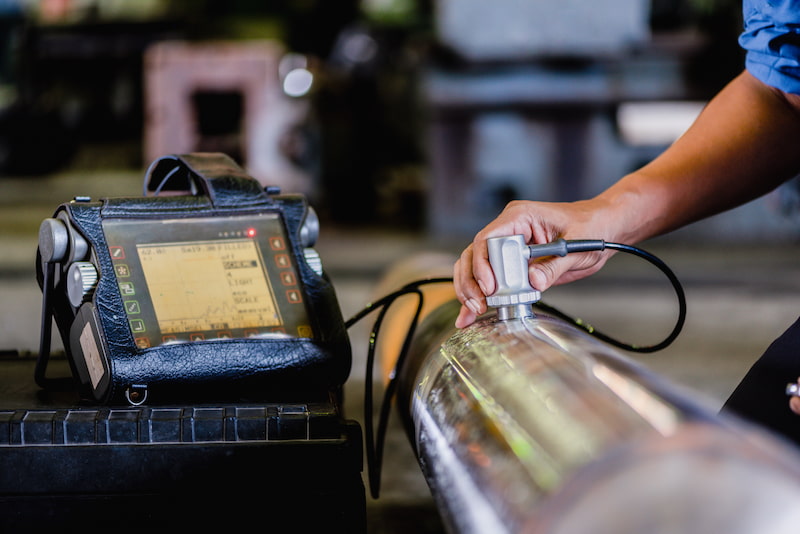
Post-weld inspection is essential to verify the quality and integrity of the weld. Start by analyzing the weld color: a silver or light yellow hue indicates proper shielding and minimal contamination, while dark yellow or light purple may be acceptable depending on application standards. Dark blue or gray colors signify excessive oxidation, necessitating rework or repair. Additionally, employ non-destructive testing (NDT) methods such as ultrasonic testing (UT) or radiography to detect internal flaws that are not visible to the naked eye. These inspections ensure the weld meets the required specifications and performance criteria.
5. Adhere to Critical Best Practices
To achieve consistent and high-quality welds, follow these key guidelines. Optimize welding parameters such as current, voltage, and travel speed to maintain stable arc characteristics and minimize heat input, which can affect the material's microstructure. Maintain a clean welding environment free from dust, moisture, and other contaminants that could compromise weld quality. Ensure that welding operators are thoroughly trained in titanium's unique metallurgical properties and welding behavior, as even minor deviations can lead to defects. By adhering to these best practices, you can produce reliable and durable titanium alloy welds for demanding applications.
Perfect titanium alloy welding is achievable through a combination of advanced techniques, meticulous preparation, and strict quality control. By selecting the right welding method, preparing thoroughly, executing with precision, inspecting rigorously, and adhering to best practices, you can produce high-integrity welds suitable for aerospace, medical, and industrial applications. For further guidance, consult industry experts or refer to specialized technical resources to stay updated on the latest advancements in titanium welding technology.