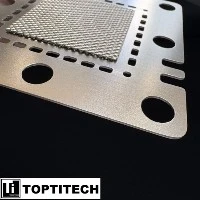

The hot rolling process for titanium plates represents a critical manufacturing technology for producing high-performance materials in aerospace, medical, and marine applications. This metallurgical processing method transforms cast titanium ingots into precisely engineered plates through controlled thermomechanical working above the recrystallization temperature.The hot rolling process for titanium plates represents a critical manufacturing technology for producing high-performance materials in aerospace, medical, and marine applications. This metallurgical processing method transforms cast titanium ingots into precisely engineered plates through controlled thermomechanical working above the recrystallization temperature.
Titanium slab preparation begins with massive 6-10 ton ingots undergoing precision forging and surface conditioning. The subsequent hot rolling sequence involves four integrated operations: reheating, roughing, finishing, and controlled cooling. Induction or gas-fired furnaces uniformly heat slabs to optimal working temperatures while preventing excessive oxidation. Roughing mills employ reversible two-high or four-high configurations to achieve intermediate gauges, incorporating width control through edger stands when necessary.

Finishing trains consisting of tandem four-high mills apply progressive reduction with closed-loop shape control systems. Advanced automation maintains dimensional tolerances while dynamic recrystallization refines the grain structure. Post-rolling cooling utilizes laminar flow systems that tailor cooling rates to specific alloy requirements, optimizing mechanical properties through controlled phase transformation. The inherent oxide layer on titanium plates acts as a natural parting agent, eliminating the need for additional release coatings in subsequent processing.
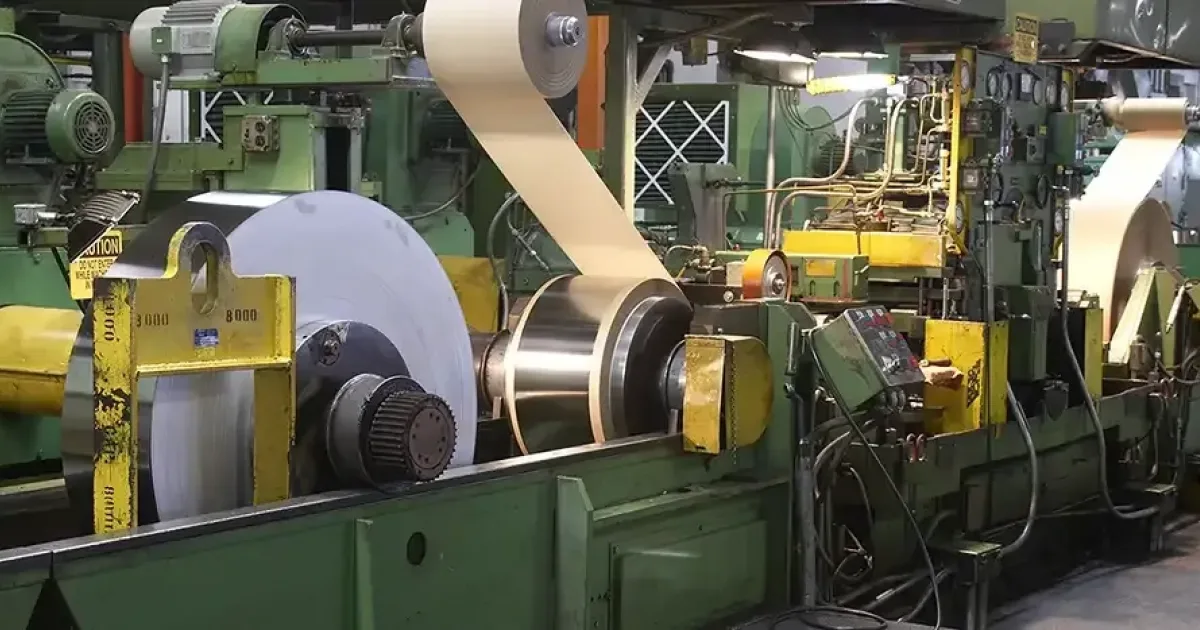
Modern hot rolling delivers significant metallurgical advantages including energy efficiency from reduced deformation resistance and enhanced productivity through high-volume processing. The thermomechanical treatment converts cast structures into wrought microstructures with improved ductility and fatigue resistance. Anisotropic properties resulting from directional working must be considered during component design to maximize performance. Current technological advancements have achieved remarkable precision in rolling force control and flatness tolerances, though continued innovation remains essential to meet evolving demands for high-strength titanium alloys in critical applications.