

The evolution of titanium smelting technology has been a remarkable journey marked by significant milestones in metallurgy.
Titanium, a vital metallic element, initially discovered but underutilized, witnessed a breakthrough in 1910 when American chemist Hunter successfully produced 99.9% pure titanium metal using a sodium reduction method. This method, known as the "Hunter process," although limited in yield, set the stage for further advancements.
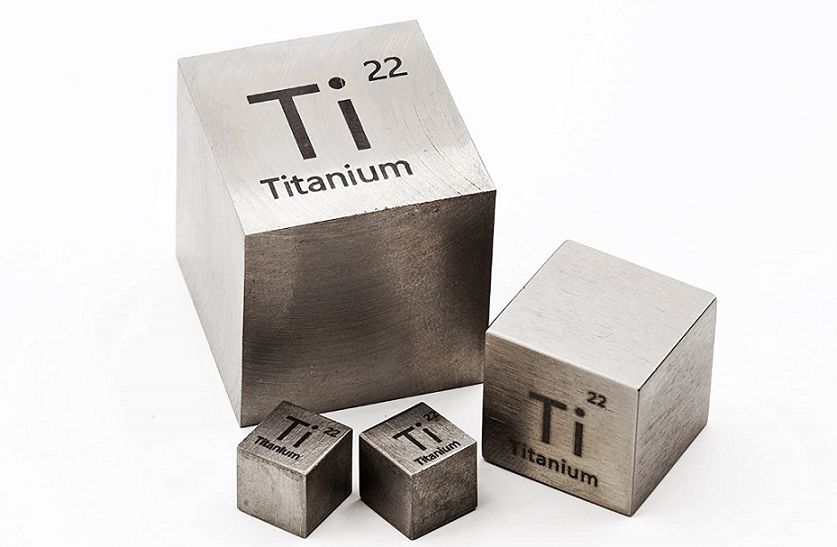
In 1932, American scientist Kroll achieved a pivotal breakthrough by employing cost-effective calcium to reduce titanium tetrachloride at high temperatures, paving the way for commercial titanium production. Subsequently, Kroll refined the process by substituting calcium with magnesium, a modification now known as the "Kroll process," which remains integral to modern titanium production.
A groundbreaking moment arrived in 1948 when the U.S.-based DuPont Company introduced the magnesium reduction-vacuum distillation method for mass-producing titanium, heralding the onset of industrial titanium production. This process involves converting titanium dioxide to titanium tetrachloride through chemical reactions, reducing the tetrachloride with metallic magnesium to obtain sponge titanium, and finally purifying the sponge titanium through vacuum distillation to yield pure titanium.
The energy-intensive nature of titanium production, necessitating high-temperature operations, contributes significantly to the metal's premium pricing. Presently, the magnesium reduction-vacuum distillation method, known for its superior quality and operational safety, is widely adopted globally for sponge titanium production. The journey from titanium's discovery to the production of pure titanium spanned over a century, and today, titanium finds applications across diverse industries due to its exceptional properties and performance characteristics.