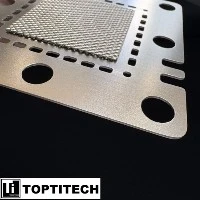

In the rapidly evolving landscape of hydrogen energy technology, zero-gap electrolyzers have emerged as a focal point due to their compact design and high efficiency. Nickel felt, a critical material, plays a pivotal role in these electrolyzers, particularly in optimizing two-phase flow (gas and liquid). This article delves into how nickel felt facilitates efficient two-phase flow in zero-gap electrolyzers, thereby enhancing hydrogen production performance.


Nickel Felt: The Core Material of Zero-Gap Electrolyzers
Nickel felt is a porous material from nickel fibers, characterized by high porosity and excellent mechanical strength. In zero-gap electrolyzers, it serves as the core component of the porous gas diffusion electrode (GDE), directly interfacing with electrolytes and gases. Its unique structural design enables efficient transmission of gases and liquids within the electrode while maintaining its stability and durability.
Physical Properties of Nickel Felt
High Porosity: Nickel felt typically exhibits a porosity exceeding 70%, allowing gases and liquids to pass through freely, reducing flow resistance.
Uniform Pore Structure: The even distribution of pores in nickel felt prevents local clogging, ensuring stable two-phase flow.
Mechanical Strength: Nickel felt can withstand mechanical stresses during electrolyzer operation, preventing deformation or fracture.
These attributes make nickel felt a suitable choice for zero-gap electrolyzers, especially in applications requiring efficient gas diffusion and liquid transmission.
Challenges of Two-Phase Flow in Zero-Gap Electrolyzers
The design of zero-gap electrolyzers eliminates the traditional inter-electrode gap, necessitating direct contact and separation of gases and liquids within the electrode. This design introduces several challenges:
Competitive Flow of Gases and Liquids: During electrolysis, oxygen and hydrogen are generated at the electrode surface while electrolyte solution must be continuously supplied. Imbalanced flow can lead to gas entrapment or liquid drying, reducing electrolysis efficiency.
Mass Transfer Resistance: Under zero-gap conditions, gases and liquids must traverse the porous electrode, and any mass transfer resistance increases energy consumption and diminishes hydrogen production.
Thermal Management: The electrolysis process generates heat, which can accumulate in the zero-gap design, potentially causing localized overheating and compromising material lifespan and system stability.
Nickel felt addresses these challenges effectively through its unique structure, enabling efficient two-phase flow.