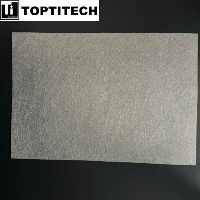


Titanium alloy sheets are widely used in various industries such as aerospace, medical devices, and automotive manufacturing due to their lightweight and high-strength properties. To ensure excellent mechanical performance and surface quality of the final product, the production of titanium alloy sheets involves a series of intricate processes. This article provides a comprehensive guide to the production process of titanium alloy sheets, highlighting the key steps involved in achieving superior quality and performance.

Raw Material Preparation
The foundation of producing titanium alloy sheets lies in meticulous raw material preparation. Selecting high-quality raw materials is crucial to ensure desired sheet properties. Chemical composition and impurity levels must be strictly controlled to ensure the stability of the melted titanium alloy's structure and performance. Additionally, the shape and size of the raw material should meet the requirements of subsequent processing and melting.
Melting Process
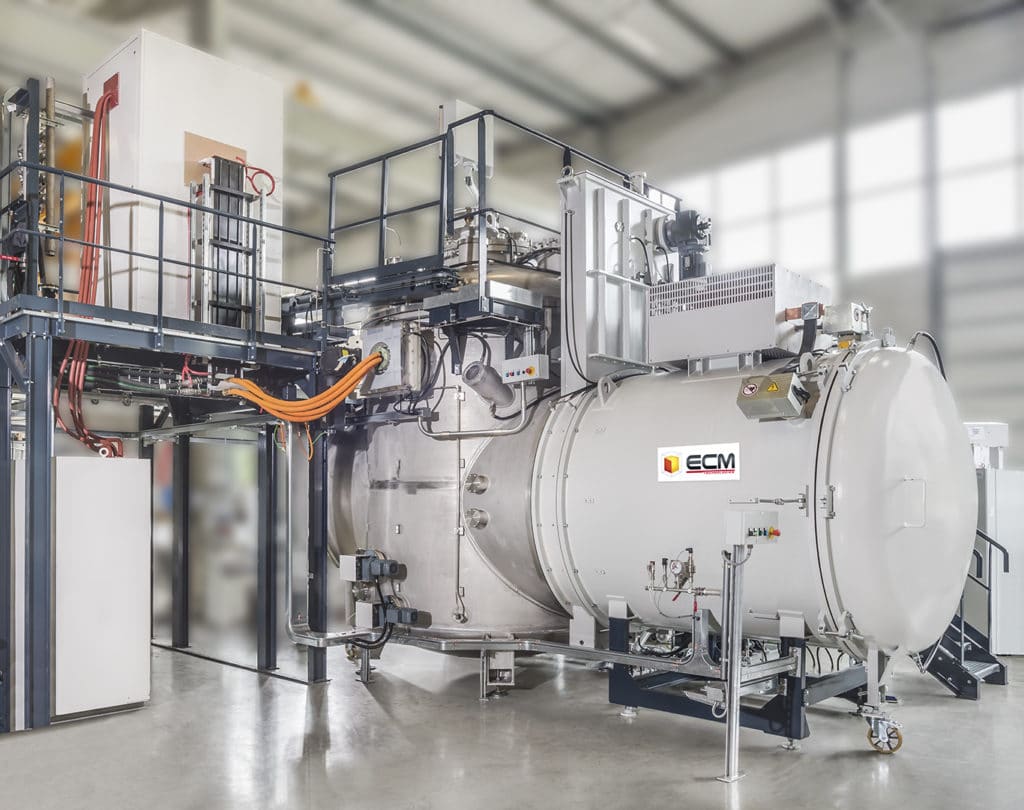
Melting titanium alloys requires a controlled environment under vacuum or inert gas protection to prevent oxidation and impurity contamination. Commonly used melting equipment includes vacuum induction melting furnaces or electron beam melting furnaces, which provide high temperatures and a high vacuum environment to ensure the purity and uniformity of the titanium alloy. Precise control of the melting temperature and time is essential to achieve the desired alloy composition and microstructure.
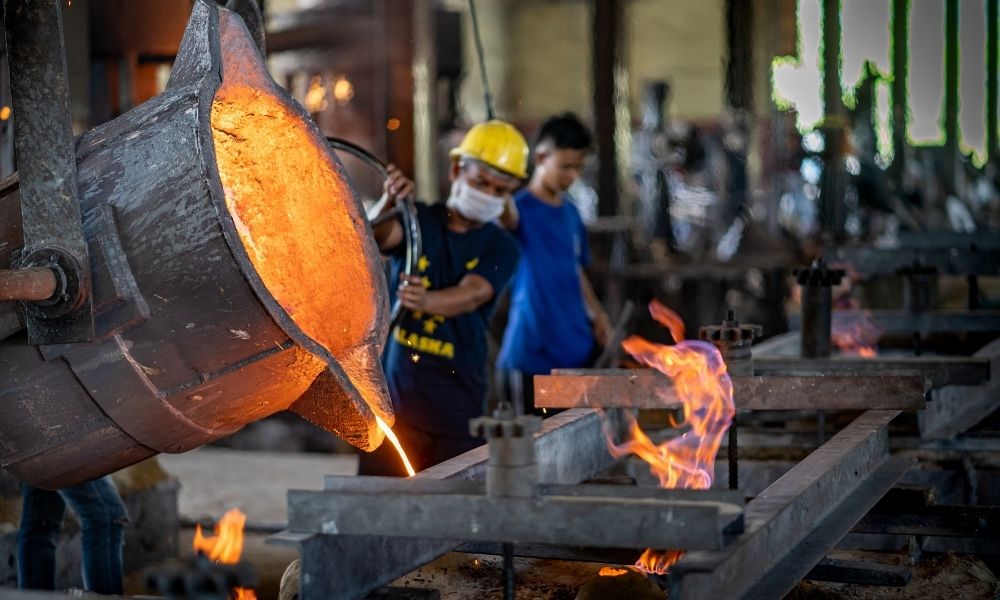
Casting Stage
During the casting process, suitable casting methods such as sand casting, metal casting, or continuous casting are chosen based on the shape and size of the product. Strict control of casting temperature and cooling rate is necessary to avoid defects such as cracks and shrinkage.
Rolling Process
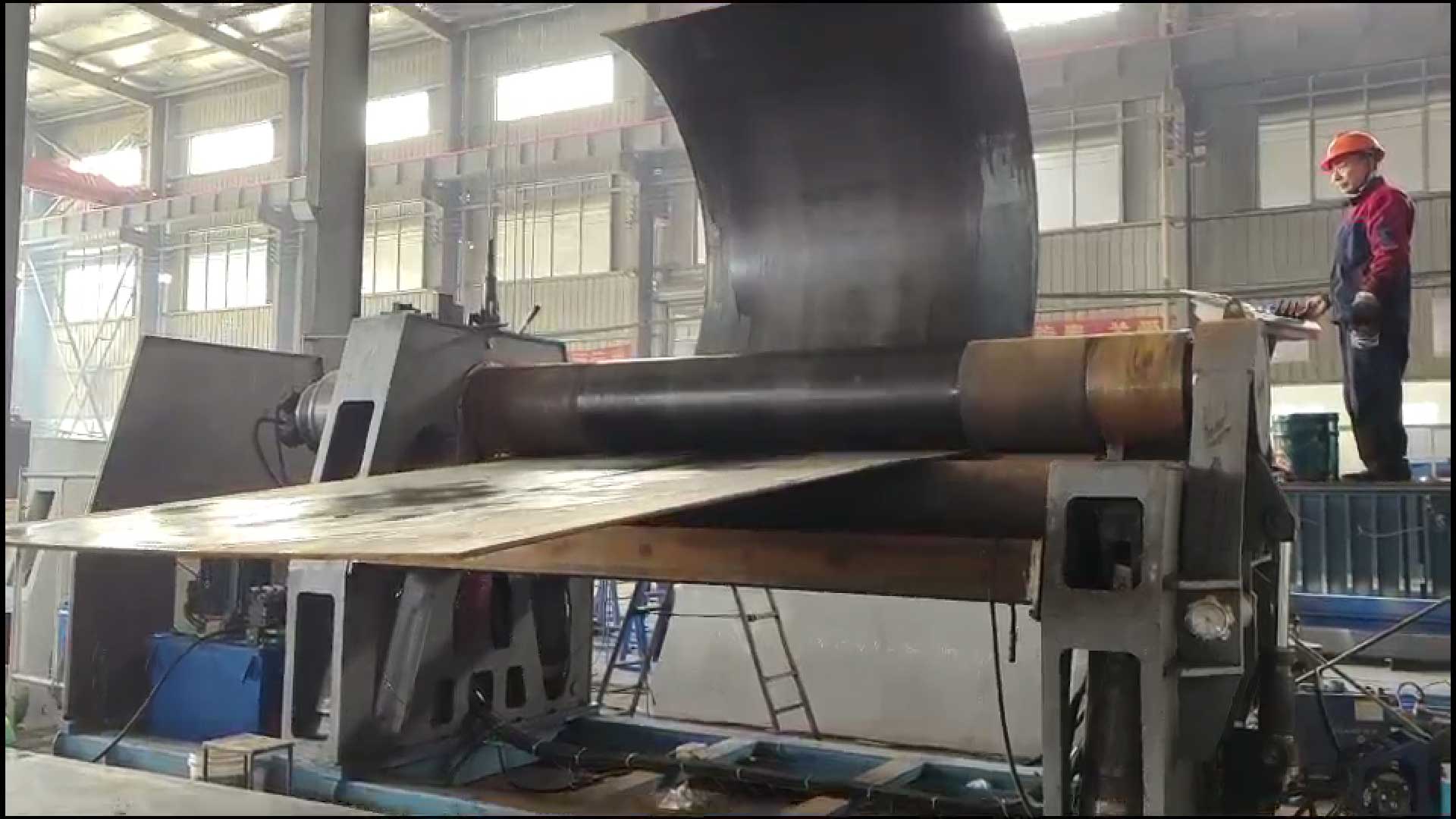
The rolling process is a crucial step in shaping titanium alloy sheets. Through multiple passes and intermediate annealing treatments, the titanium alloy sheets gradually achieve the desired thickness and dimensions. Strict control of rolling temperature and reduction amount ensures uniformity in the sheet's structure and properties.
Heat Treatment
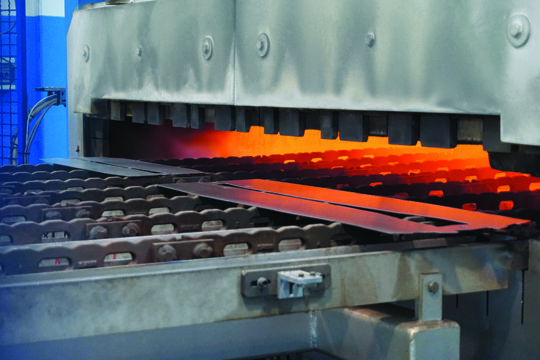
Heat treatment is an important step in enhancing the performance of titanium alloy sheets. Heat treatment processes such as annealing, quenching, and aging are employed to eliminate residual stresses, improve mechanical properties, and enhance corrosion resistance. Precise control of heating temperature, holding time, and cooling rate is crucial to achieve the optimal heat treatment effects.
Surface Treatment
Surface treatment plays a vital role in improving the appearance and functional performance of titanium alloy sheets. Common surface treatment methods include mechanical polishing, chemical treatments, and coating applications. These processes remove surface oxidation and contaminants, improving the sheet's smoothness and corrosion resistance. Additionally, coatings can be applied to enhance wear resistance and weatherability.

The production of titanium alloy sheets is a complex process involving multiple stages, from raw material preparation to melting, casting, rolling, heat treatment, and surface treatment. Each stage requires strict control of process parameters and adherence to operational standards to ensure the quality and performance of the final product.